


You're standing at a jewelry counter with two horse charms in your hand. One is a polished sterling-silver horse in mid-gallop. The other is an enamel-painted mare with a softer, more playful finish. Both are appealing, but the better choice depends on far more than which one catches your eye first.
With horse charms for bracelets, material, size, weight, bail opening, clasp design, motif meaning, and styling all affect the final result. A charm that looks beautiful on its own may feel too heavy on a delicate chain, clash with your existing metal tones, or look more costume-like than you intended. The guide below approaches the decision the way I would at an equestrian-shop counter, by matching the charm to your wrist, your habits, and the story you want it to tell.
Table of Contents
- Choosing the Right Horse Charm for Your Bracelet
- A Brief Heritage of Horse Motifs in Jewelry
- Sterling Silver and Plated Materials Compared
- Sizing, Weight, and Clasp Compatibility
- Styling Horse Charms Without Looking Costume-Like
- Horse Charm, Horseshoe, or Horsebit Motif
- Personalization Options That Turn a Charm Into a Keepsake
- Gift Ideas and Occasions Across Ages
Choosing the Right Horse Charm for Your Bracelet
Start with the bracelet you already own, not with the charm display. A horse charm should work with the bracelet's chain width, link opening, clasp, and overall visual weight. A small polished horse can look refined on a slim chain, while a larger enamel design may need a sturdier bracelet to keep the proportions balanced.
Begin with the material
Sterling silver is a natural choice if you want a bright metal that can be polished and worn for years. Plated stainless steel or alloy constructions can offer an attractive finish with simpler maintenance at the outset, but the surface coating needs more careful handling where the charm rubs against the bracelet.
Skin sensitivity matters, too. Ask whether the piece is nickel-free and check the material description rather than relying on the photograph. A seller should also be able to tell you whether the charm is solid sterling silver, silver plated, gold plated, or made from another base metal.
Measure the charm's working parts
The charm's decorative width is only part of the fit. Check:
- Charm width: Compare the horse's body or head with the bracelet's existing charms.
- Bail opening: Make sure the closed bail can pass over the bracelet or its connector ring.
- Loop thickness: A thick loop may not fit through a small clasp opening.
- Weight: A solid metal horse can pull a lightweight chain to one side.
- Clasp position: A dangling charm may sit differently on a lobster clasp, toggle, or fold-over design.
Practical rule: Test the actual bail and bracelet together before checkout. A beautiful charm that can't pass over the bracelet is the wrong charm for that bracelet.
Finally, decide how visible you want the equestrian reference to be. A literal horse silhouette makes the passion unmistakable. A horseshoe suggests luck and protection, while a horsebit feels more architectural and fashion-led. The right piece should look intentional with the clothes and jewelry you already wear, not as though it belongs only at the barn.
A Brief Heritage of Horse Motifs in Jewelry
Horse imagery has served as more than decoration for a very long time. A 2026 overview of the horse motif in jewelry and watches describes horses as protective motifs used by ancient Greeks and Romans, while later Victorian makers turned equine symbols into brooches, lockets, and tie pins. Modern horse charms continue that movement from protective object and status marker to personal jewelry.
The symbol has stayed useful because one animal can carry several meanings at once. A horse may suggest strength, loyalty, freedom, protection, prestige, or movement, depending on the wearer and the context. That flexibility helps explain why horse imagery has appeared across European and North American jewelry traditions without becoming tied to one single style.

The horseshoe made the symbol easy to wear
The horseshoe became especially important because it transformed practical horse equipment into a compact sign of luck. The Derby Museum's history of the horseshoe legend notes a popular account connecting its lucky associations with St. Dunstan in 969 AD, while other traditions trace the symbol to the eighth-century Chaldeans. These stories vary, but the jewelry consequence is clear. A horseshoe is recognizable, reproducible in metal, and small enough to become a pendant or bracelet charm.
By the Victorian period, horseshoe forms had already moved from stable hardware into personal adornment. That transition suited charm bracelets particularly well, since charm jewelry relies on small icons that can be repeated, collected, and combined.
The equestrian vocabulary broadened during the twentieth century. Luxury fashion brought horse-bit designs into accessories, and the motif later appeared in bracelets, including pieces associated with the 1970s trend cycle described in the same jewelry-history overview. When you wear a horse charm today, you're participating in a tradition that has repeatedly adapted to changing jewelry styles.
Sterling Silver and Plated Materials Compared
The two constructions most buyers encounter are 925 sterling silver and plated metal. Sterling silver contains 92.5% silver and 7.5% copper, while plated pieces use a base metal with a thin surface coating. The difference affects how the charm ages, how you maintain it, and what happens at points of repeated friction.
A sterling charm can develop tarnish, but its metal body remains sterling silver and can be cleaned and polished. A plated charm may retain its initial shine well, yet the coating can wear through around raised edges, bails, jump rings, and clasp contact points. Product specifications for equestrian charms also show that rhodium plating is used over sterling silver to help maintain a bright appearance and reduce visible tarnish.
If you're comparing a charm as part of a broader fine-jewelry purchase, this guide to selling fine jewelry to Antwerp Diamond offers useful context on material quality and the distinctions buyers should ask about. For a horse-specific sterling option, you can also review this sterling silver horse necklace to see how an equestrian motif translates across jewelry formats.
| Attribute | Sterling Silver | Plated Silver or Gold over Brass |
|---|---|---|
| Core material | 92.5% silver alloyed with copper | Base metal covered by a surface coating |
| Wear behavior | Can tarnish, but the metal body remains consistent | Coating may wear through at high-friction points |
| Maintenance | Polishing restores brightness | Gentle cleaning helps protect the surface layer |
| Buyer check | Look for a 925 stamp and material disclosure | Ask about base metal, plating type, and plating thickness |
| Best match | Frequent wear and long-term keepsake use | Occasional wear, fashion variety, or lower-maintenance styling |
Plating thickness is one of the most useful questions to ask. Premium plated finishes may be described in microns, and thicker plating generally offers more wear resistance than a flash-plated finish. If the product listing doesn't identify the base metal or plating type, treat that missing information as a reason to ask before buying.
Sizing, Weight, and Clasp Compatibility
A charm can be perfectly made and still be incompatible with your bracelet. Measure the bracelet's inner link diameter and the opening of any existing charm carriers before ordering. Snake-chain bracelets generally need charms under 12 mm wide, while chunkier link bracelets can accommodate larger pieces, often around 15 to 18 mm, according to the sizing guidance supplied for this topic.
Weight changes the way a bracelet sits. Market specifications include a small horse-themed charm around 3.2 g, while another equestrian bracelet measures 7 inches and has a total weight of 13.2 g with a fold-over clasp. These examples show why the charm's mass and the bracelet's structure should be considered together, rather than evaluated separately.

Use a simple fit check
- Measure the inner diameter. Use a ruler, tape measure, or caliper to check the opening of the bracelet link.
- Measure the charm bail. Check both the opening width and the thickness of the metal loop.
- Close the clasp with the charm in place. A bail that fits over the chain may still interfere with the clasp.
- Check balance. If the horse pulls the bracelet downward, use a sturdier chain or add a counterweight charm.
- Move the bracelet gently. Look for pinching, twisting, or a bail that catches against the clasp.
Lobster and spring-ring clasps can be restrictive when their openings are small. Fold-over clasps may close securely but can pinch if the charm loop is too thick. Toggle clasps usually leave more room, although they allow charms to slide unless you use a fixed charm carrier ring.
The video below can help you visualize the measuring process before you place an order.
Styling Horse Charms Without Looking Costume-Like
The easiest way to make an equestrian charm feel modern is to give it one clear role. Let the horse be the focal point, then keep the surrounding jewelry quiet. Current 2026 jewelry trend coverage highlights charms, mini symbols, mixed metals, and everyday wearability, with equestrian motifs appearing within broader Western and zodiac conversations. The practical lesson is restraint, not a full themed stack.
For daily wear, try one mid-size sterling horse charm on a slim cable chain. Add two simple spacer beads in muted brass or rose gold if you want warmth, but avoid adding several competing animal or tack symbols beside it. The result feels personal without becoming a costume accessory.
Use metal tone deliberately
Warm metals soften the look of a silver horse. A small gold or brass accent can connect the bracelet to a watch, belt buckle, or other jewelry without requiring every piece to match exactly. If your wardrobe is mostly cool neutrals, polished silver and white enamel will read cleanly. If you wear denim, tan leather, cream knitwear, or warm browns, a mixed-metal detail can make the horse motif feel more integrated.
Chain width also changes the message. A delicate chain keeps the charm understated, while a heavier curb or link chain makes it a stronger style statement. A large enameled horse on a chunky chain can work for weekends and denim outfits, but it may feel too loud for a conservative daytime wardrobe.
Build a controlled stack
Keep the horse bracelet as the anchor and add only a thinner companion piece. A companion bracelet in a complementary metal can sit slightly wider or narrower on the wrist, leaving visual space around the horse. Move the horse charm between the anchor position and the second tier to change the emphasis without buying a new bracelet.
A single recognizable charm usually looks more polished than several pieces competing to explain the same theme.
Avoid matching a literal horse, horseshoe, stirrup, bit, and riding boot all in one small stack. Choose one main reference, then let texture and metal tone provide the variation. That approach respects the horse connection while keeping the bracelet wearable beyond the stable.
Horse Charm, Horseshoe, or Horsebit Motif
These three symbols share an equestrian origin, but they communicate different things. Choosing among them becomes easier when you decide whether the bracelet should express a personal relationship with horses, a wish for good fortune, or a polished fashion preference.
| Motif | Meaning | Best For |
|---|---|---|
| Literal horse | Direct connection with the animal, riding, loyalty, and strength | Riders, trainers, breeders, and sentimental milestones |
| Horseshoe | Luck, protection, and a widely recognized equestrian symbol | Gifts, new beginnings, and wearers who love the symbolism |
| Horsebit | Tack-inspired structure, polish, and fashion-led equestrian style | Everyday jewelry and minimalist wardrobes |
Choose the literal horse for personal stories
A horse head, full-body silhouette, or galloping figure makes the relationship direct. It suits someone who rides, works with horses, or remembers one particular animal with affection. The shape also works well as the anchor of a charm bracelet because the subject is immediately clear.
The horseshoe is more adaptable as a gift. Someone doesn't need to ride to appreciate its association with luck and protection, and it layers naturally with initials, hearts, stars, or birthstone charms. Its rounded shape can also soften a bracelet made from angular links.
Pick the horsebit for a quieter reference
The horsebit draws from riding tack but doesn't depict the animal itself. Its clean bars and rings create a more architectural look, which can be easier to wear with office clothing or a minimalist wardrobe. The horse motif's long fashion history includes horse-bit designs in luxury accessories and later bracelets, so the symbol carries equestrian context without looking overtly novelty-focused.
For a first horse-themed bracelet, I'd choose a literal horse when the gift marks a relationship or riding milestone, a horseshoe when the message is luck, and a horsebit when the recipient values understated design.
Personalization Options That Turn a Charm Into a Keepsake
Personalization gives a horse charm a reason to stay in someone's jewelry box long after the novelty fades. The most useful approach is to choose one meaningful detail rather than filling every available surface. A horse's name, a stable name, a show memory, or an important date can turn a pretty charm into a private reminder.
Start with the visible surface
The charm face is best for short details that you want to see often. Initials, a single name, or a meaningful date can work well, especially when the engraving area is small. A block or clean typewriter-style font usually remains easier to read at charm scale than an elaborate script.
The bail or backplate offers a quieter alternative. You could place a private phrase or date there, where the inscription is discovered only when the bracelet is turned over. A clasp plate can hold a subtle name, location, or stable reference without changing the front-facing design.

Add color with care
A birthstone accent set near the saddle, browband, or another small detail can mark a birthday without overwhelming the horse shape. A separate monogrammed disc is useful when the recipient may later change charms or add new ones. It lets the personalization travel with the bracelet rather than remain fixed to one motif.
For more ideas about building a meaningful equestrian stack, see this guide to an equine charm bracelet.
Before paying for customization, ask:
- Character limit: Confirm how many letters, spaces, or numbers the maker accepts.
- Engraving method: Ask whether the work uses a laser or traditional machine process.
- Surface compatibility: Check whether plated metal can withstand the engraving process without exposing the base metal.
- Proof approval: Request a digital or written proof before production.
- Timing and packaging: Confirm the personalization upcharge, turnaround, and gift-box options.
Sterling silver generally gives an engraver a consistent metal surface, while plated finishes require more specific handling. If the inscription matters a great deal, choose a seller who explains the process clearly rather than treating personalization as an unexplained add-on.
Gift Ideas and Occasions Across Ages
A horse charm can mark a first lesson, a favorite pony, a show milestone, or the comfort of being understood. The most successful gift matches the recipient's age and habits instead of assuming every horse lover wants the same level of polish.
For a young child, a lightweight enamel or pewter design on a stretch band may feel cheerful and easy to wear. Check the construction carefully, since playground use and everyday handling can be harder on delicate components than occasional adult wear. A simple horse silhouette can also be less frustrating than a charm with tiny moving parts.
A tween may appreciate a first sterling-silver horse charm paired with a bracelet that can accept additions over time. Initials, a favorite color, or a small horseshoe can make the piece feel personal without making the first gift too elaborate. For a teen or adult equestrian, polished silver, a horsebit, or a horseshoe can suit a graduation, first show, barn anniversary, or move into a new riding discipline.

An older recipient may value an engraved charm connected to a favorite horse, stable, or family memory more than a trend-led design. A thoughtful presentation matters, too. Include the recipient's wrist measurement if you know it, match the metal tone to jewelry they already wear, and add a polishing cloth when the material calls for one.
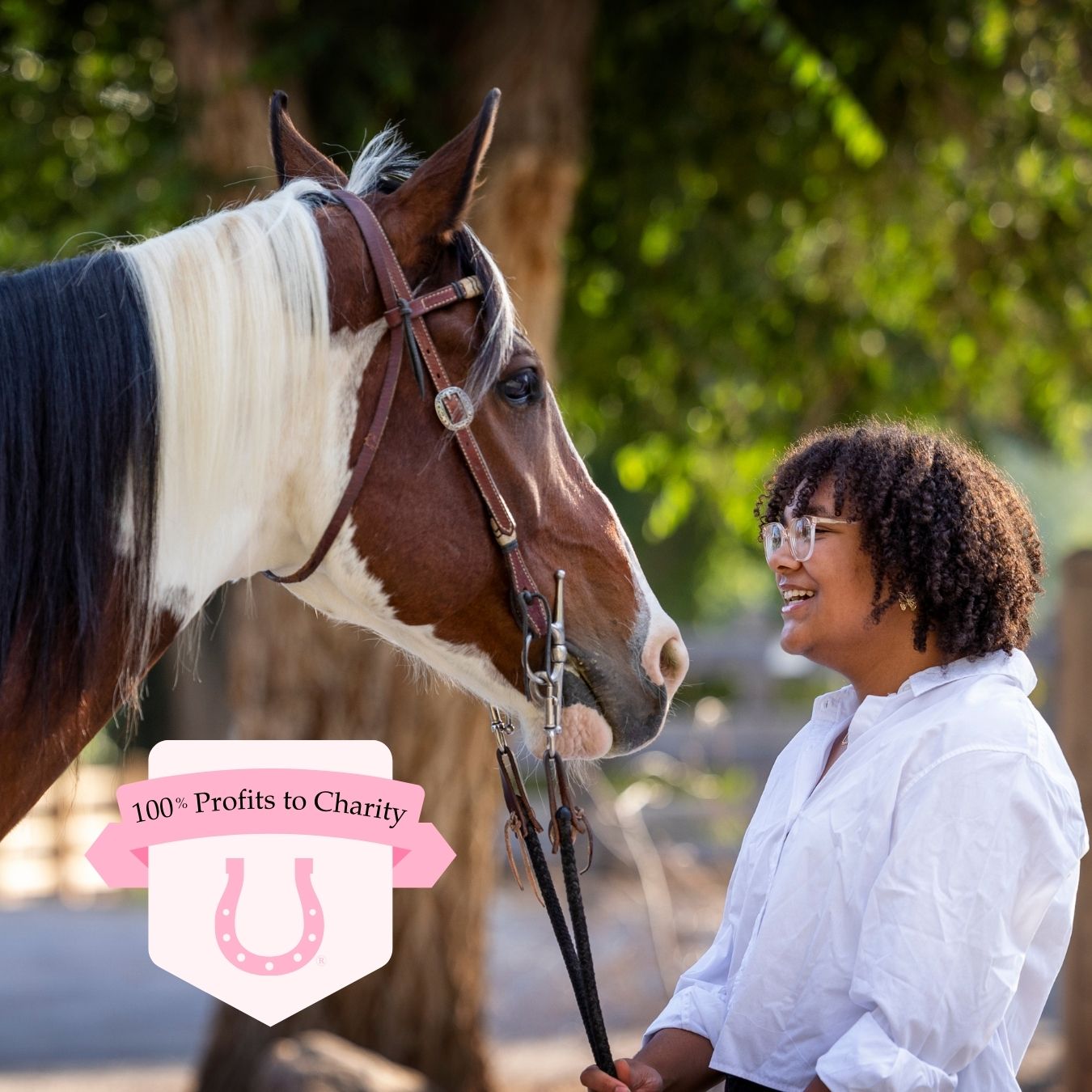
For broader guidance on choosing a meaningful occasion piece, this resource on custom jewelry as the perfect gift for her can help frame the personalization decision. Some makers also direct part of their horse-jewelry proceeds toward equine rescue or therapy programs, so ask about the seller's charitable model rather than assuming every purchase supports one.
You can explore a wider range of horse-themed bracelet ideas in this bracelet charm horse collection, then compare the charm's material, fit, and meaning before ordering.
Bridle Up Hope Shop offers horse-themed jewelry alongside gifts, accessories, apparel, books, toys, and home goods for women, children, and equestrian families. Visit Bridle Up Hope Shop to find a horse charm or complementary gift, and choose a piece that reflects both the wearer's style and their connection to horses.
Deje un comentario