


You're standing in front of a display of horse jewelry, and the pieces all start to blur together. One charm looks delicate, another looks rustic, another looks polished enough for dinner, and all of them claim to be the perfect equestrian gift. The problem is obvious: you don't want to buy something generic. You want a bracelet charm horse piece that matches the wearer's style, holds up in real life, and feels personal enough to keep.
That's the right standard. A horse charm bracelet is not just “horse-themed jewelry,” because the charm design, bracelet construction, finish, and occasion all change how the piece reads on the wrist. Horses have carried symbolic weight since ancient civilizations, where they were tied to wealth, power, and divine connection, and Roman warriors reportedly wore horse motifs as protective amulets in battle, which helps explain why a horse charm still signals strength, freedom, and good fortune today (Robinson's Jewelers).
The smart buyer thinks in layers. First, does the piece suit English or Western style cues. Second, does the material fit the wearer's life. Third, does the charm's meaning match the moment. A rider, a show-day good-luck giver, a memorial buyer, and a casual horse lover all need slightly different answers, and the best bracelet makes that choice easy rather than forced.
Table of Contents
- Why a Horse Charm Bracelet Is More Than a Pretty Gift
- Understanding Charm Architecture in Horse Bracelets
- English and Western Design Cues Worth Knowing
- Materials and Finishes That Hold Up Over Time
- Sizing, Fit, and How the Bracelet Stays Put
- Symbolism and the Occasion Behind the Charm
- Styling, Layering, and Daily Care
- Gifting With Impact Through Bridle Up Hope
Why a Horse Charm Bracelet Is More Than a Pretty Gift
I've seen buyers treat horse jewelry as if every piece says the same thing. It doesn't. A refined horse charm bracelet sends a different signal from a Western piece with conchos, and both sit far from a keepsake chosen for a rider who wants a daily reminder of a specific horse.
A horse charm bracelet works best when you choose for the wearer first. If her wardrobe leans toward breeches, boots, and a polished English look, clean lines and silver tones fit the part. If she lives in Western pieces, rustic finishes and a stronger wrist profile make more sense. You can mix those cues, but the design needs discipline so it reads as intentional instead of crowded.
Practical rule: choose the bracelet that fits the wearer's real wardrobe, not the horse-lover stereotype.
The structure matters too. A horse charm bracelet is usually built around a horse-motif charm, such as a silhouette, medallion, or engraved element, and the bracelet base can be chain, stretch, or link construction. That modular setup changes how secure the charm feels, how much weight sits on the wrist, and whether the piece stays comfortable through a long day.
Buyers also need to judge the occasion with care. A daily signature piece should be easy to wear, a show-day token should feel lucky without getting fussy, and a memorial piece should look deliberate rather than childish. If you want a closer look at a well-chosen equine style, this Bridle Up Hope equine charm bracelet guide is a useful reference. The right gift is one the recipient can live in, not just admire once in the box.
Understanding Charm Architecture in Horse Bracelets
A horse charm bracelet only works when the structure makes sense from the start. The charm carries the meaning, and the bracelet base has to support it without fighting the design. If those parts clash, the piece looks unfinished and wears awkwardly on the wrist.
Design layers that change how the bracelet wears
Start with the charm itself. Silhouettes are the cleanest choice, and they usually read as modern and easy to wear with different outfits. Medallions feel more classic and decorative, while engraved elements add detail without making the bracelet feel heavy. Three-dimensional horse figures can be charming, but they usually sit higher, feel weightier, and are more likely to catch on sleeves or get in the way during tack-room tasks. The charm should fit the way the bracelet will be worn, not just how it looks in a product photo.
The base changes the feel again. A chain base tends to look lighter and more flexible. A link construction usually feels more substantial and stable on the wrist. A stretch bracelet is quick, easy, and often more casual, so it can work well for everyday wear or rustic styling. The same horse charm can feel dressy, sporty, or relaxed depending on the base beneath it.
Motion matters as much as the still image. A charm that looks balanced in a listing can swing heavily, sit off-center, or twist when the wrist bends. That matters for riders, groomers, people who type all day, and anyone who dislikes jewelry that keeps announcing itself every time it moves.
A buyer should read the bracelet in a simple order. Identify the charm shape. Identify the base construction. Decide whether the combination fits the person's daily routine and the way they dress. If that answer is fuzzy, keep shopping.
A useful visual reference for this layout is below.

For a related idea page with a horse-focused bracelet concept, see this equine charm bracelet guide.
English and Western Design Cues Worth Knowing
Horse jewelry is one of the few categories where a tiny detail can point to an entire riding culture. Get this right, and the bracelet looks intentional. Get it wrong, and the piece can feel like it borrowed too many cues from the wrong aisle.

Read the style language before you buy
English cues tend to lean cleaner and finer. Think snaffle-bit motifs, stirrup shapes, polished silver tones, and restrained filigree. The look usually feels at home with dressage, hunter, or general riding wardrobes that already favor neat lines and quieter hardware. A narrow chain bracelet with a small horse silhouette fits this language well.
Western cues are broader and more textured. Horseshoe shapes, saddle silhouettes, conchos, stamped metal, and warmer mixed finishes read as Western immediately. These pieces feel right with boots, denim, and the kind of clothing that already carries visible texture. If the bracelet has a rustic finish, it probably belongs in this camp.
A rider doesn't need the jewelry to match the saddle exactly. The piece just needs to respect the style language they already wear.
If the wearer moves between both worlds, choose a neutral motif. A plain horse outline, a simple medallion, or a minimal horseshoe can bridge the gap without pulling too hard in either direction. That's usually the safer gift choice unless you know the recipient's discipline well.
For outfit matching, a broader equestrian style reference can help anchor the look. The equestrian style clothing guide is useful if you want the bracelet to sit naturally beside the rest of the wardrobe instead of fighting it.
You should also judge scale. English-inspired pieces usually benefit from smaller proportions, while Western bracelets can carry more visual weight. If the charm is oversized for the wearer's hand, it stops looking elegant and starts looking costume-like. That's the line to avoid.
Materials and Finishes That Hold Up Over Time
Material is where a lot of bracelet disappointment starts. A horse charm can look lovely in a product photo and still wear poorly if the finish does not suit the wearer's life. Buy for the material first, then decide whether the motif earns the purchase.

Plated alloy or sterling silver
In horse-themed charm jewelry, you will usually see either plated alloys or 925 sterling silver components, and that difference matters for durability and maintenance. Plated alloy pieces are often chosen for finish, color contrast, and decorative effect. They can look beautiful, especially when enamel or mixed tones are part of the design, but they usually ask for more careful handling because the surface finish is carrying most of the visual weight (MTJ).
Sterling silver is a different animal. A 925 sterling silver component points to a higher-purity silver alloy, which suits fine detail and longer-term tarnish management needs. That makes sense for someone who wants the piece to feel more heirloom-like or who plans to wear it often. Sterling silver still needs care, but it usually ages in a more predictable way.
A useful example is the Live Love Ride Stretch Bracelet, which uses copper, silver, and gold finishes with equestrian concho detailing and a stretch fit. That tri-metal look is clearly built for rustic Western charm, and the stretch construction makes the piece easy to wear. It is the kind of bracelet you choose for visual impact and comfort, then treat as a finish-driven piece rather than pretending it is a low-maintenance heirloom.
Match the finish to the wearer
If the recipient loses jewelry often, start with a simpler, less precious finish. If she rides daily, works around sweat, or uses hand sanitizer constantly, choose a finish that will not make her baby the bracelet. If she wants something collectible, sterling silver is the better long-term lane.
Ask these questions before buying.
- What is the base metal? If the listing only highlights the surface finish, keep reading.
- Is the piece enamelled? Enamel can add beautiful contrast, but it changes how you care for the bracelet.
- Will this be worn often or occasionally? Everyday wear justifies better material.
- Does the wearer want shine or substance? Those are not the same thing.
Sizing, Fit, and How the Bracelet Stays Put
A bracelet that spins all day gets ignored fast. A bracelet that slides into the palm while the wearer is leading a horse, buckling a gate, or washing hands is even worse. Fit is not a side issue in equestrian jewelry. It's the difference between a gift that gets worn and one that gets tucked away.

Choose construction for movement
Chain bracelets usually give the most flexible drape, which can be elegant but also a little wiggly if the charm is heavy. Link bracelets tend to hold structure better and may distribute weight more evenly across the wrist. Stretch bracelets are the simplest to put on and take off, and they're often comfortable for casual wear, but they depend on the band's tension staying strong enough for the charm load.
Test the clasp and the stretch by moving your wrist the same way you would in the barn, not the way you would posing for a photo.
Measure the wrist at the base of the palm, then think about charm bulk and movement. If the bracelet is too snug, it digs in. If it's too loose, the charm twists and catches. The right fit is usually the one that sits close enough to stay centered, but not so close that it feels trapped.
The listing should also tell you how the bracelet closes or stretches. A secure closure matters more than a decorative clasp. If the closure looks delicate and the charm is substantial, I'd pass.
A simple purchase checklist helps here:
- Measure the wrist where the bracelet will sit.
- Check whether the charm adds front weight.
- Decide if the wearer prefers fast on-off wear or a more secure clasp.
- Make sure the design won't snag on gloves, cuffs, or reins.
If you want one short answer, it's this. For active wearers, favor a construction that stays centered and doesn't demand constant adjusting. That's the bracelet they'll keep reaching for.
Symbolism and the Occasion Behind the Charm
A horse charm is symbolic, but symbolism alone is too broad to guide a real purchase. The same charm can mean a daily identity piece, a lucky show-day token, a memory piece, or a general gift. Those are not the same thing, and buyers should stop pretending they are.
Match the charm to the reason it's being given
For a rider's everyday signature piece, the charm should feel personal without needing explanation. For a horse-show good-luck token, the piece can be more pointed, more ritualized, and tied to confidence on a particular day. For a memorial keepsake, restraint matters. A quiet silhouette or engraved detail often works better than anything flashy. For a general equestrian gift, clarity and wearability matter most.
The broader world of personal tokens backs this up. Buyers often choose braided mane hair, engraved stones, locket photos, ribbon snippets, or meaningful symbols when they want a gift to carry emotional specificity, not just general sentiment (The Gingerbread Pony). That same logic should guide horse charm bracelets. If the occasion is specific, the jewelry should be specific too.
If you like symbolic jewelry in general, the meaning of a motif can shift with context. A useful comparison is VVS Jewelry's clover bracelet style guide, which shows how one symbol can carry luck, style, and personal meaning all at once. Horse charms work the same way, but the occasion you choose changes the message.
The horseshoe is a strong example. If you want to go deeper on that symbol, the horseshoe necklace meaning guide is worth a look because it reinforces how equestrian symbols can speak differently depending on whether you frame them as luck, heritage, or daily style.
Choose customization when the moment calls for it. Engraving, layering with other pieces, or pairing the bracelet with a token from the horse can turn a simple charm into a more deliberate keepsake. Skip the extra flourish when the recipient wants something understated. Not every meaningful gift needs to be elaborate.
Styling, Layering, and Daily Care
Once you've chosen the bracelet, the next job is making sure it gets worn. Styling matters because a good piece still needs to live comfortably beside a watch, a sleeve, or a stack of other jewelry. Care matters because horse lovers don't usually baby their accessories, and they shouldn't have to.

Keep the stack simple
A horse charm bracelet works best with one supporting piece, not three. A slim watch or a plain bangle gives it room to breathe. If the wrist stack gets too wide, the charm loses definition and the whole look feels crowded. The safest rule is to keep the total wrist width balanced so the bracelet still reads as the focal point, not background noise.
For daily care, treat plated pieces and sterling silver differently. Plated finishes need a soft touch and a light wipe, especially if the charm has enamel or mixed metals. Sterling silver benefits from regular polishing and dry storage. Keep both away from chemical cleaners and don't leave them sitting in damp tack-room conditions any longer than necessary.
Store the bracelet separately. Horse gear, leather, and jewelry do not belong in the same pile.
A microfiber cloth is enough for routine cleaning. If you're dealing with tarnish-prone silver, clean it before it becomes obvious, not after it turns dull. For plated pieces, less is more. Scrubbing is how finishes wear down.
For practical digital gifting, a simple reference can also help if you're pairing the bracelet with an event invitation or gift note. The Wedding QR codes resource is a handy example of how modern gift presentation can stay organized without making the jewelry itself feel overdone.
If you're storing the piece after wearing it, keep it flat in an anti-tarnish pouch and separate from leather straps, belts, and anything that can scratch the finish. That one habit saves more jewelry than most fancy cleaners ever will.
Gifting With Impact Through Bridle Up Hope
The best part of buying a horse charm bracelet through Bridle Up Hope Shop is that the purchase does more than solve a style problem. The shop carries a broad mix of equestrian products across apparel, jewelry, accessories, home, toys, and books, and it serves both English and Western tastes. That matters because buyers don't need to force a compromise between the look they want and the cause they want to support.
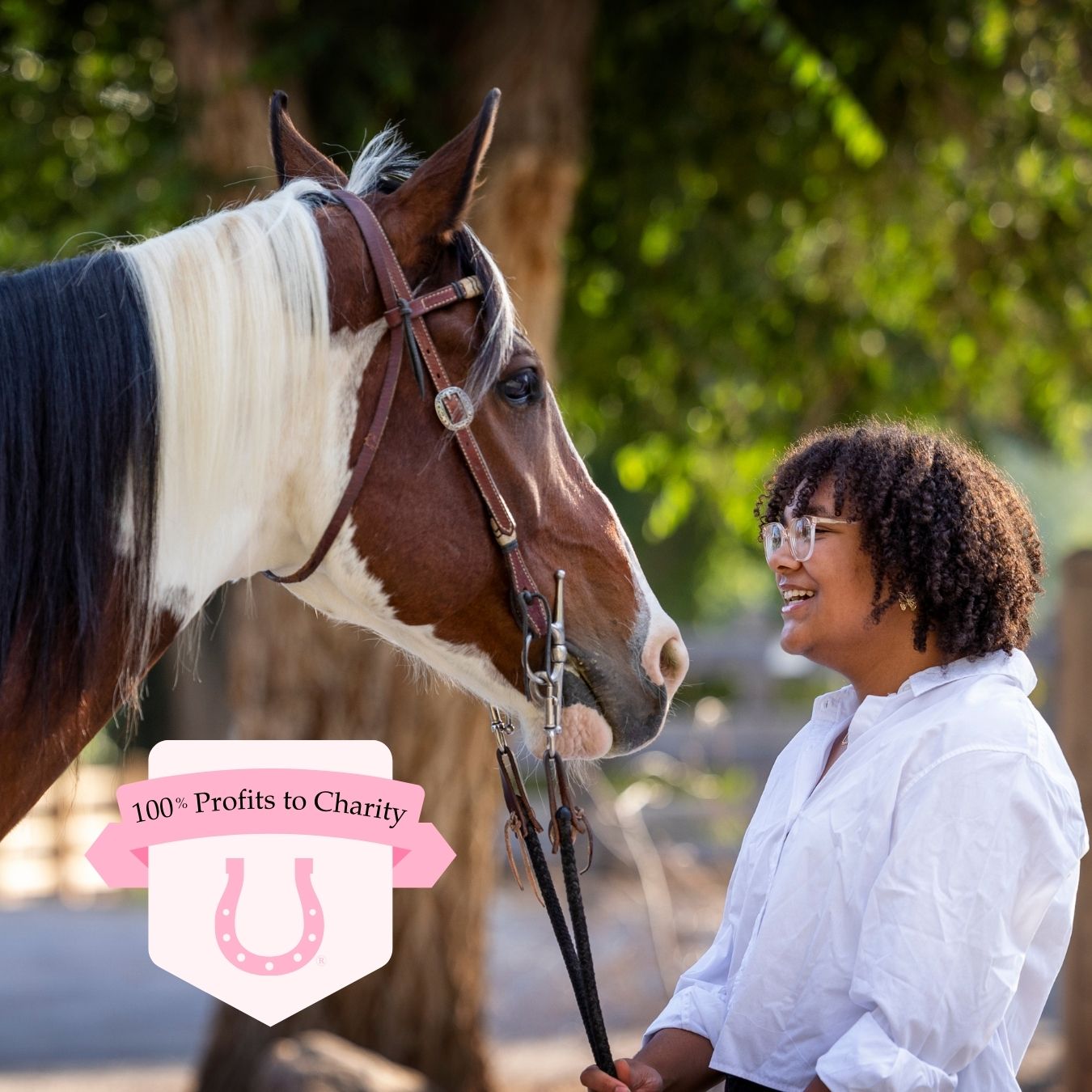
The charitable model is the core difference. 100% of annual net profits are donated to the Bridle Up Hope foundation, which supports girls and women through horses and habits. That means the bracelet isn't just a personal gift, it becomes part of a larger mission. A buyer gets to choose a piece that feels authentic to the recipient while also backing a foundation with a clear purpose.
The shopping experience is practical too. Bridle Up Hope Shop notes free U.S. shipping over $99, the optional Redo return add-on, multi-currency browsing, and a 4.9/5 rating based on 3,546 reviews. Those details matter because they reduce friction for gift buyers who are trying to choose carefully and ship confidently. A store that supports easy browsing and manageable returns is easier to buy from when the gift has to be right the first time.
For a bracelet charm horse gift, I'd keep the decision simple. Match the style to the rider, choose a material that fits her routine, and pick a charm that speaks to the exact moment you're celebrating. If you want the purchase to mean more than a pretty accessory, that's where Bridle Up Hope Shop stands out.
If you're ready to choose a horse charm bracelet that fits the wearer's style and supports a mission with real purpose, visit Bridle Up Hope Shop and look through the equestrian jewelry selection. You'll find pieces that speak to English and Western tastes, and you'll know the purchase is helping girls and women through horses and habits.
Leave a comment