


You've found the necklace that seems made for someone who would rather spend a morning at the barn than anywhere else. The horse motif feels personal, the gold finish looks polished enough for dinner, and the piece could become a daily reminder of a beloved horse, a hard-won milestone, or a life shaped by riding. Then the practical questions arrive. Is it solid gold, vermeil, or merely plated? Will the chain survive real movement? Does the purchase support anything beyond the seller?
A gold horse pendant necklace deserves more thought than a quick accessory purchase. Choose the metal for the wearer's routine, the silhouette for her style, and the seller for the values behind the transaction. The result should look beautiful on day one and still carry emotional weight long after the wrapping is gone.
Table of Contents
- The Timeless Appeal of Equestrian Jewelry
- Solid Gold Versus Plated Construction
- Selecting the Perfect Chain and Size
- Care and Longevity for Daily Wear
- Styling for English and Western Aesthetics
- The Impact of Charitable Equestrian Shopping
- Finalizing Your Meaningful Purchase
The Timeless Appeal of Equestrian Jewelry
A horse pendant can say several things without a word. It can honor a first pony, mark a competition season, represent freedom, or keep the memory of an irreplaceable equine companion close to the heart. That emotional range explains why horse jewelry never feels like a passing novelty.
The motif has deep roots. Jewelry historians trace horse symbolism through ancient Egypt, Greece, and Rome, while the growth of equestrian sports in the 19th century helped drive demand for horse-themed jewelry, as documented in expert coverage of horse necklace symbolism. Today, a horse necklace can also serve as a tribute to a beloved horse, giving the design a private meaning that doesn't depend on fashion.
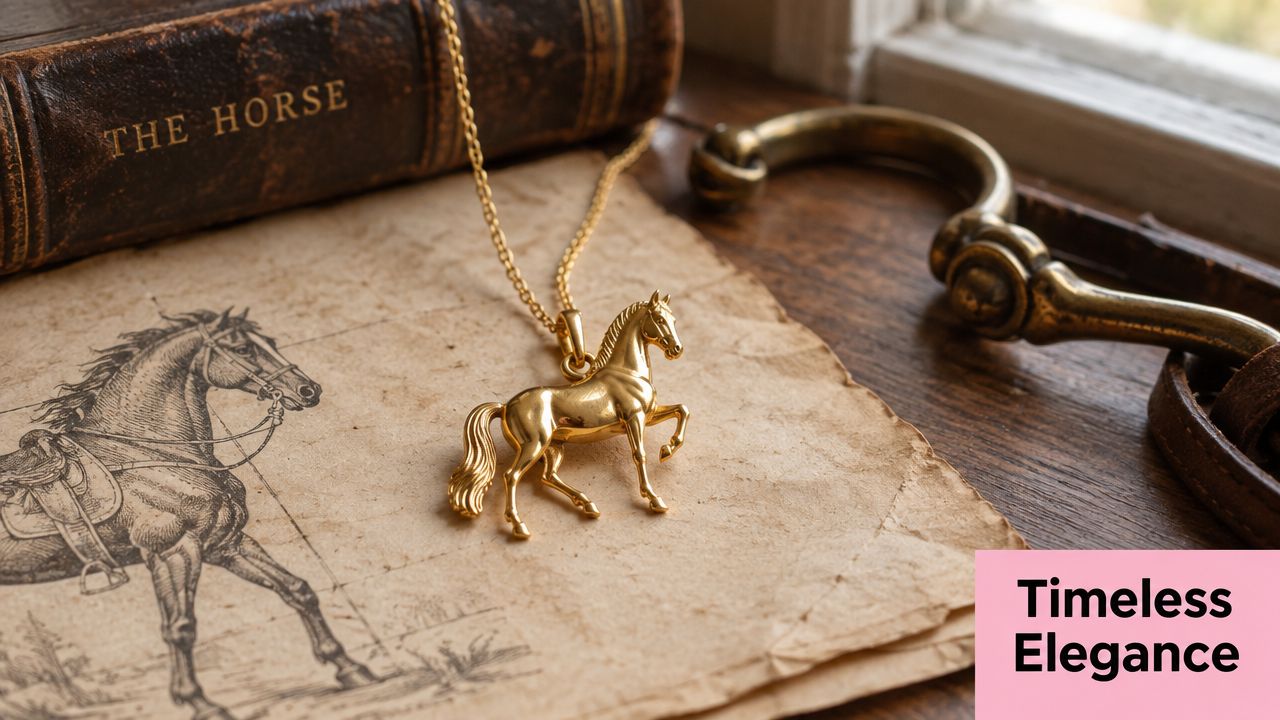
Why gold suits the symbol
Gold adds warmth and permanence to an image that already carries history. A simple horse head in gold can look refined with a show shirt, sentimental with a photograph tucked into a keepsake box, or relaxed with denim and a barn sweater. The metal helps the motif move between riding life and ordinary life.
The commercial importance of gold also makes practical sense. One 2025 market report estimates gold pendants at 32.2% of the pendant-necklace market, while gold as a material accounts for 34.7% of pendant-necklace manufacturing. The report projects gold pendants to grow at a 5.5% CAGR from 2026 to 2034, positioning gold as one of the most commercially significant finishes for pendant styles. Market data on pendant necklaces supports what shoppers already see in jewelry collections, gold remains central to the category.
Shop with meaning: Choose a motif that reflects the recipient's relationship with horses, then choose a construction that matches how often she'll wear it.
For buyers who want to pair jewelry with a broader visual story, browsing artwork from William Tucker Art can help connect a pendant with equestrian-inspired pieces for a home, dressing area, or gift presentation. The right necklace shouldn't feel like a generic charm. It should feel like a small, wearable piece of her horse life.
Solid Gold Versus Plated Construction
The metal description should decide your purchase before the silhouette does. A delicate horse pendant made from dependable material will serve its owner better than a larger, more elaborate design whose finish quickly disappears.
Solid gold runs through the piece rather than sitting only on the surface. For a necklace intended as an heirloom or worn frequently, solid 14k or 18k gold is the clear durability choice. It costs more, but the color isn't a coating that can rub away. Higher-purity gold can be softer, so the alloy and construction still matter, especially around a fine bail or a thin chain.
Vermeil generally means sterling silver covered with a layer of gold. It can offer a richer feel than basic plating, but the buyer should still ask about the thickness of the gold layer and the care requirements. Gold-filled construction bonds a thicker gold layer to a base metal than ordinary plating, making it a sensible middle ground when solid gold isn't the budget choice.
Basic plated jewelry places a comparatively thin layer over another metal. Terms such as flash plating can signal an especially light coating. The horse motif doesn't determine how quickly the piece wears. Friction, moisture, chemicals, and coating thickness do.
Compare the construction before buying
Industry references describe flash plating at 0.1 to 0.5 µm as capable of wearing off in weeks, standard plating at 0.5 to 1.0 µm as lasting roughly 6 to 18 months with moderate daily use, and premium plating at 1.0 to 2.5 µm as lasting about 2 to 4 years under ideal conditions. These figures come from industry guidance on gold-plated jewelry durability, and real results depend heavily on wear and maintenance.
| Gold Construction Type | Expected Lifespan | Best For |
|---|---|---|
| Solid 14k or 18k gold | Long-term ownership with refinishing available | Daily wear, heirloom gifts, and buyers prioritizing longevity |
| Gold-filled | Longer wear than basic plating, with care | Regular use when solid gold is outside the budget |
| Vermeil | Depends on coating thickness and routine | Dressier wear, thoughtful gifting, and moderate use |
| Premium plating | About 2 to 4 years under ideal conditions | Occasional wear and buyers seeking a richer finish at a lower price |
| Standard plating | Roughly 6 to 18 months with moderate daily use | Light everyday wear with realistic maintenance expectations |
| Flash plating | May wear off in weeks | Costume styling or very occasional use |
Wear testing in the same industry reference reported that 1.0 µm plating lost 42% of gold coverage after 1,200 cycles, while 2.0 µm retained 78%. The lesson is straightforward. If you're choosing plated construction, ask for the coating thickness rather than accepting “gold plated” as enough information.
Active equestrians should be especially strict. Sweat, dust, sunscreen, perfume, shirt collars, and repeated contact with the clasp can expose weak plating quickly. For barn-to-street wear, I recommend solid gold first, gold-filled or substantial vermeil second, and plated pieces only when the wearer understands that the finish requires more careful rotation.
For another equestrian gift idea built around a related symbol, consider this guide to a gold horseshoe charm. A horseshoe can complement a horse pendant without forcing both pieces to compete for attention.
Selecting the Perfect Chain and Size
A pendant can't outperform the chain that carries it. Buyers often focus on the horse design and overlook the point where the chain meets the bail, even though that connection handles constant movement and friction.
Start with the wearer's routine. If she'll wear the necklace under a riding jacket or with everyday clothing, choose a chain with enough substance to support the pendant without looking heavy. A cable chain is the reliable classic, with links that suit daily styling. A rope chain adds texture and catches light around a simple horse silhouette. Both work well, but the chain must look proportionate to the pendant.
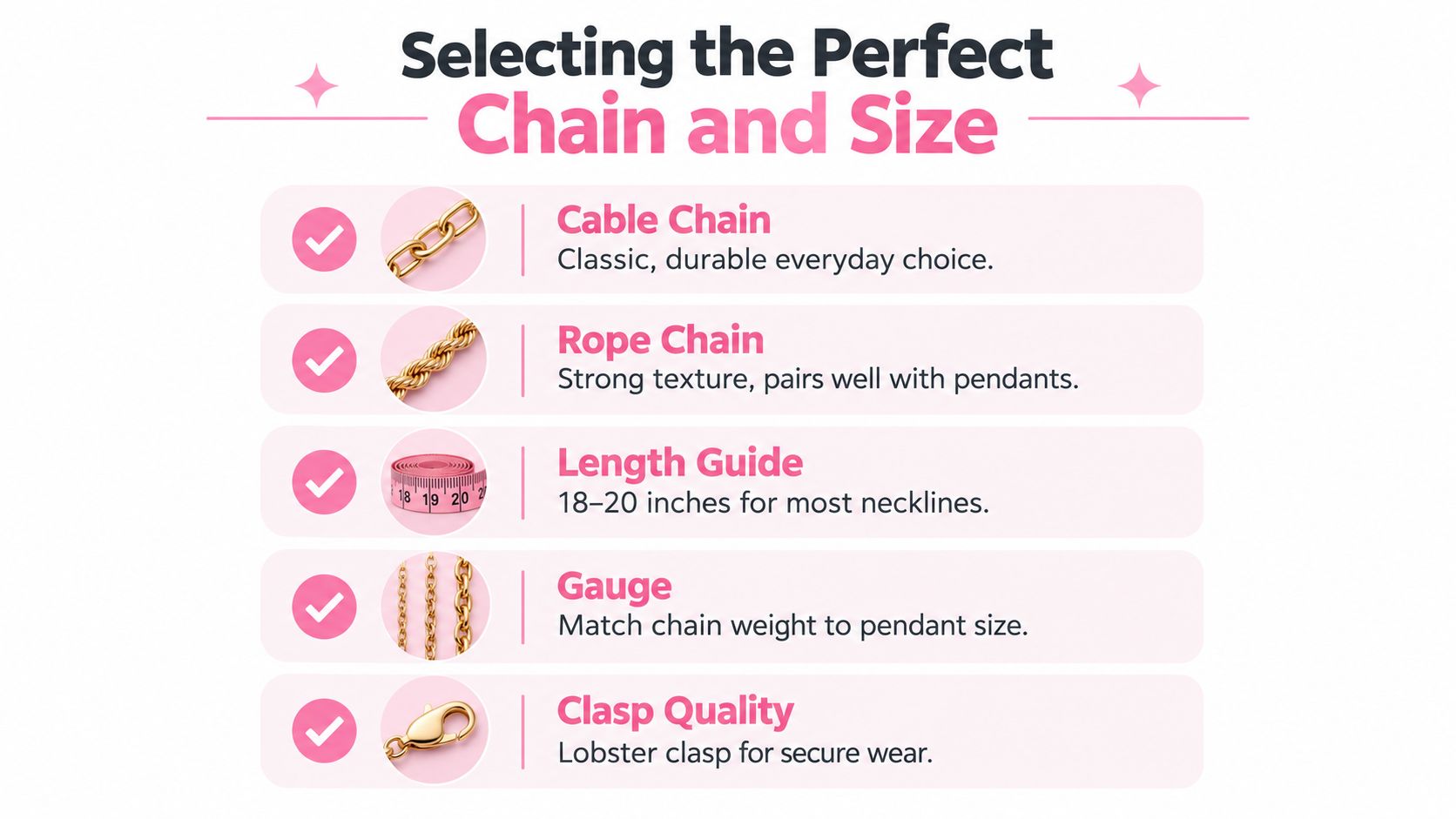
Match the chain to the wardrobe
For most necklines, 18 to 20 inches offers an adaptable position. A shorter chain places a small horse close to the collarbone and suits a minimalist English wardrobe. A longer chain gives a larger pendant room to sit over a knit sweater, open shirt, or Western blouse.
Use this sequence before ordering:
- Measure a necklace she already likes. Lay it flat and measure from clasp to end. This is more reliable than guessing from a product photo.
- Check the pendant's scale. A tiny silhouette needs a finer chain. A detailed or weightier horse needs a chain with matching visual and physical strength.
- Inspect the bail. The bail should move freely enough for the pendant to settle naturally, but it shouldn't look so large that it overwhelms the design.
- Choose a secure clasp. A lobster clasp is a sensible everyday option because it closes firmly and is easier to handle than a very small spring ring.
- Think about layering. Keep the horse pendant as the focal point. Pair it with a plain chain or a small horseshoe, not several competing statement pieces.
The chain's gauge should match the pendant's weight. A heavy pendant on an ultra-fine chain looks unbalanced and puts unnecessary strain on the hardware. A delicate horse head can disappear beside a thick rope chain, so let the silhouette determine the supporting line.
A locket offers a different emotional direction, especially for a memorial or personalized gift. This guide to a horse locket necklace may help if the recipient values a hidden photograph or private keepsake more than an open pendant.
Care and Longevity for Daily Wear
An equestrian necklace faces tougher conditions than a piece worn only for dinners. Barn dust settles into the bail, sweat reaches the chain, sunscreen coats the surface, and clothing rubs against the pendant during movement. The most effective care routine is simple, consistent, and built around taking the necklace off before exposure begins.
Remove it before mucking stalls, grooming, riding, swimming, showering, applying sunscreen, or spraying perfume. Don't wear it while using cleaning products or handling substances that can cling to the metal. Friction from a collar or jacket can wear a plated surface even when the necklace never gets visibly dirty.
A practical routine for riders
At the end of a normal day, wipe the necklace with a soft, dry cloth. If the piece needs more cleaning, use lukewarm water and a small amount of mild soap, then rinse carefully and dry it completely with a soft cloth. Avoid abrasive polishing compounds on plated pieces because aggressive rubbing can remove the finish you're trying to preserve.
Store the necklace separately, ideally in a soft pouch or a compartment where the chain won't tangle against other jewelry. Hang or lay it flat only after it's dry. A tangled chain creates repeated pulling at the clasp and bail, while contact with harder pieces can scratch the pendant.
Barn rule: Jewelry belongs in the tack room only when it's protected. Keep your necklace in a small pouch before chores, not on the washstand beside products and tools.
Plated construction needs the most discipline. The gold layer sits at the surface, so sweat, perfume, lotions, moisture, and rubbing can shorten its useful life. Solid gold is more forgiving, but it still benefits from the same routine because the alloy, clasp, and delicate details can collect residue.
Inspect the bail and clasp periodically. If the clasp feels loose, the chain shows a stretched link, or the pendant hangs at an odd angle, stop wearing it until a jeweler checks the connection. Early repair is usually more sensible than recovering a pendant after it falls into grass, bedding, or a riding arena.
Styling for English and Western Aesthetics
English and Western equestrian style share the horse, but they speak different visual languages. Your pendant should support that language rather than look disconnected from the rest of the outfit.
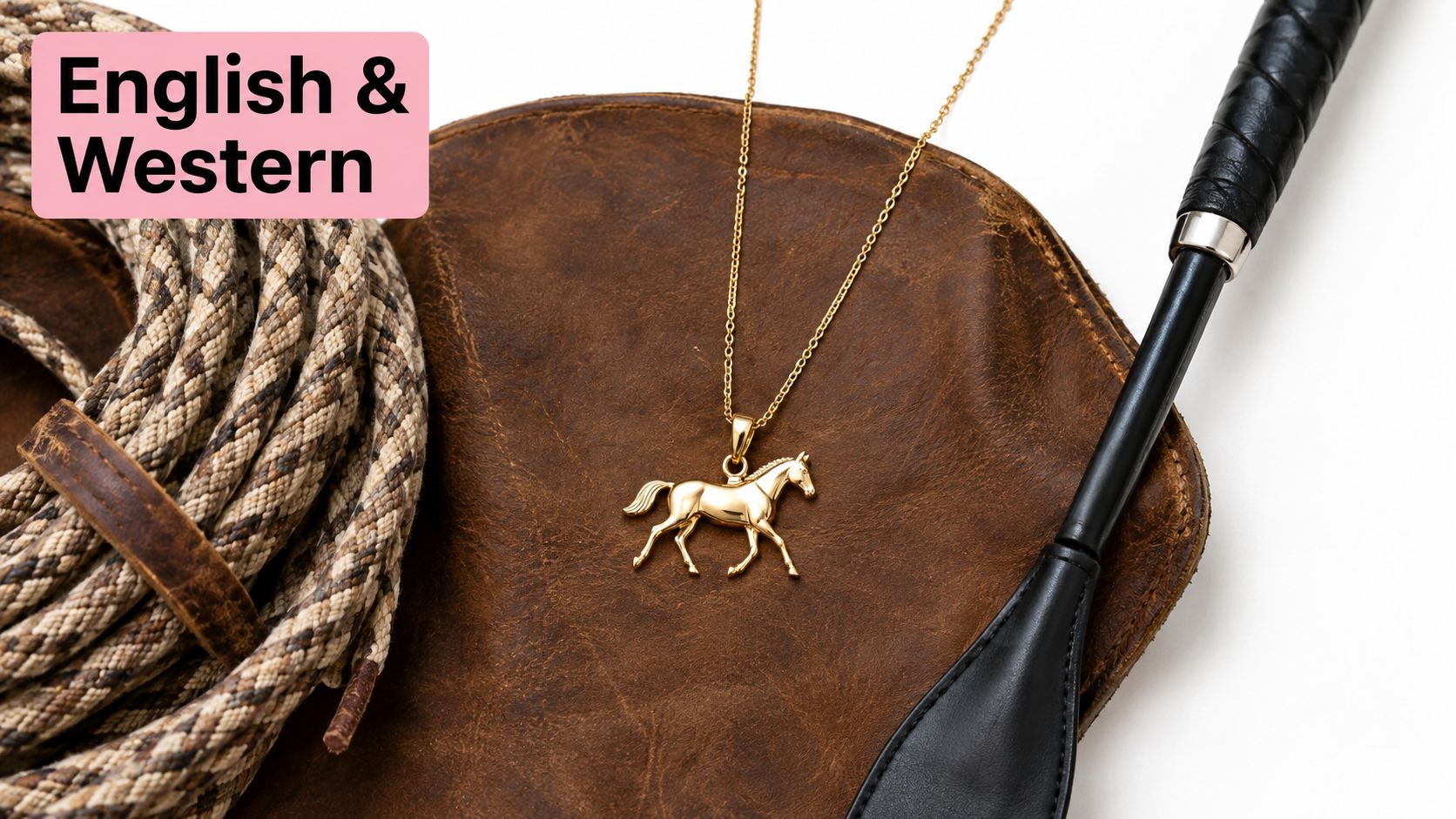
English styling
English riding wardrobes often rely on clean lines, structured layers, technical fabrics, and restrained color. A small polished horse head works particularly well with a fitted show shirt, a navy knit, or a crisp button-down. Choose a fine cable chain and let the pendant sit near the collarbone, where it reads as refined rather than ornate.
For a barn-to-lunch outfit, pair the necklace with a fitted sweater, straight-leg trousers, and understated boots. Keep other jewelry quiet. A slim watch or small studs can support the look without turning the neckline into a collection of unrelated symbols.
Western styling
Western clothing gives you more room for texture and visual weight. A larger horse pendant, hammered finish, or warmer gold tone can sit comfortably beside leather, denim, turquoise, a bolo tie, or a patterned blouse. Layering works best when each necklace has a distinct length and the horse pendant remains the recognizable center.
A rope chain can echo Western materials, while a sculptural pendant can balance a soft barn sweater and boots. Don't assume every Western look needs a large statement piece. A minimal horse silhouette against a denim shirt can feel more current and wearable than an elaborate design covered in decorative details.
The video below offers another visual reference for combining horse symbolism with an equestrian wardrobe.
Choose by recipient, not just by age
A younger rider may prefer a simple, lightweight pendant that won't dominate her first jewelry collection. For a teenager, select an expressive design that works with casual clothes and doesn't require delicate styling rules.
An adult rider, trainer, or competitor may appreciate solid gold, a refined horse profile, or a piece that marks a particular horse or achievement. A memorial gift should lean toward clarity and restraint. The emotional meaning already carries weight, so the design doesn't need to shout.
For a Western enthusiast, look for texture and stronger proportions. For an English rider, prioritize clean casting, proportion, and a polished surface. The best gift feels like an extension of the recipient's riding identity, not a generic horse-shaped object.
The Impact of Charitable Equestrian Shopping
A meaningful necklace can do more than represent a love of horses. It can direct money toward programs that help people through horses, habits, and structured support. That changes the purchase from a single exchange into a gift with a wider circle of beneficiaries.
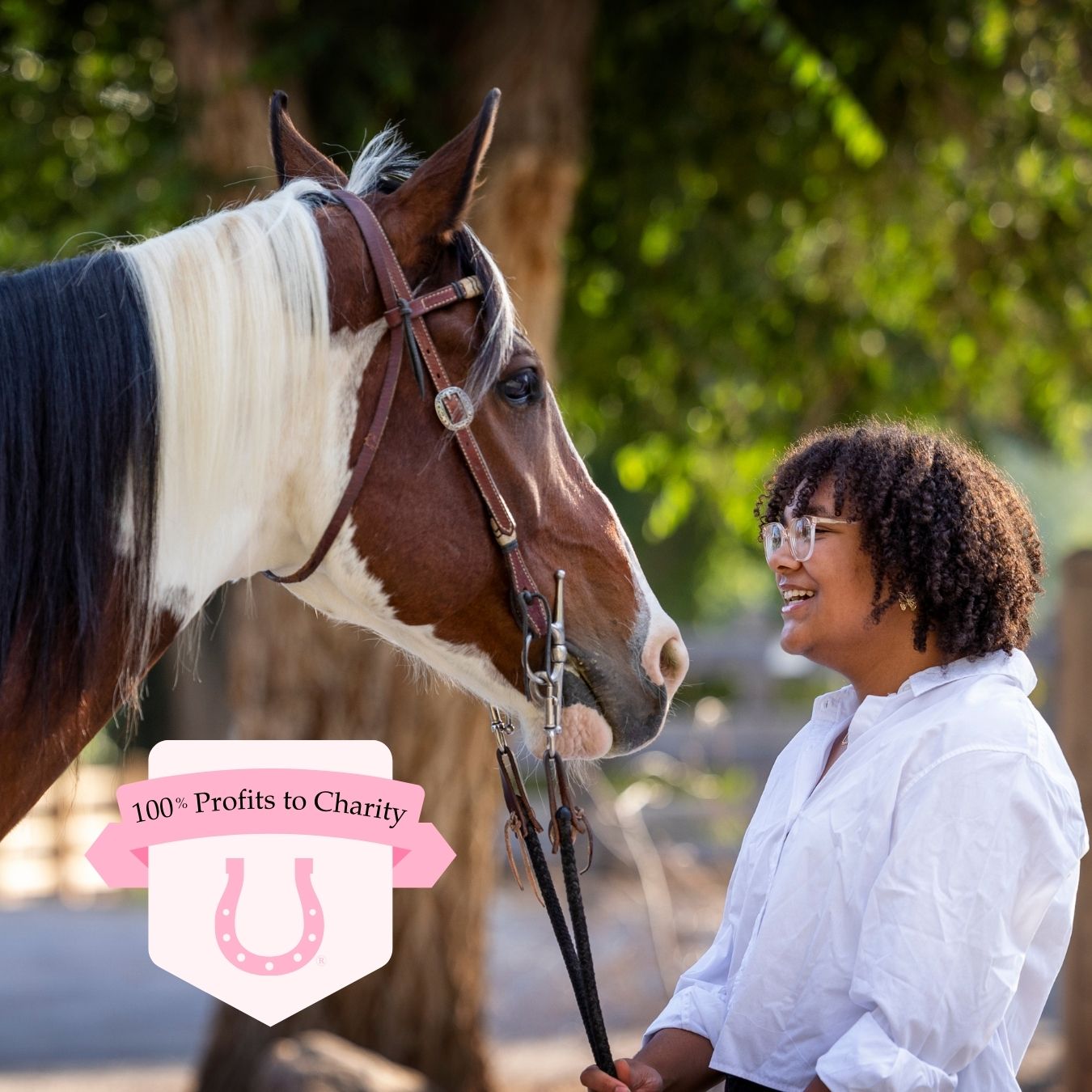
Bridle Up Hope uses a charitable retail model in which 100% of annual net profits go to the Bridle Up Hope foundation. The foundation supports girls and women through equine therapy and habit-building. If you're already buying an equestrian gift, that model gives the transaction a purpose beyond the object itself.
The distinction matters. A retailer can use horse imagery as decoration, while a charitable equestrian shop can connect the product category to programs that use horses as part of personal development. Buyers should still read the charity statement carefully, understand whether the commitment applies to net profits or sales revenue, and look for clear information about the receiving foundation.
Give the recipient a story
A gold horse pendant necklace already tells the recipient that you understand her connection to horses. A charitable purchase adds a second story. She receives something wearable, while the purchase contributes to work designed to support girls and women.
That makes the necklace particularly strong for birthdays, graduation gifts, riding milestones, memorials, and wedding celebrations. Couples planning a values-led event can also explore broader resources such as a charity wedding registry Australia when they want gifts or registry choices to reflect social commitments.
A thoughtful gift has two destinations: the person who opens the box and the people supported by the purchase.
The impact should never excuse weak product information. Ask what the pendant is made from, how the chain is constructed, what care it needs, and what happens if the recipient wants to exchange it. Charitable intent and sound buying standards belong together.
For more ideas that combine gifting with a social purpose, browse this guide to charity gifts that give back. The strongest choice is one that feels emotionally right, physically suitable, and transparent about where the money goes.
Finalizing Your Meaningful Purchase
Before you click the purchase button, reduce the decision to three questions: Will it last for the way she wears jewelry? Does it look like her? Does the purchase support a cause she values?
Start with the material. Choose solid gold if the necklace is meant for frequent wear, a milestone, or an heirloom. Choose a well-described vermeil, gold-filled, or premium-plated piece when the budget calls for a lower-cost option, but confirm the coating details and accept that surface finishes need more care.
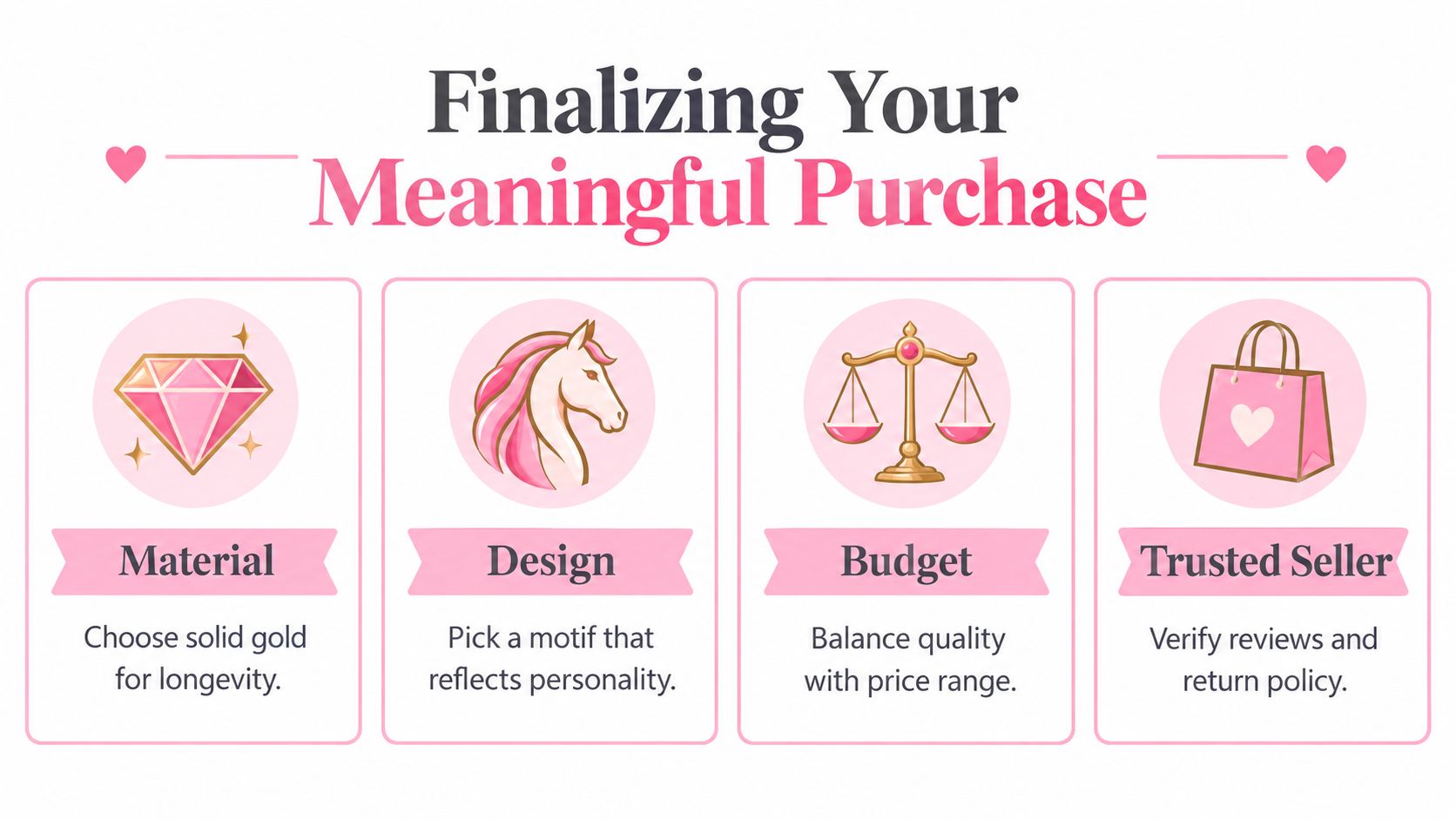
Use this final checklist
- Material: Confirm whether the piece is solid gold, gold-filled, vermeil, or plated. If it's plated, ask about coating thickness.
- Construction: Check the bail, chain gauge, clasp, and whether the hardware is proportionate to the pendant.
- Design: Match the silhouette to the recipient. Choose a restrained profile for English styling, stronger texture for Western wear, and a personal symbol for memorial gifting.
- Care: Read the maintenance instructions before ordering. A necklace that must be removed for chores may not suit someone who wants completely hands-off daily wear.
- Seller: Review the return policy, shipping protection, product description, and customer feedback. If the necklace is a gift, make sure the exchange process won't create unnecessary pressure.
- Impact: Verify how the charitable contribution works and which organization receives it. Look for plain, specific language rather than vague promises.
A return policy matters because jewelry fit and scale can surprise you. Shipping protection matters because a small pendant and fine chain need secure delivery. A clear charitable statement matters because your purchase should reflect the values it claims to support.
The right gold horse pendant necklace balances longevity, proportion, emotional meaning, and social impact. Don't buy the largest pendant or the shiniest finish by default. Buy the piece that the recipient can wear naturally, care for realistically, and remember for the right reasons.
Bridle Up Hope Shop offers horse-themed jewelry and equestrian gifts across English and Western styles, with 100% of annual net profits donated to the Bridle Up Hope foundation. Visit Bridle Up Hope Shop to choose a meaningful horse-inspired gift that suits the recipient and contributes to support for girls and women through horses and habits.
Deje un comentario