


You're scrolling through gift options for someone who loves horses, and every plush starts to look alike. One has a beautiful flowing mane but loose decorative details. Another feels soft in the product photo, yet the listing says little about its fabric, filling, or safety testing. A white horse plush toy can be a lovely choice, but the right one depends on more than color and cuteness.
A thoughtful buyer matches the toy to its recipient, intended use, age grade, and destination market. A nursery decoration, a toddler's bedtime companion, an adult collector's display piece, and a comfort plush each need different construction decisions. The guidance below focuses on the details that matter after the gift is opened, including attachment integrity, flammability, labeling, washable materials, and long-term care.
Table of Contents
- Why a White Horse Plush Toy Is More Than Just a Gift
- Safety Standards and Age Recommendations You Should Know
- Choosing the Right Size Fill and Fabric
- How to Wash and Care for Your Plush Horse
- Styling Ideas and Gift Recommendations for Every Age
- Giving a Gift That Supports a Greater Purpose
Why a White Horse Plush Toy Is More Than Just a Gift
A child unwraps the package, presses the horse to their chest, and immediately starts assigning it a name, personality, and stable of imaginary friends. That play can continue through bedtime stories, pretend riding lessons, and quiet moments when a familiar object offers comfort. For families choosing toys that encourage storytelling and role play, this broader guide to best toys for imaginative play can help place a plush horse within a larger play environment.
White has a particular visual appeal. It works with soft nursery palettes, stands out on a darker bedroom shelf, and echoes the ceremonial or dreamlike image many people associate with a pale horse. For an adult equestrian, the appeal may be less about pretend play and more about identity. A carefully made plush can sit beside riding books, show ribbons, photographs, or tack-room décor as a small expression of a lifelong interest.
The first decision is who will use the horse. A baby's room calls for a display-minded purchase with secure construction and no loose trim within reach. A young child needs a washable companion that can survive squeezing, dragging, and repeated play. An older child may appreciate a horse with more realistic proportions and a detailed mane. An adult collector may prioritize fabric texture, sculptural form, finishing quality, and presentation over maximum softness.
Match the emotional purpose
The same white horse plush toy can serve several roles, but buyers shouldn't treat those roles as interchangeable.
- Comfort object: Choose a soft, lightweight design with a simple face and no hard embellishments.
- Imaginative play companion: Look for a durable body, securely attached features, and a shape that's easy for small hands to carry.
- Nursery accent: Select a balanced piece that looks attractive on a shelf or glider, then keep it outside the baby's sleep space.
- Collector or décor piece: Favor realistic detailing, premium-feeling fabric, and a construction suited to gentle handling rather than rough play.
The best purchase carries a clear intention. Before comparing colors or mane styles, decide whether you're buying something to hug, act out stories with, display, or give as a symbolic equestrian gift. That decision will make the safety, material, and care choices much easier.
Safety Standards and Age Recommendations You Should Know
Softness doesn't make a toy safe. A plush horse can feel gentle while still presenting risks if eyes, noses, buttons, beads, mane fibers, thread ends, or filling detach during ordinary handling. Australian consumer-safety guidance specifically warns that detachable components and loose filling can create choking or strangulation hazards, and it recommends checking toys for secure construction and age suitability through resources such as this practical guide to age guidance and recall checks.

Start with the intended age
Age grading reflects design assumptions about reach, mouthing, pulling strength, and small-part exposure. A toy marked for older children shouldn't be placed in a baby's crib because it looks soft. For an infant or young toddler, choose a plush with embroidered eyes and facial details, tightly secured seams, minimal raised trim, and an age recommendation that matches the child.
Inspect the finished toy rather than trusting a product photograph. Run your fingers along the seams, gently pull the ears and limbs, and examine the mane and tail for fibers that come away easily. Any loose eye, nose, decorative ribbon, bead, or exposed stuffing is a reason to stop and return the item.
Practical rule: If a child can pull it free, chew it loose, or fit it in their mouth, it shouldn't be a detachable feature on a young child's plush.
For the United States, manufacturers and sellers should address the applicable ASTM F963 toy safety requirements for plush materials and construction. U.S. stuffed toys also require a permanent tracking label, which helps identify the product if a safety issue leads to a recall. In Canada, plush toys must meet requirements for clean stuffing and safe outer materials, including the applicable flammability and toxicity provisions. European-market toys must comply with the relevant toy rules, including EN 71-2 flammability limits.
Check the outer fabric and finished construction
Flammability rules differ by destination. Canadian requirements specify that a plush toy's outer covering must have a flame spread time greater than 7 seconds under the applicable test conditions, as set out in the Canadian regulation for toy flammability. The EU uses EN 71-2 limits, while the U.S. applies ASTM F963 requirements. These differences mean a product intended for several markets may need tested fabric constructions, pile choices, seams, and trim suited to each jurisdiction.
A trustworthy listing should identify the manufacturer, age grade, materials, and relevant compliance information. Be cautious when a seller provides only phrases such as “safe,” “non-toxic,” or “all-new material” without explaining the product's intended age, tracking information, or finished-toy testing. Raw fabric certification alone doesn't prove that the completed horse meets every mechanical and flammability requirement.
For a deeper check, use this short list:
- Read the age label: Follow it exactly, especially for children under three.
- Inspect attachments: Prefer embroidered features or securely sewn components for young children.
- Check the seams: Look for tight stitching, reinforced stress points, and no exposed filling.
- Verify labeling: Look for permanent product tracking information where required.
- Confirm the market: Safety marks and documentation should match the country where the toy will be used.
You can find child-focused horse toy ideas through Bridle Up Hope's horse toy guide, but the final safety decision still belongs to the buyer. Read the individual product label and inspect the actual toy when it arrives.
Choosing the Right Size Fill and Fabric
A plush horse's size determines how it will live in your home. A palm-sized piece travels easily in a bag, a medium horse works well for hugging and shelf display, and a large statement piece needs enough floor or furniture space to avoid becoming a tripping hazard. Don't choose by appearance alone. Match the dimensions and construction to the recipient's handling ability and the room where the horse will stay.
| Size Category | Fill Type | Fabric Option | Best Use Case | Durability Rating |
|---|---|---|---|---|
| Small, hand-sized | Polyester fiberfill | Short-pile plush or cotton blend | Travel, small gifts, imaginative play | Good when seams are reinforced |
| Medium, huggable | Polyester fiberfill | Plush velour or washable short pile | Bedtime comfort, nursery shelf, everyday play | Good to very good |
| Large, display-focused | Structured polyester fill | Dense velour or premium plush | Bedroom statement piece, office décor | Very good with stable construction |
| Collector-style | Structured fill or shaped internal support | Detailed premium fabric | Adult display and gentle handling | Depends heavily on finishing |
Fill changes the feel
Traditional polyester fiberfill gives a familiar springy softness and supports a forgiving, huggable body. It's usually the most practical choice for a child who will carry the horse around and squeeze it often. Structured filling creates a firmer silhouette and can help a display horse hold its shape, but it may feel less cuddly.
Weighted designs require extra care in the buying decision. A heavier filling can change how a child handles the toy and may be unsuitable for very young users, so follow the manufacturer's age guidance rather than assuming that a weighted comfort object is appropriate. Avoid any piece with accessible beads, pellets, or loose internal contents.
Fabric should serve the lifestyle
Short-pile plush is easier to brush, inspect, and clean than a very long, loose mane or shaggy outer coat. Velour can feel luxurious, while cotton blends may suit shoppers who prefer a less synthetic hand feel. For a frequently handled child's toy, I prefer a dense, low-shed fabric with a care label that permits gentle washing.
White fabric also shows every mark. That isn't a reason to avoid it, but it is a reason to choose practical construction. Look for removable accessories, secure embroidery, strong seam finishes, and washable surfaces. A collector's horse can use more delicate materials, but buyers should treat it as décor rather than a rough-and-tumble plaything.
How to Wash and Care for Your Plush Horse
White plush needs a care routine that protects both its color and its shape. Start by reading the sewn-in care label, because the manufacturer's instructions take priority over any general method. If the label says surface clean only, don't put the horse in a washing machine because it appears small enough.

Inspect before cleaning
Check the eyes, nose, mane, tail, hooves, and major seams before adding water. Washing can worsen a small tear, loosen an already weak attachment, or spread filling through a damaged seam. Repair minor damage first, or use professional cleaning for a delicate collector piece.
For ordinary surface dirt, use a soft cloth, cool water, and a small amount of mild detergent. Fragrance-free detergent is a sensible choice for a baby's plush, particularly when the child presses the toy against their face. Dab instead of scrubbing aggressively, then remove soap residue with a clean, damp cloth.
Use gentle washing settings
If the care label permits machine washing, place the horse in a mesh laundry bag or pillowcase and use a gentle cycle with cool water. Keep the load small enough that the plush can move without being crushed by heavy garments. Skip bleach, fabric softener, and strong stain removers unless the care instructions specifically allow them, since these products can affect fibers, dyes, and surface texture.
Cleaning advice: Treat a white plush horse like a delicate garment with a stuffed interior. Friction, heat, and incomplete drying cause more trouble than ordinary dirt.
Press out excess water with a towel rather than twisting the body. Lay the horse flat, reshape the legs and head while damp, and turn it periodically so the filling dries evenly. High heat can shrink fabric, mat the pile, or distort synthetic filling, so air drying is the safest default. If the label permits a dryer, use low heat and check the horse often rather than leaving it in a hot cycle.
Once dry, brush the fur gently in the direction of the pile. A soft clothing brush can lift flattened fibers, while a clean toothbrush may help separate a small mane or tail. Store the horse away from direct sunlight, which can yellow or discolor pale fabric over time, and use a breathable cotton bag instead of sealed plastic for long-term storage.
For a coordinated equestrian home, practical textile pieces such as horse kitchen towels can complement the room without exposing the plush to unnecessary handling. Keep the horse in a clean, dry location and inspect it periodically, particularly if children still use it daily.
Styling Ideas and Gift Recommendations for Every Age
A white horse plush toy can look intentional rather than childish when its size, placement, and companion gifts fit the recipient. The styling decision should follow the person's relationship with horses. A nursery needs calm decoration, a toddler's room needs accessible play value, and an adult collector's space benefits from proportion and detail.

Nurseries need display-first choices
For a nursery, choose a medium-sized horse with secure features and a washable outer fabric. Place it on a shelf, dresser, or glider rather than inside the baby's sleep space. Pair the white horse with neutral bedding, framed equestrian art, or natural wood accents, but keep the arrangement uncluttered.
A baby-shower gift can include the plush alongside a board book, swaddle, or soft blanket. The horse adds a keepsake element, while the practical textile gives the parents something useful immediately. Check the age grade before presenting it as a toy, and describe it as décor if it isn't intended for unsupervised handling.
Toddlers and young children need play-ready construction
For a toddler, choose a lightweight horse with embroidered facial features and a short, dense pile. A manageable size supports carrying, storytelling, and bedtime routines without overwhelming the child. The horse can become a farm animal in one story, a show horse in the next, or a quiet companion during reading.
Birthday and holiday gifts work well when the plush comes with a horse storybook, washable blanket, or simple grooming-themed accessory. Avoid adding small detachable items to a gift intended for a child who still mouths toys. The safety of the complete gift matters, not just the main plush.
Older children and adults can receive more detail
An older child who rides or follows equestrian sport may prefer a larger, more realistic horse with a carefully shaped head, mane, and legs. Display it near ribbons, riding boots, framed show photos, or a bookshelf of horse stories. For a good-luck gift before a competition, pair the horse with a handwritten note, a journal, or a personalized textile that won't interfere with the plush's safe construction.
Adult collectors usually value proportion, fabric quality, and finishing. A premium-feeling piece can sit in a home office, living room, or equestrian-themed guest room. Keep limited or delicate designs away from rough play and direct sun, and treat the product information as part of the collectible's value. A thoughtful gift doesn't need to be extravagant. It needs to reflect how the recipient will use and display it.
Giving a Gift That Supports a Greater Purpose
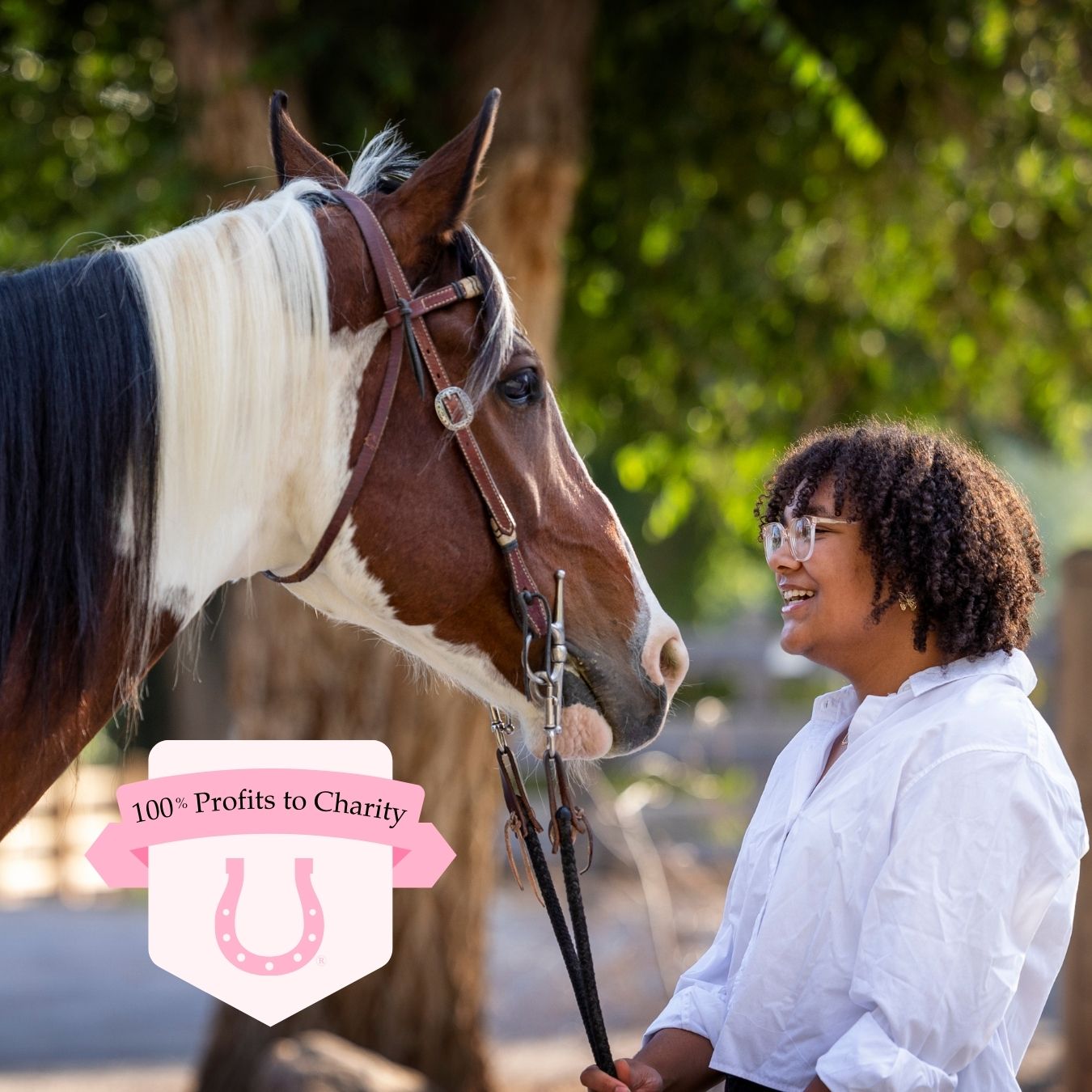
A plush horse becomes more meaningful when the purchase connects with a cause the recipient can understand. Bridle Up Hope's charitable model directs 100% of annual net profits to the Bridle Up Hope foundation, which supports girls and women through horses and habits, according to the publisher information for the shop. That gives the gift a natural conversation beyond the object itself, especially for an older child, teenager, or adult who cares about social impact.
The story is easy to share without making the gift feel like a lecture. Add a short card explaining that the purchase supports programs connected with horse-assisted wellness and resilience. A child can learn that horses help people feel capable and connected. An adult can appreciate that a familiar equestrian symbol also contributes to work involving women and girls facing adversity.
Purpose-driven gifting also pairs well with a broader presentation. If you're assembling a larger arrangement, Fiore's gift arrangements offer ideas for combining a central keepsake with complementary items. For more charitable gifting inspiration, see this guide to charity gifts that give back.
The practical standard still matters. Choose a toy with appropriate age guidance, secure attachments, suitable materials, and care instructions, then explain the mission when you give it. A white horse plush toy chosen with that level of intention can represent comfort, imagination, equestrian identity, and generosity in one lasting keepsake.
Bridle Up Hope Shop offers horse-themed plush products alongside children's gifts, books, blankets, apparel, and home items, making it easier to build a thoughtful equestrian gift around the recipient. Visit Bridle Up Hope Shop to explore options and choose a safe, purposeful gift for a horse-loving child or adult.
Deje un comentario