


If you've got a child who gallops a plush horse across the rug, lines up figurines like a little show ring, or asks for “just one more horse book” at bedtime, you already know how intense horse enthusiasm can be. The hard part isn't finding something horse-themed, it's sorting through the cute stuff to find toys that fit your child's age, hold up to daily play, and keep their imagination busy long after the wrapping paper is gone.
The best horse toys for kids do more than look pretty on a shelf. They give children a place to practice storytelling, balance, coordination, and problem-solving, which is why the right pick often becomes a favorite instead of a passing phase. That matters most in a category with real search demand and a clear market sweet spot, where horse toys are not a niche curiosity but an established gift choice with accessible price ranges and generally favorable reviews, according to the recent Amazon market snapshot for horse toys (ASINsight horse toys report).
What follows is the kind of guide I wish I'd had when I was comparing dozens of horse toys for my own horse-obsessed kid. I'm starting with safety and age first, then moving into types, materials, play value, style, and budget, because the order matters when you're trying to buy something that lasts.
Table of Contents
- Why Horse Toys Capture Kids' Imaginations
- Age Brackets and Safety Essentials
- The Main Types of Horse Toys Explained
- Materials, Durability, and Cleaning
- Open-Ended Play and Learning Benefits
- English Versus Western Style Choices
- Budget Tiers, Gift Occasions, and Giving Twice
- Your Quick Horse Toy Decision Checklist
Why Horse Toys Capture Kids' Imaginations
A child doesn't just play with a horse toy. They give it a name, assign it a barn, decide who feeds it, and usually invent a whole day around it. One minute the horse is cantering through the hallway, the next it's getting groomed with an imaginary brush before “competing” in a living room show.
That kind of play sticks because horses carry big meanings for kids, even very young ones. Horses suggest freedom, partnership, and a bond that feels bigger than the toy itself. A plush horse can become a bedtime companion, while a small figurine can become the lead character in a whole stable full of stories.
Why the attachment lasts
Trendy toys often depend on novelty. Horse toys usually depend on relationship. A child who already loves animals or movement can return to the same horse toy every day and still find a new role for it, a new “job,” or a new rescue mission.
Practical rule: if a toy invites the child to decide what happens next, it usually outlasts a toy that only does one thing.
That's why horse toys often feel more useful than decorative. A child can use them for solo play, sibling play, pretend riding, or quiet bedtime routines, which gives parents more than one reason to keep them around. The toy becomes part comfort item, part character, part practice ground for imagination.
What parents are really buying
When you buy a horse toy, you're not only buying the object. You're buying hours of self-directed play, repeated storytelling, and a familiar friend your child can return to after school, after screen time, or during a rainy afternoon. That's especially true for kids who already love horses, because the toy connects to a real interest instead of trying to create one from scratch.
The best horse toys for kids don't fight that instinct. They give it structure without shutting it down.
Age Brackets and Safety Essentials

Age labels are not decoration. They're the first safety filter, and with horse toys, they tell you a lot about whether the toy is built for mouthing, rough handling, balance work, or detailed pretend play. If you're unsure where to start, begin by checking sippy-cup safety, then soft-toy safety, and finally small-part safety.
For a useful parent resource on developmental stages, Soul Shoppe child development stages is worth keeping nearby when you're matching a toy to a child's current abilities.
0 to 2 years
For babies and young toddlers, the safest horse toys are soft, simple, and easy to clean. That usually means plush horses, board books, or large fabric toys with no detachable parts. Keep an eye on anything that could become a chewing hazard, because this age group treats almost every toy like a teether.
3 to 5 years
Preschoolers can handle more variety, but they still need toys that stay upright, don't tip easily, and don't rely on tiny accessories to be fun. This is the age where ride-on horses, sturdy figurines, and simple playsets make sense, especially if an adult can supervise the first few uses. The toy should feel like a step up in complexity, not a jump into frustration.
6 to 12 years
School-age kids usually want detail, realism, and more complicated play scenes. They're ready for collectible figurines, larger stable sets, and ride-ons that match height and weight expectations, like the age-segmented riding-style products described in the brief. At this stage, small accessories are less about danger and more about whether the child can keep track of them without turning the playroom into a search mission.
Parents who want a more structured developmental lens can also look at the idea of age-stage matching the same way they'd match a bike, a puzzle, or a climbing toy. The horse toy should fit the child's body, attention span, and cleanup tolerance. If it doesn't, even a beautiful toy can turn into clutter.
Quick safety checks
- Look for age labels first: Treat the printed age range like a seatbelt, not a suggestion.
- Check small parts carefully: Tiny bridles, reins, and tack pieces belong with older children, not toddlers.
- Prefer stable bases on ride-ons: A horse that rocks or rides smoothly should still feel grounded, not wobbly.
- Choose non-toxic materials for young children: Anything that goes in the mouth should be made with child-safe materials and easy to wipe down.
- Match the toy to your child's habits: A careful child and a put-everything-in-the-mouth toddler need very different horse toys.
The safest horse toy is the one your child can use often without you worrying every time it leaves the shelf.
The Main Types of Horse Toys Explained
Horse toys come in more forms than most parents expect. Once you sort them by what children do with them, the choice gets much easier. A child who needs comfort wants a different horse than a child who wants a stable full of story characters, and both are different again from the child who wants to bounce, rock, or ride.
| Format | Best Ages | Main Play Value | Typical Price |
|---|---|---|---|
| Plush and stuffed horses | Toddlers to school-age | Comfort, cuddling, pretend caregiving | Varies by size and detail |
| Collectible figurines | Preschool to school-age | Storytelling, sorting, stable play | Often accessible, with premium detailed sets at higher tiers |
| Doll-and-pony playsets | Preschool to school-age | Role play, routines, grooming scenes | Usually mid-range |
| Ride-ons and rocking horses | Toddler to school-age | Gross motor play, balance, motion | Often mid to premium |
| Horse-themed books and games | Toddler to school-age | Quiet time, language, shared reading | Usually accessible |
Plush and stuffed horses
Plush horses work best when a child wants a friend more than a feature list. They're ideal for bedtime, travel, and gentle pretend play, and they often become the “main horse” in a child's room because they're easy to name, hug, and carry around. A washable plush matters more than a fancy one here.
Collectible figurines
Figurines are the strongest choice when a child likes building a world. They can line up horses by color, create stables, organize a show, or make families and herds. The 2026 roundup in the brief highlighted a Schleich Horse Club 40-piece rider set as a best overall pick for children 5+ years, which fits the broader pattern of detailed figurines and story-rich play (Think Indoor horse toys roundup).
Doll-and-pony playsets
These work well for children who like caretaking stories. The child can groom the horse, feed it, tack it up, and send the doll on a ride. This format tends to be strongest when the accessories are sturdy enough to survive repeated use, because the whole point is that the child keeps returning to the same setup.
Ride-ons and rocking horses
Ride-ons and rocking horses are the movement toys in this category. The brief notes that motion-activated rocking horses can add walk, trot, and gallop sounds, and that a well-designed horse toy in this category should prioritize stability and age fit over novelty. For many kids, this is the horse toy that feels most physical and most memorable.
Horse-themed books and games
Books and games are the quietest horse toys, but they often last the longest because they keep showing up in everyday routines. A horse book at bedtime or a horse game on a rainy afternoon gives the child screen-free horse time without requiring a full floor setup. For families who want a softer entry point, those can be the easiest wins.
Mixing two formats usually beats buying one expensive piece. A plush plus a figurine set, or a book plus a rocking horse, gives a child more ways to play and less reason to get bored.
For families who want a broader selection across toys and books, one option is Bridle Up Hope Shop, which carries horse-themed toys, books, and related gifts in both English and Western styles.
Materials, Durability, and Cleaning
Horse toys get dragged by the mane, dropped under the couch, packed for road trips, and sometimes dunked in the bath. That means material choice matters more than a glossy product photo. A toy that looks beautiful on day one isn't much help if the seams split, the plastic scratches badly, or the finish can't handle basic cleaning.
What each material does well
Plush is the most forgiving material for comfort and bedtime use, especially when it's washable. Plastic and vinyl make more sense for figurines and tack because they hold shape, can be wiped down, and usually support more detailed pretend scenes. Wood is the strongest visual fit for sturdy barns, simple rocking forms, and toys that are meant to feel substantial in the hand.
Phthalate-free vinyl matters on dolls or horse figures that may end up in a toddler's mouth. For ride-ons, solid construction and a stable base matter more than decorative extras, because durability and balance are doing the primary work there.
A simple cleaning routine
- Plush horses: Follow the care label and wash when the toy starts to smell, look grimy, or pick up outdoor dirt.
- Figurines and tack: Wipe with a damp cloth or mild soap and water, then dry fully before storage.
- Wooden parts: Use a lightly damp cloth, not soaking water, so the finish doesn't break down.
- Ride-on surfaces: Clean handholds and seating areas often, especially if the toy is shared between siblings.
The big question is not whether a horse toy is cute. It's whether it can survive the way children play. A durable toy stays in rotation longer, which usually means more imaginative play and less constant replacement.
Open-Ended Play and Learning Benefits

The strongest horse toys don't tell the child exactly what to do. They leave room for the child to build the scene, decide the roles, and carry the story forward. That's why horse toys can do more than entertain, they can support self-regulation, sequencing, and language in a way that feels natural to the child.
For a closer look at the broader concept, why open ended play matters is a useful read when you want the play value behind the toy, not just the product description.
What kids practice while they play
Imaginative horse play asks children to remember details, make choices, and keep a story going. If the horse has a stable, a rider, a feed bucket, and a grooming brush, the child has to organize the scene and decide what happens next. That's not just cute, it's a small exercise in planning and follow-through.
A horse toy that can become a dozen different stories is usually more valuable than one that only makes noise once.
Ride-ons and rocking horses add a different layer. They support balance, coordination, and body awareness because the child has to adjust posture, hold on, and move with the toy. That physical feedback is one reason these toys often stay interesting longer than novelty gadgets.
English and Western cues in play
The style of a toy can shape the stories children tell. English-style toys often lean into hunt-seat silhouettes, tweed jackets, and snaffle bridles. Western-style toys usually bring in cowboy hats, western saddles, and quarter-horse imagery, which changes the whole feel of the scene.
Children who already ride may want toys that match the discipline they know. Children who don't ride can still enjoy either style, but a clear visual identity can make the play feel more personal. Horse toys work especially well when they mirror what a child sees in books, lessons, or family traditions.
If you want a bedtime companion that still supports language-rich play, the internal guide at https://shop.bridleuphope.org/blogs/ideas/horse-books-for-toddlers can help you think about books alongside toys, not instead of them.
English Versus Western Style Choices
Some families care a lot about style, and kids notice that more than adults think they do. A child who takes lessons in an English saddle may light up when they see a toy rider in breeches and a hunt seat look. A child who loves rodeo visuals may feel the same pull toward a Western saddle, boots, and a more rugged horse figure.
How to spot the difference
English-style toys usually look sleeker and more formal. You'll often see saddles with a forward flap, riding helmets, and show-ring or stable-yard scenes. Western-style toys lean more practical and outdoorsy, with deeper saddles, hats, and ranch-style accessories.
When to match and when to mix
If your child already rides, matching the toy to their discipline can make the gift feel seen and specific. If your child doesn't ride, either style works, so the better question is which world they'll enjoy building. Some kids love the neatness of English gear, while others prefer the bigger, bolder feel of Western play.
A toy that reflects family tradition can be more meaningful than one that just looks expensive. For parents who want children's apparel or gift ideas that follow the same visual split, English riding apparel for kids is a useful reference point for the English side of that choice.
Budget Tiers, Gift Occasions, and Giving Twice
Horse toys tend to cluster in the middle of the market, and that is useful for gift planning. A lot of the category sits in the $20 to $50 range, which usually means families can find choices that feel thoughtful without jumping straight to a big-ticket item. That middle zone often gives the best balance of detail, durability, and play value for kids who are ready to use a toy more than once and in more than one way.

Under $20
This tier works well for party favors, stocking stuffers, and small encouragement gifts. Simple figurines, mini accessories, stickers, or a horse-themed craft item can give a child something to arrange, decorate, or add into an existing play world. The safest choice is usually the one that still invites real play, instead of a token gift that gets admired once and forgotten.
For younger children, this price range can be a smart entry point because it lowers the risk if you are still learning what kind of horse play they enjoy. A small item also works well for children who like collecting, sorting, or carrying toys from room to room.
$20 to $50
This is the range where many families find the most practical balance, especially for birthdays. A well-made plush horse, a modest figurine set, or a simple play scene can feel generous without turning into a major purchase. It also gives parents more room to choose between softness, detail, and open-ended play.
This tier is often the best fit for children who are old enough to build a story but still young enough to need sturdy pieces that can handle repeated handling. A toy in this range can work like a small stage set, giving a child enough pieces to create a scene without overwhelming them with too many parts.
$50 and up
This tier makes sense for milestone birthdays, holiday gifts, or a present meant to become the main horse toy in the house. Premium toys often combine movement, realism, and a stronger frame, which can matter for children who want a toy that feels special and holds up to regular use. The Radio Flyer Plush Rocking Horse for ages 2 to 6 is one example mentioned in the roundup, with motion-activated sounds and a safety frame, which shows how higher-priced horse toys often build in movement as well as play appeal.
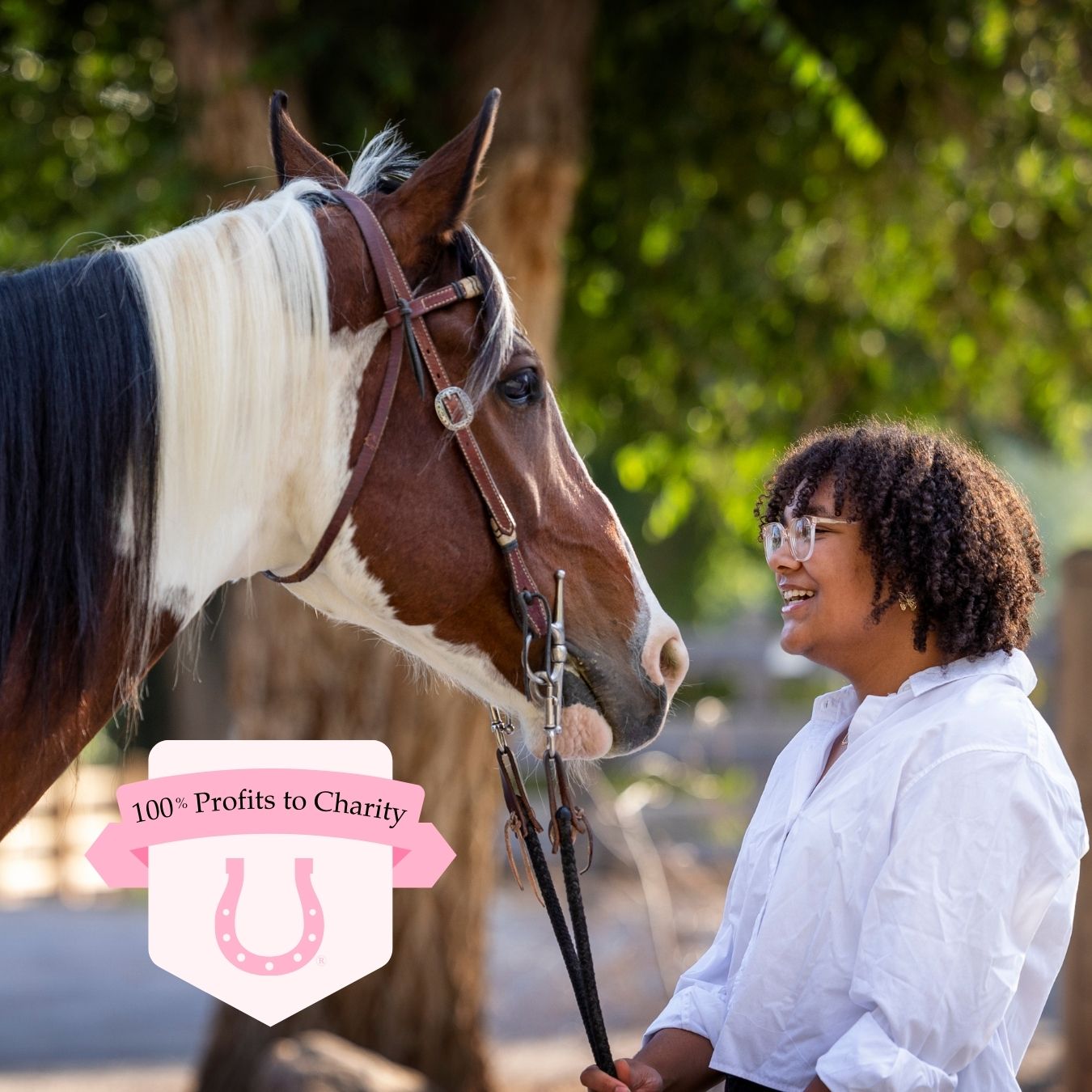
The giving angle matters too. A toy from a charitable store can carry a second story, because the purchase supports a larger mission as well as a child's play. That can make the gift feel more meaningful for grandparents, godparents, and friends who want the present to do a little extra good after it leaves the wrapping paper.
Easy gifting rule: small for parties, soft for comfort, detailed for birthdays, and sturdy for big milestones.
For families who want that gift-with-purpose approach, horse gift ideas for kids can help you compare options before you buy.
Your Quick Horse Toy Decision Checklist

If you're standing in a store or scrolling at bedtime, use this as your fast filter.
- Age match: Does the toy fit your child's current stage, not the stage they'll reach someday?
- Material safety: Is it sturdy, child-safe, and easy to clean?
- Play value: Does it invite open-ended play, or does it only do one thing?
- Space and storage: Will it fit your home without becoming a permanent obstacle?
- Growth potential: Can your child use it in a new way six months from now?
My short list stays practical. A child who loves quiet time may do best with a book and plush. A child who loves movement may need a rocking horse or ride-on. A child who spends hours inventing scenes will usually be happiest with figurines or a playset that leaves room for the story to grow.
Choose the toy that matches the way your child already plays, not the way the box says they should play.
If you want a horse gift that feels thoughtful, lasts through real play, and supports a charitable mission, visit Bridle Up Hope Shop and browse the horse toys, books, and gifts that fit kids by age, style, and play value. It's a good place to find something that's fun today and still meaningful a year from now.
Leave a comment