


Your child has probably already decided. They met a pony, watched a lesson, or came home from a birthday ride talking about horses non-stop. Now you're standing at the edge of a new world, trying to figure out what they need to wear and what can wait.
That first tack shop visit can feel confusing fast. Everything looks specialized. Some items seem optional until an instructor tells you they aren't. And because kids grow so quickly, it's natural to wonder how much to buy now, what to borrow, and where safety has to come before savings.
The good news is that English riding apparel for kids isn't a tiny niche with few options. The kids category is recognized as its own segment within the global equestrian apparel market, and the total market reached about USD 6.6 billion in 2024 according to Global Market Insights' equestrian apparel market analysis. In practical terms, that means there is a real industry built around making youth-specific riding gear rather than expecting children to make adult clothing work.
Table of Contents
- Your Child's First Ride Preparing for the Journey
- The Essential English Riding Starter Kit
- Getting the Perfect Fit for Safety and Comfort
- Beyond the Basics Schooling and Show Attire
- Riding Through the Seasons Layering and Fabrics
- Shopping Smart Budget Gifting and Care
- Common Questions About Kids Riding Apparel
Your Child's First Ride Preparing for the Journey
Most young riders don't care about terminology at first. They care about getting back on the horse. Parents, on the other hand, usually want to know what matters most before they spend money.
That instinct is a good one. The right clothing helps a child feel secure, move comfortably, and focus on listening to their instructor instead of tugging at sleeves, slipping in the saddle, or worrying that they look out of place.
Start with safety, then build confidence
A child who feels properly dressed usually walks into the barn a little taller. They aren't distracted by pinching seams or shoes that slide around in the stirrup. They can pay attention to simple but important tasks like holding the reins, finding their balance, and learning how to be calm around a horse.
Practical rule: Buy for safety and comfort first. Buy for style after those two boxes are checked.
That doesn't mean you need a full show-ring wardrobe on day one. It means each item should support the job your child is trying to do. A good helmet protects their head. Proper boots help their foot sit correctly. Riding pants reduce rubbing and bunching.
Keep the first shopping trip simple
For a first lesson, think in layers of need.
- Must have now: helmet, boots, and proper riding pants
- Helpful soon: gloves, half-chaps, weather layers
- Later if they continue: show clothes, extras for seasonal riding, backup items
If you're still sorting out the basics, this helpful guide to horse riding gear for kids is a useful companion to keep open while you shop.
Parents often assume that buying gear is just about following barn rules. It isn't. This is also the beginning of your child's partnership with the horse. Clothing that fits well and feels right can make those early lessons steadier, safer, and much more fun.
The Essential English Riding Starter Kit
If your child is taking their very first English lesson, you only need to focus on three core items. This keeps the process manageable and helps you spend money where it counts.

The one item that isn't optional
The helmet comes first. For youth riders, the acceptable standard is an ASTM F1163-certified riding helmet. These helmets are tested to withstand impacts up to 7.5 m/s, and the verified data provided for this article states they reduce head injury risk by 70% in pediatric falls, as noted in this ASTM F1163 helmet overview video.
A bike helmet isn't the same thing. It wasn't designed for the kinds of falls riders can have around horses, tack, and uneven footing. At the tack shop, check that the helmet is clearly labeled with the riding certification. Then have your child try it on with their hair how they'll normally wear it for lessons.
A well-fitted helmet should feel snug all around, not just tight at the forehead. If it wobbles when they shake their head, it's not the right fit.
The boots that make first lessons easier
The second item is a pair of paddock boots. These are short, ankle-height riding boots made for work in the stirrup and around the barn. They give more support and a more appropriate sole shape than sneakers.
New parents sometimes ask whether rain boots or fashion boots will work for a few lessons. I wouldn't recommend it. Riding boots are designed with riding position in mind, and that matters right away when a child starts learning how to keep their leg stable.
Riding pants aren't just for looks
The third item is jodhpurs or breeches. These pants are made to move with the rider and reduce rubbing against the saddle. Regular jeans often bunch behind the knee, and casual leggings may slide, twist, or wear out quickly under saddle.
For a beginner, soft and simple is usually best. You want stretch, a comfortable waistband, and fabric that doesn't fight the child's movement.
If you can only invest in one clothing category beyond the helmet, make it proper riding pants. Kids notice comfort in the saddle right away.
A small gift can still feel part of the riding ritual
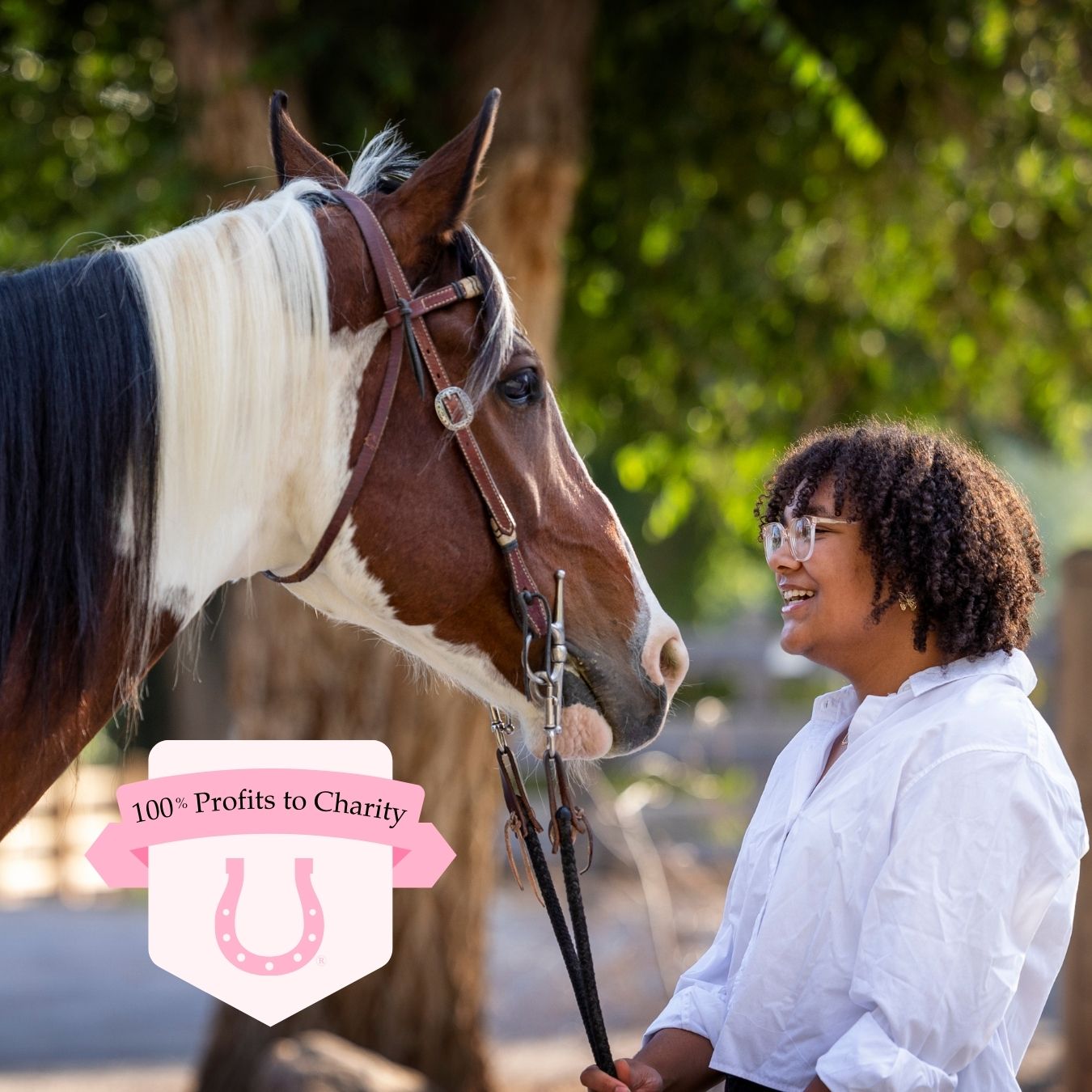
Not every purchase has to be lesson gear. Sometimes a child also loves having something horse-themed that celebrates the moment. One example is the This Princess Wears Boots Gift Set, which includes sage green socks with western boot and flower designs and a pink box sign that reads, “Forget Glass Slippers This Princess Wears Boots.” The socks are made from machine-washable cotton, nylon, and spandex, and the product details note that 100% of the profits from your purchase are donated to help the girls, women, and horses at the Bridle Up Hope charity.
That kind of item doesn't replace riding gear, of course. It just gives a horse-loving child one more way to feel connected to this new part of their life.
Getting the Perfect Fit for Safety and Comfort
Good fit isn't about a polished look. It's about whether your child can ride without distraction and whether the gear does its job when they move, post, steer, and dismount.
Poorly fitting apparel creates problems quickly. A helmet can shift. Boots can pinch or slip. Breeches can twist at the knee or ride up the leg.
Measure at home before you shop
You don't need special equipment. A soft measuring tape, a pair of thin socks, and a few quiet minutes are enough.
Here is a simple guide you can use before visiting a tack shop:
| Apparel Item | How to Measure | Key Fit Tip |
|---|---|---|
| Helmet | Measure around the widest part of the head, usually just above the eyebrows and around the fullest part at the back | The helmet should feel evenly snug and stay stable when the child moves their head |
| Paddock boots | Measure the foot while standing, wearing the socks they will ride in | Toes need room to wiggle, but the heel shouldn't lift excessively |
| Half-chaps | Measure calf width and lower leg height while wearing paddock boots | Match the shape to the child's actual leg, not the size they wear in regular clothes |
| Breeches or jodhpurs | Measure waist and inseam | Fabric should lie smooth through the leg without bunching behind the knee |
If you're considering lower-leg options for everyday lessons, this article on horse riding half chaps helps explain how they pair with paddock boots.
One youth detail parents often miss
For younger children, the lower leg of the riding pant matters more than many people realize. Verified guidance for this article notes that children under 11 to 12 should wear breeches with an elastic under-boot strap because it helps keep the pant leg from riding up and reduces the chance of snagging on tack during a fall, according to this parent guide for first English show attire.
That detail is easy to overlook on a rack. It shouldn't be.
Buy with growing room, but don't oversize safety gear
Parents are right to think ahead. Kids can outgrow clothing almost overnight. Still, there's a difference between allowing for growth and buying gear that's so large it stops working properly.
Use this approach:
- For helmets: fit the child now, not six months from now.
- For boots: allow sensible toe room, but don't choose a boot that slides around.
- For breeches: a little extra length can work if the lower leg stays neat and secure.
- For layered tops: mild growing room is usually fine because upper-body layers are more forgiving.
A child who isn't tugging, readjusting, or complaining can focus on learning. That's what good fit buys you.
Beyond the Basics Schooling and Show Attire
Once the starter kit is handled, most families begin to notice two different wardrobes taking shape. One is for regular lessons. The other is for formal competition.
That difference matters because children often ask for "show clothes" long before they need them. It's easier to decide what to buy if you separate schooling attire from show attire.

Schooling clothes for everyday learning
Schooling attire is what your child wears for lessons, practice rides, and time at the barn. The focus is function.
A typical schooling outfit may include:
- Riding gloves that help with grip and reduce rubbing on small hands
- Half-chaps worn over paddock boots to add lower-leg coverage
- A safety vest or body protector if the instructor recommends one for the lesson type
- A comfortable riding shirt that moves easily and layers well
This is the clothing kids live in while they develop balance, steering, and confidence. It doesn't need to look formal. It needs to let them work.
Schooling clothes should be sturdy enough for repetition and comfortable enough that your child forgets about them once they start riding.
Show clothes for a more polished standard
Show attire follows tradition more closely. It usually looks neater, more structured, and more uniform than everyday lesson wear.
In many English disciplines, a child's show outfit includes a collared show shirt, fitted show coat, tidy breeches or jodhpurs, and the appropriate boots for their division and age. Colors are usually conservative, and the overall look is clean and organized rather than flashy.
That shift can surprise families. They assume the same clothes from lessons can carry over into competition. Sometimes parts of the outfit can, but often a show day asks for more structure and a more formal appearance.
When to buy the next layer
You don't need to rush into extra apparel just because your child loves riding. Buy beyond the basics when one of these becomes true:
- Their instructor suggests it: This is usually the clearest signal.
- They are riding often enough to need duplicates: One pair of pants may no longer be enough.
- They've committed to a show: That's the time to confirm the exact dress expectations for their division.
If you're ever unsure, ask the barn before shopping. Every program has its own culture, and a quick question can save you from buying the wrong item.
Riding Through the Seasons Layering and Fabrics
Riding happens in weather that ordinary kids' clothes don't always handle well. One lesson might start chilly, warm up in the middle, and end with a breeze strong enough to make a child miserable if they're dressed wrong.

Warm weather riding
In hot conditions, look for tops and riding pants that feel breathable and easy to move in. Heavy, stiff fabrics can make a short lesson feel long. Children do better when clothing dries comfortably and doesn't cling once they start to sweat.
Keep summer riding simple:
- Choose lightweight layers: A light riding top is easier than a thick cotton shirt.
- Avoid bulky seams: Less rubbing means better focus in the saddle.
- Plan for sun exposure: Long sleeves in breathable fabric can be more comfortable than repeated sunscreen battles on some days.
Cold weather riding
Winter dressing works best in thin layers rather than one huge coat. Children still need to bend their elbows, shorten their reins, and sit correctly. If a jacket is so puffy they can't move, it gets in the way of learning.
Use a three-part system:
- Base layer: close-fitting and comfortable
- Mid-layer: warmth without too much bulk
- Outer layer: weather protection that still allows movement
This quick video gives a visual sense of practical layering ideas for riding days:
Fabric choices that make life easier
Parents often buy by appearance first. For riding, touch and movement matter more. Stretch, softness, and easy wash care usually beat anything stiff or fussy.
If your child complains about riding clothes, the issue is often fabric rather than the activity itself. A scratchy seam, a hot shirt, or a jacket that catches at the shoulders can sour a lesson before the horse even leaves the rail.
Shopping Smart Budget Gifting and Care
Your child does not need a perfect riding wardrobe on day one. A steady, sensible approach usually works better. Families often start with one safe set for lessons, add pieces as riding becomes a real habit, and save the bigger purchases for the items a child will use often enough to justify them.
That slower approach does more than protect your budget. It gives your child time to grow into the sport, and it lets you see what helps them feel comfortable and confident at the barn.

What to buy new and what can be secondhand
A good rule for new parents is simple. Buy the helmet new. Treat it like a car seat. Its job is protection, not appearance, and you need to know its history.
Secondhand shopping can work well for many other pieces if you inspect them with a careful eye. Breeches, show coats, lesson shirts, and half-chaps are often reasonable used buys when the fabric still has stretch, the closures work, and the shape has not been pulled out by wear. Boots need a closer look because small fit problems become big comfort problems once a child is in the saddle.
Use this checklist in the tack shop or at a resale sale:
- Helmet: buy new
- Breeches and shirts: fine used if the fabric is sound and the seams lie flat
- Show coats: often good secondhand because children may wear them only occasionally
- Half-chaps: check zippers, stiffness, and rubbing points
- Boots: inspect soles, ankle support, and overall shape before calling them a bargain
A cheap item that pinches, slips, or distracts your child during a lesson usually costs more in the long run because it needs replacing so quickly.
Spend where it matters most
Parents often ask where to save and where to spend. Start with the pieces that affect safety, fit, and repeated use. Save on the occasional extras.
For many beginners, that means putting more of the budget toward a properly fitted helmet and comfortable boots, then being flexible with lesson shirts, outer layers, and show clothing that may be used less often or outgrown quickly. If you want help comparing labels and price points before you buy, this guide to equestrian apparel brands can give you a clearer starting point.
That kind of shopping teaches a useful riding lesson too. Good horsemanship is rarely about buying the fanciest option. It is about choosing the right tool for the job.
Make gear last longer
Children ride hard, play hard, and forget things in the car. A simple care routine keeps gear comfortable and ready for the next lesson.
- Air out clothing and gloves first: damp gear stored in a bag can get musty fast
- Wash according to fabric needs: technical pieces usually prefer gentler care than regular cotton
- Close zippers and fasteners before washing: this helps fabrics keep their shape
- Store boots upright: they are easier to inspect, and they hold their form better
- Check fit every few weeks: children can outgrow gear unnoticed, then complain only after several uncomfortable rides
One small routine after each lesson often saves more money than a clearance sale.
Gifts that support the riding journey
Good riding gifts do not always need to be saddle-ready. Horse books, boot socks, a hair accessory for shows, or a barn sweatshirt can help a child feel that riding is part of who they are becoming. That matters. Children often stand taller when they feel prepared and included.
Some families also like to choose gifts that carry a wider purpose. Bridle Up Hope Shop offers equestrian merchandise such as apparel, books, toys, accessories, and home goods, and the publisher states that annual net profits support the Bridle Up Hope foundation. For group gifts, team sweatshirts, or barn event wear, some parents also look into understanding custom apparel options to compare ways to outfit riders and supporters.
The best purchases usually do two jobs at once. They keep a child safe and comfortable now, and they build the confidence that helps them keep showing up, learning, and enjoying the ride.
Common Questions About Kids Riding Apparel
Can my child wear leggings or jeans to a first lesson?
Sometimes a barn will allow very basic substitutes for a one-time introductory ride, but proper riding pants are the better choice as soon as lessons become regular. Jeans can rub and bunch. Everyday leggings may not stay in place or hold up well under saddle.
What's the difference between paddock boots and tall boots?
Paddock boots are short boots that reach the ankle. They are common for beginners and younger riders. Tall boots cover the lower leg and are more formal in appearance, often becoming part of show attire or a later step as a child progresses.
How do I know when my child has outgrown their gear?
Look for practical signs. A helmet that no longer sits correctly, boots that pinch or cause the toes to curl, and breeches that pull, twist, or ride up are all signs it's time to refit. If your child starts fussing with gear during every lesson, pay attention.
Should I buy everything at once?
No. Start with what your child needs for safe, comfortable lessons. Add extras once riding becomes a steady part of family life. That approach usually leads to better decisions and less wasted money.
If you're building your child's first riding setup or looking for a horse-themed gift that supports a larger mission, Bridle Up Hope Shop is one place to explore. The store carries equestrian merchandise for women, children, babies, and the home, and the publisher states that 100% of annual net profits support the Bridle Up Hope foundation's work with girls and women through horses and habits.
Leave a comment