


Western attire is practical 19th-century American West workwear that grew into a recognizable style category, and today the market behind it is large enough to be measured in the billions. If you're staring at a saddle rack, a stack of jeans, and a hat brim and wondering what counts, you're not alone.
Maybe you love horses, maybe you've been invited to a western-themed event, or maybe you just keep seeing snap shirts and boots in stores and want the full story. The tricky part is that Western attire isn't just one outfit. It's a whole clothing system with roots, rules, and a clear line between authentic wear, costume, and fashion revival.
Table of Contents
- A Working Definition You Can Actually Picture
- How Western Attire Grew From Ranches to Rodeos to Mainstream
- The Signature Garments and Why They Look the Way They Do
- Western vs English Riding Style and How to Tell Them Apart
- Choosing the Right Outfit for Riding, Show, and Casual Wear
- Styling Western Attire for Women, Kids, and Babies
- Where Authentic Western-Style Equestrian Pieces Come From
- Common Misconceptions That Lead Shoppers Astray
A Working Definition You Can Actually Picture
At dawn, a rider reaches for a snap-front shirt, pulls on denim that can take a scuff, and tips a hat before stepping into a barn aisle that smells like leather and dust. That scene tells you almost everything you need to know about Western attire, because this style began as clothing for ranchers, cowboys, and frontier laborers who needed gear that could move, breathe, and survive hard use.

What makes it Western
The clearest working definition is simple. Western attire is clothing born on ranches and frontier work sites that puts mobility, sun protection, and durability first, then picked up a strong visual identity over time. Historical accounts place key milestones in the 1860s and 1873, including the Stetson hat from the 1860s and Levi Strauss jeans from 1873, both valued because they handled sun and hard labor well. The history of Western wear
That's why the category still centers on things like denim, boots, snap shirts, and hats. They weren't invented to look rustic on purpose, they were built to do a job first. The style comes from use, not from a costume designer's sketch.
Practical rule: If the garment seems engineered for riding, hauling, bending, or standing outside all day, you're probably looking at Western logic at work.
Why it feels different from a costume
A costume borrows the surface details. Western attire carries the construction underneath. A themed outfit might use a hat and boots for effect, but authentic Western wear usually has the rest of the system in place, the yoke, the long sleeve, the sturdy fabric, the closure that won't snag in a pen.
That's why a horse lover can spot it even before naming it. The shape reads functional. The clothing looks like it expects motion, weather, and real work. Once you see it that way, Western attire stops being a vague aesthetic and starts looking like a practical wardrobe with a very clear heritage.
How Western Attire Grew From Ranches to Rodeos to Mainstream
A ranch shirt soaked in dust can end up in a movie scene, then on a city sidewalk. Western attire followed that path over time, and each stop changed how people read it. The clothes stayed practical, but their meaning widened as riders, performers, and screen images kept putting them in front of new audiences.

The earliest version was plain work clothing. Ranch hands needed garments that could stand up to sun, dust, and constant movement, so hardwearing hats, denim, and sturdy shirts became part of daily life. Rodeo culture then gave those same pieces a public stage, which made the look easier to recognize far beyond the range. Film and television widened that reach again, especially through singing cowboys and other screen figures who wore Western clothes as part of a larger American story. History of Western wear
Why one hat and one pair of jeans mattered so much
The Stetson hat became important because it solved a real problem. It offered shade, handled weather, and held its shape in hard use. Levi Strauss jeans earned a similar place by holding up under rough conditions, where lighter trousers would wear out too quickly. Once riders, workers, and performers all wore the same practical pieces, those garments started standing in for the whole style.
That is why Western attire feels so grounded even now. A piece that begins as work gear usually keeps its credibility after it becomes fashionable. A hat, a pair of boots, or a well-cut denim shirt can still signal ranch roots without looking like a stage costume.
Why the category keeps returning
Western wear also keeps showing up in the market because people still buy it for more than novelty. Analysts at one industry source report a large Western wear market with steady growth, and they also note that women make up a meaningful share of purchases. Western wear industry statistics
Those numbers match what shoppers already see in stores. Western clothing still offers a mix of heritage, function, and everyday wearability, so it keeps finding room in closets that want something sturdier than a trend piece. A rider can wear it in the barn, a festival guest can wear it with intention, and a casual shopper can use one well-chosen item without looking like they borrowed a costume from a dress-up rack.
If you want to keep the look rooted in real use, start with a piece that still behaves like riding clothing. western riding apparel usually gives you that balance, because the shape, fabric, and closures still follow the old work-first logic.
A small style note helps here too. The après-adventure button up style shows how Western details can move into daily wear without losing their identity. The shirt still reads Western because it keeps the structure, but it feels easy enough for errands, dinners, or time around the barn.
The Signature Garments and Why They Look the Way They Do
A Western outfit starts to make sense once you look at each piece as a tool first and a style marker second. The shapes are not random, and the details are not there just to sit pretty on a rack. They help with riding comfort, keep fabric from snagging as easily, and give some protection from sun, brush, and weather.

Functional Pieces
A cowboy hat is usually the first piece people notice. It shades the face, helps in changing weather, and gives the outfit its Western read right away. Cowboy boots do another job. They support riding, protect the foot, and create the long, tapered line many people expect from the style. The boot is not just a decorative shoe, it is equipment that happens to look iconic.
Denim jeans sit at the center of the category for a reason. As noted earlier, denim remains one of the most common Western wardrobe choices, and that matches what shoppers see in real closets. Denim holds up, gives coverage, and stands up better to abrasion than many lighter fabrics. For a rider, that means a pair of jeans can move from barn chores to town without feeling out of place.
Snap-front shirts are popular because the closure works quickly and cleanly. In a working pen or barn setting, snaps are easier to open than many buttons, and they reduce snag points on the fabric. The classic yoke across the front and back helps spread stress across the shoulder line, which is why Western shirts look shaped instead of boxy. The garment is made to move with the person wearing it.
Field note: If a shirt has a yoke, long sleeves, and snap closures, it is usually reaching for Western function even when the print is more fashion-forward.
Why the fabric and trim choices matter
Western clothing often uses denim, chambray, or leather because those materials handle repeated wear well. Tightly woven or knitted fabrics are often chosen for durability, and cotton or cotton-poly blends are common for shirts and blouses because they wash well and help with moisture. Slippery satin-like fabrics can borrow the look, but they do not match the core purpose as well, which is why they may read as Western-inspired without behaving like true Western wear. Western wear fabric and construction guidance
Fringe has its own story too. It is often decorative now, but in the Western wardrobe it still points to movement and frontier style. If you want a practical example of how that idea can carry into everyday wear, a well-made Western riding apparel piece shows how the same work-first thinking can translate into clothing that still feels right in the barn, on the trail, or in town. The après-adventure button up style follows that same idea, keeping the structure of Western clothing while staying easy enough for errands, dinners, or time around horses. For a modern example of that kind of styling, see après-adventure button up style.
One simple way to judge a garment is to ask whether the details help the body. If the shirt, boot, or jacket keeps the rider comfortable and lets the clothing move with the person, it belongs to the Western tradition for a reason.
Western vs English Riding Style and How to Tell Them Apart
Western and English riding styles can look related from a distance, but they read differently the moment you look at the rider's feet, seat, and headwear. The easiest way to tell them apart is to compare the whole outfit, not just the hat or boots.
| Element | Western Attire | English Riding Style |
|---|---|---|
| Footwear | Cowboy boots with a defined heel | Tall boots or paddock boots made for close contact |
| Lower half | Jeans or Western-cut riding pants | Breeches or jodhpurs |
| Headwear | Hat is common in Western settings | Helmet is standard in most English disciplines |
| Shirt | Snap-front, yoke-front, or Western blouse | Tailored show shirt or schooling top |
| Overall feel | Rugged, utility-driven, often looser | Close-fitting, disciplined, streamlined |
| Setting | Ranch work, rodeo, trail, casual Western dress | Hunt seat, dressage, jumping, and other English disciplines |
What the rider sees first
Western dress usually gives you a hat, a sturdier shirt, and jeans or Western-cut trousers. English dress tends to keep the line closer to the body, especially through the leg, because breeches and tall boots are designed for a different riding feel. That distinction matters if you're trying to understand why one look reads “Western” and the other doesn't.
The right comparison also helps when you shop across categories. A rider can like both traditions, and many do. If you're browsing more English-leaning outfits, the equestrian style clothing resource can help you see how that world frames fit and formality. If you want a more rider-specific Western reference, the shop's Western riding apparel guide gives you another point of comparison.
Where the lines blur
The confusion usually starts when Western pieces show up in everyday fashion. A denim shirt, a belt buckle, or a pair of boots can be worn outside the arena without being full Western dress. The item becomes Western through context, shape, and pairing, not just because it has a rustic detail.
That's why a hat alone doesn't make an English outfit Western, and jeans alone don't make a look ranch-ready. The style comes from the whole system. Once you start checking the feet, seat, and shirt together, the difference gets much easier to read.
Choosing the Right Outfit for Riding, Show, and Casual Wear
Western attire changes with the setting. A barn morning, a show pen, and a family barbecue each ask for a different level of polish, and the smartest outfits respect that. The clothes can still be Western in every case, but the balance of function and decoration shifts.
For riding and barn work
Choose pieces that move well and don't catch. Jeans, sturdy boots, and a shirt with a secure front are the safest everyday base. Pants should sit slightly longer at the back so they work over boots when riding, which is one of those small details that makes a big difference in the saddle. The CSU Extension guidance also treats Western wear as suitable for casual, dressy, and recreational sport settings, which is exactly why the same wardrobe can cross between chores and social plans. Western wear wisdom from CSU Extension
Practical rule: If you're going to ride, choose fit and function first, then add style after the clothing has done its job.
For shows and Western events
Competition and event dressing usually calls for more coordination. That doesn't mean head-to-toe costume. It means a cleaner silhouette, intentional colors, and pieces that look finished rather than thrown together. A well-cut snap shirt, clean denim, polished boots, and a good hat can read far more authentic than an overdone themed look.
For casual life outside the arena
Western style becomes easy to wear. One strong piece is enough. A Western shirt with standard jeans, a denim jacket over a plain dress, or boots paired with a simple sweater all bring the style into daily life without turning you into a costume. The fashion revival around Western looks has made this kind of pairing feel natural again, especially for shoppers who want a nod to the West without dressing for a rodeo.
If you want a useful caution, keep it simple. Too many themed pieces at once can tip the outfit into dress-up. One or two authentic Western elements usually looks more confident than a full matching set.
Styling Western Attire for Women, Kids, and Babies
Western style works best when it matches the wearer's age, activity, and comfort level. For women, that might mean a blouse and boots. For kids, it means safe, easy-to-move-in pieces. For babies, it means soft clothing with Western flavor, not miniature adult outfits that fight their bodies.
Women's outfits that feel wearable
A woman can build a strong Western look from a few reliable pieces. Start with a good shirt, add denim or a skirt that moves, then finish with boots or a belt. A Western riding apparel for women guide can help if the goal is to blend barn function with a clean everyday look, and that same logic carries into casual wear. Western riding apparel for women
For a practical shopping path, Bridle Up Hope Shop is one place that carries Western-style and English-style equestrian goods alongside women's apparel, accessories, and gifts. It's a fact-based example of how the category gets curated for shoppers who want horse-related clothing without hunting across a dozen stores. The shop also offers a broader mix of jewelry, hats, belts, boots, and apparel, so a buyer can choose one Western piece and build from there.
Kids and babies
For children, comfort comes first. Soft shirts, easy waistbands, and properly sized boots or hats matter more than extra decoration. Little kids don't need a full cowboy image to look Western. A plaid shirt, denim bottoms, and a tiny boot can say plenty.
For family dressing, matching pieces can be fun when they stay practical. If you're shopping for coordinated looks, a find matching mommy and me looks resource can help you think about pairings without copying a costume formula. That same idea works well with horse-loving families, where one strong Western detail can connect the whole outfit.
A simple family formula
- Women: one structured Western piece, like a snap shirt, belt, or boots.
- Kids: durable basics with one obvious Western cue, like denim or a hat.
- Babies: soft fabrics, easy closures, and minimal fuss.
The goal isn't to make everyone match perfectly. The goal is to keep the look comfortable, age-appropriate, and clearly rooted in the Western wardrobe.
Where Authentic Western-Style Equestrian Pieces Come From
A real Western piece usually gives itself away before you even put it on. The fabric has some weight, the stitching looks clean, and the shape feels built for regular wear, not for a one-night outfit. A shop with good curation makes that difference easier to spot, because heritage-inspired clothing and cheap costume pieces often separate at the seams.

What to look for in a real piece
Start with the seams, closures, and fabric. A shirt with a shaped yoke, sturdy snaps, and material that keeps its shape is much more likely to behave like true Western wear. A boot that feels floppy or a shirt that feels slick and fragile is usually borrowing the look without carrying the purpose behind it.
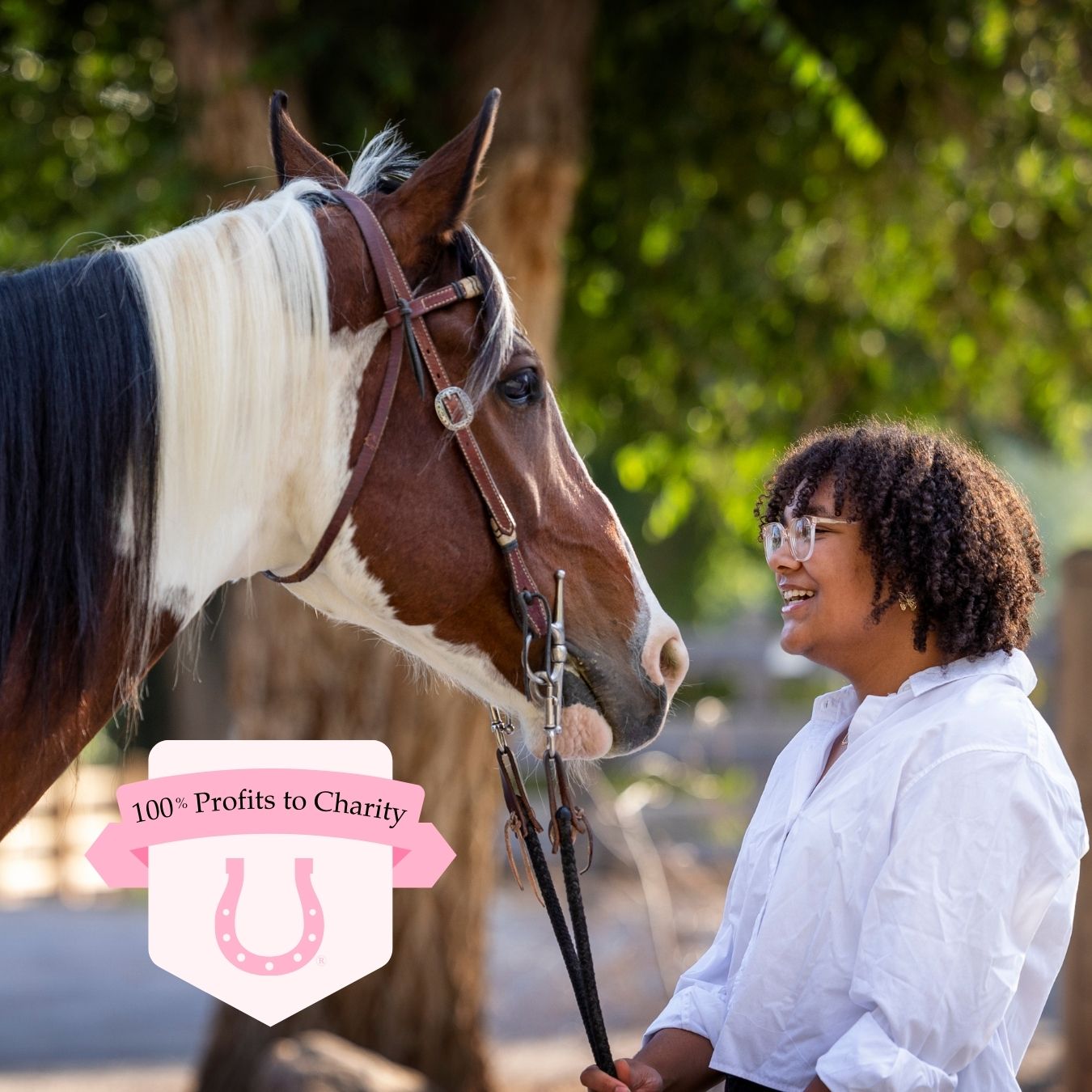
A good source should help you find pieces that fit the life you live, whether you are shopping for riding clothes, gifts, or everyday wear. Bridle Up Hope Shop gathers horse-themed goods for women, children, babies, and the home, and it serves both English and Western aesthetics in one place. It also follows a charitable model, donating 100% of annual net profits to the Bridle Up Hope foundation, and its catalog includes 700+ products with free shipping on orders over $99 to U.S. states and territories. Bridle Up Hope Shop
Why curation matters
Western attire can slip from practical to overly styled very quickly. A well-curated store helps keep you on the useful side of that line by offering pieces that fit horse life instead of a theme-party version of it. That matters for shoppers who want clothing that can go from barn chores to dinner without losing its shape or its place in the wardrobe.
Buying with purpose starts with the source as much as the style. A strong Western wardrobe should feel like something you will wear, not something that only comes out for costume holidays.
Common Misconceptions That Lead Shoppers Astray
The first myth is that Western attire is just costume. It isn't. True Western clothing came from work needs, and that's why the details still make sense today. The second myth is that it's only for men. Women's Western wear has been part of the category for a long time, and modern purchases show the audience is broader than the old ranch stereotype.
The third myth is that authenticity has to be expensive. It doesn't. A well-made shirt, a practical pair of boots, or a good denim piece can carry the look without a fancy price tag. The fourth myth is that Western clothing only works in rural settings. It doesn't. A single Western piece can sit comfortably in an everyday outfit, especially when the rest of the look stays simple.
If you're breaking in boots, wear them with the right socks and give them time. Wash denim according to the care label so the fabric keeps its shape. Store hats so the brim stays clean and the crown doesn't get crushed. Small habits like those keep the wardrobe usable far longer than trend-only pieces usually last.
If you want Western pieces that fit real horse life, gift-giving, and everyday wear, take a look at Bridle Up Hope Shop. You'll find equestrian apparel, accessories, and horse-themed goods that connect nicely to this style without forcing it into costume territory. It's a practical place to browse if you're ready to build a Western wardrobe with purpose.
Deje un comentario