


You typed sponsoring a horse because you want your money to do something concrete, not disappear into a vague feel-good page. Good instinct. The problem is that the phrase covers three very different worlds, rescue support, competitive rider backing, and event title sponsorship, and if you don't separate them fast, you'll compare the wrong options and overpay for perks you'll never use.
If you care about impact, treat this as a values-and-budget fit decision, not a sentimental purchase. The right choice depends on whether you want to support a horse's care, help a rider compete, or put a brand name on an event. The wrong choice wastes time, confuses expectations, and usually leads to disappointment.
Table of Contents
- What Sponsoring a Horse Means Today
- The Three Core Models of Horse Sponsorship
- Choosing a Program or Charity Worth Your Money
- Typical Sponsorship Tiers and Costs You Can Expect
- How the Sponsorship Process Actually Works
- Legal, Tax, and Welfare Questions Smart Sponsors Ask
- Sample Scenarios, FAQs, and Your Next Move
What Sponsoring a Horse Means Today

A search for sponsoring a horse usually turns up a jumble of very different offers. Some pages ask for monthly help with a rescue horse, some pitch rider sponsorship, and some sell race or event naming rights. Those are separate arrangements, and if a program blurs them together, treat that as a warning sign.
The three meanings of the phrase
Rescue and sanctuary sponsorship is the version most individual donors mean. You choose a horse, or the organization matches one to you, and your money helps cover feed, grooming, farrier care, and medical support. It usually comes as a recurring donation with an emotional connection attached, but it still needs clear financial reporting.
Competitive rider sponsorship is commercial support for a person, not a horse. The sponsor helps cover travel, training, tack, or show costs, and the return is visibility, logos, and relationship value. That sits much closer to marketing than charity.
Event or title sponsorship sits at the top of the commercial ladder. The sponsor pays for naming rights, festival placement, or race branding, like the long-running Seagram Grand National example and the modern race partnerships documented in horse-racing sponsorship coverage The history and scale of horse-racing sponsorship examples.
Practical rule: if the page talks more about exposure than horse care, you are looking at a brand deal.
This article focuses on the first path for private donors, then uses the commercial models as comparison points so you do not mix up donation, symbolic adoption, and sponsorship. That distinction matters because the money flow, the expected return, and the ethical question all change depending on which model you are funding.
The equestrian audience is large and commercially attractive. The United States Equestrian Federation sponsorship summary says many riders and horse owners have significant spending power, and that buyers respond well to companies that sponsor equestrian events US Equestrian Federation sponsorship summary. That is why the category pulls both donors and brands, but you should still choose with discipline, not romance.
The Three Core Models of Horse Sponsorship
A smart sponsor starts with one question: who gets the primary benefit. If the answer is the horse, you are looking at rescue or sanctuary support. If the answer is the rider, it is a commercial sponsorship. If the answer is the organizer or race, it is event branding.
How each model works in practice
| Model | Typical Sponsor | Typical Cost | What You Receive |
|---|---|---|---|
| Rescue or sanctuary sponsorship | Individual donor, family, or horse lover | Usually recurring monthly or annual support, amount varies by program | Updates, naming recognition, a story you can follow |
| Rider sponsorship | Small business, brand, or local supporter | Budget depends on athlete level and exposure needs | Logo placement, public mention, relationship access |
| Event or title sponsorship | Corporate sponsor or major backer | Can reach major-market levels in racing and festival partnerships | Naming rights, visibility, and broad audience reach |
A rescue sponsorship is the cleanest fit for someone who wants to support a horse directly without trying to own the relationship. The organization may send monthly photos, a stall plaque, or a welcome packet, but the value is care for a specific animal. That setup works best when the sponsor is comfortable with recurring giving and modest perks. It also matches the values-and-budget fit question better than a lot of glossy program pages do.
A rider sponsorship works differently. The horse is part of the story, but the sponsored person is the asset. You are usually backing training, travel, or show expenses, and the return is brand presence. That is why this model makes sense for a business that wants exposure, not for someone who just wants to help a horse. If you are trying to compare offers side by side, proposal templates for nonprofit funders can help you see how much of the package is mission support and how much is marketing.
Event sponsorship sits at the commercial end of the spectrum. The Grand National's title sponsorship history shows how long these deals can last, and modern UK horse-racing sponsorship has reached multimillion-dollar levels, including a $10 million Cazoo deal with The Jockey Club in 2021, a $1.5 million sponsorship with Arena Racing Company, and a $2.0 million Cheltenham deal for Sky Bet. That scale matters because it shows exactly where a modest donor budget belongs, and where it does not.
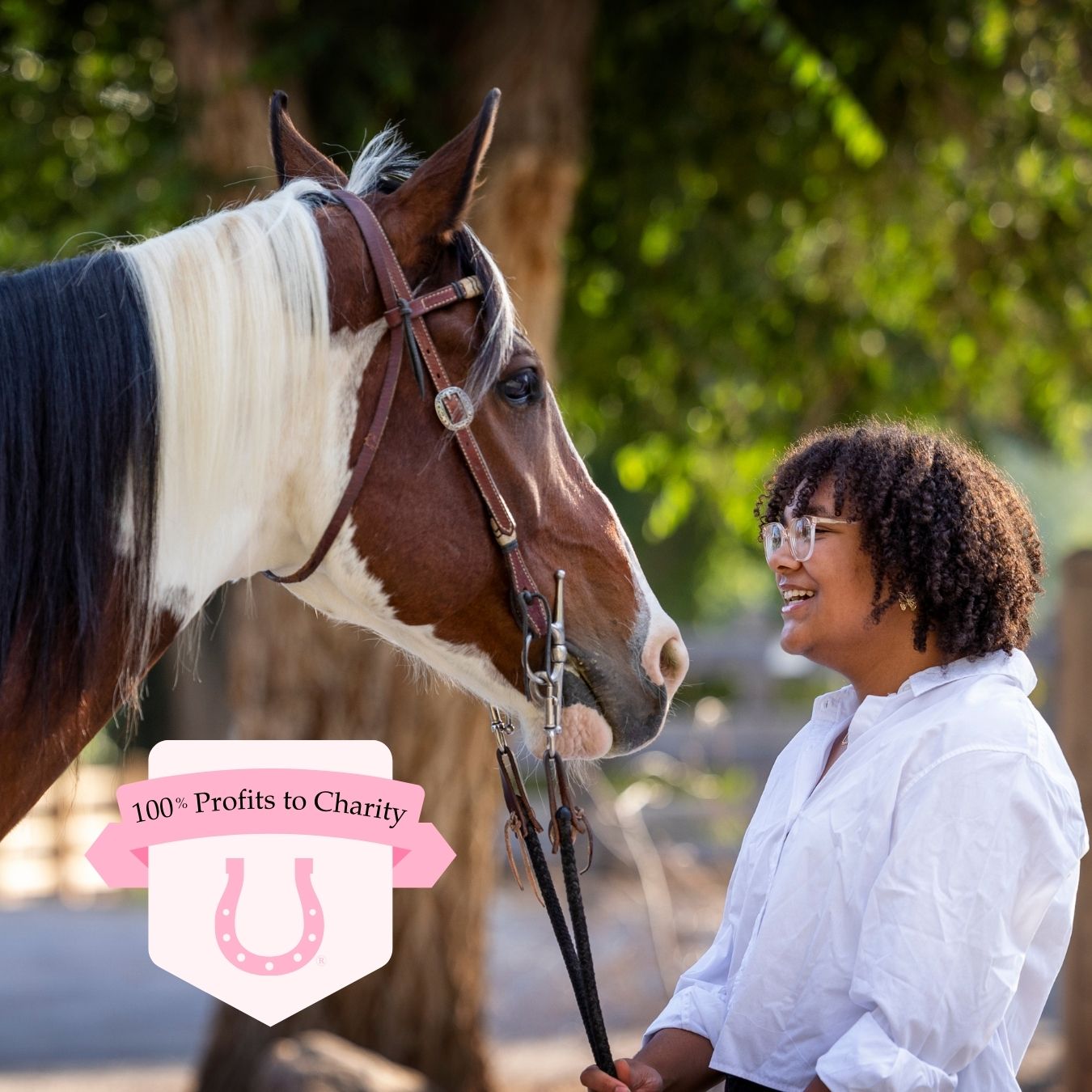
Bridle Up Hope is a useful reference point because it makes the mission clear. Its shop model states that 100% of annual net profits are donated to the Bridle Up Hope foundation, which supports girls and women through horses and habits. That does not make every horse program identical to it, but it does show the standard donors should demand. Define the mission, define the flow of funds, and do not accept confusion where stewardship should be plain.
A clean sponsorship model also helps you judge the welfare question. If a page is focused on horse care, you should see care as the primary purpose. If the page is focused on attention, logos, or audience reach, you are looking at a marketing deal with a horse attached. Treat that distinction seriously, because it changes what your money is doing and who benefits first.
Choosing a Program or Charity Worth Your Money
Don't sponsor a horse just because the photos are cute. Start with transparency. If a program can't tell you what your money covers, then it's asking for trust without earning it.
What to look for before you commit
The best programs explain where money goes, not just that it helps. You want to see a clear story around food, grooming, medical care, sanctuary costs, or therapy support, plus some sign that the organization understands the difference between a donation and a sponsorship package. The weak pages say “support our horses” and stop there.
A stronger operation tells you whether the arrangement is a symbolic adoption, a recurring gift, or a fee-for-service support model. That matters because donors need to know whether they're buying recognition, funding care, or underwriting a program. Many pages never define the terms, which leaves sponsors guessing about value.
Bridle Up Hope is useful context here because its shop model is explicit, 100% of annual net profits are donated to the Bridle Up Hope foundation, which supports girls and women through horses and habits. That doesn't make every horse program identical to it, but it does show the kind of clarity donors should expect: defined mission, defined flow of funds, no mystery about where profits land.
If a sponsorship page won't show basic financial logic, treat it as a marketing page, not a stewardship page.
Red flags are easy to spot once you know them. No budget breakdown, no explanation of what “sponsoring” means, no update cadence, and no written policy on what happens if a horse is adopted or leaves the program. Those are all signs the program wants recurring money more than accountable partners.
If you need a practical reference for drafting donor outreach questions, proposal templates for nonprofit funders can help you shape the inquiry. Use the structure, then insist on real answers, not polished fluff.
Before you send money, be able to answer these questions:
- What exactly does my money cover?
- Is this a donation, a sponsorship, or a symbolic adoption?
- Do they show budgets or at least expense categories?
- How often will I get updates, and from whom?
- What happens if the horse is adopted, retired, or passes away?
Typical Sponsorship Tiers and Costs You Can Expect
Most sponsorship tiers are built to make you feel like you're getting something tangible. Sometimes that's reasonable. Sometimes it's just a nicer label on a donation. Read the tier, then read the fine print.

Rescue tiers versus commercial tiers
For rescue and sanctuary programs, the bottom tier is usually a symbolic feed-and-care contribution. It's the cleanest entry point if you want to help but don't need a lot of recognition. Mid-tier options often add your name on a stall plaque, photo updates, or a welcome note. Higher tiers may cover more of a horse's ongoing care or special medical needs, and some organizations frame that as annual support rather than a monthly gift.
The commercial side works differently. Rider sponsorship commonly trades money for visible placement on tack, apparel, or event materials. Event sponsorship goes broader, with title rights, festival links, or presenting-sponsor language. The bigger the audience, the more the sponsor pays for reach and naming power.
If you're trying to estimate whether a rescue tier is fair, compare it against the kind of care the program says it provides. The article on equine expenses at horse riding costs is a useful reminder that horse care isn't cheap, and even basic ownership involves a stack of recurring costs. That's exactly why vague “support levels” don't impress me. I want to know what's covered, not what sounds generous.
For a separate lens on why vet bills are so hard to pin down, the transparent breakdown at transparent vet pricing data is a helpful benchmark. Use that mindset when you review a horse sponsorship page, if the organization won't name the cost drivers, don't assume the top tier is automatically better.
If the tier is more expensive than your budget, don't stretch just to get a plaque or a postcard. A smaller recurring gift you can keep for a year is better than an ambitious pledge you cancel in three months.
How the Sponsorship Process Actually Works
The process should feel organized, not improvised. Good programs explain what happens before you give, what happens when you sign, and how communication works after the first payment clears.
Before, during, and after the signup
Before you commit, the organization should help you choose a horse or match you to one that fits your intent. That can be a named rescue horse, a sanctuary animal, or a specific rider or event if you're on the commercial side. For rider and event outreach, the best practice is to start 6–10 months in advance, build a targeted prospect list, and tailor the ask to the sponsor's audience and budget sponsorship outreach guidance.
During signup, you'll usually complete an application or recurring donation form and then receive a confirmation or welcome packet. Rescue programs may ask for a sponsorship level, a recurring monthly pledge, or a volunteer gate before matching you with a horse. One rescue model uses 3 months of volunteering before matching to reduce mismatch risk and build a durable bond sponsor-a-horse process example.
After you're in, good communication is consistent but not intrusive. In the first 90 days, I'd expect a clear acknowledgment, a real photo or update, and a simple explanation of when updates arrive. If visits are allowed, the policy should be written. If they aren't, the program should say so plainly.
Good communication is boring in the best way. It's predictable, specific, and never makes you chase for basic information.
If the program sends stories, progress notes, or photos, that's useful. If it only sends emotional appeals for more money, the relationship is weak. And if the horse is changed, adopted, or retired, the organization should tell you directly rather than letting you find out by accident. One Bridle Up Hope Shop item that fits this same memory-keeping mindset is the Equestrian Bit Photo Frame, a 4 x 6-inch aluminum frame with built-in mounting hardware and an easel back, offered with all profits donated to the Bridle Up Hope charity.
A short note on media, because this matters in real life.
The main thing to watch is whether the organization behaves like a steward or a fundraiser. Stewards tell you what's happening. Fundraisers keep you waiting.
Legal, Tax, and Welfare Questions Smart Sponsors Ask
The tax question is simpler than most websites make it sound. If you give to a true charity and receive no meaningful perks, it may be treated as a donation. If you get something back, the charitable value can be reduced, so ask for an acknowledgment letter that spells out what was given and what, if anything, was received in return. Commercial rider sponsorships are different again, they're usually a marketing expense, not a donation.
Ask about outcomes, not just feelings
The more important question is welfare. Sponsorship pages love the emotional story, but that doesn't prove the horse is better off. Some programs use sponsorship to fund rescue, sanctuary, or therapy care while a horse waits for adoption or stays non-rideable. That can be a genuine welfare intervention, but the page should say so clearly.
Most pages still don't answer the hard questions. You should ask whether the program tracks adoption rates, veterinary coverage, or any other outcome that shows the sponsorship is doing more than improving donor retention. If they can't speak to outcomes, then the relationship is mostly fundraising with a horse-shaped wrapper.
Transparency isn't a bonus feature here. It's the whole point.
The strongest programs tell you what happens if the sponsorship ends, if the horse is adopted, or if the horse retires permanently. They don't assume your heart will fill in the blanks. That's the standard I'd use before I'd give again.
For a mission-driven reference point, the Bridle Up Hope product page Stable, a Therapist, and the Healing Nature of Horses shows how horse-centered messaging can be tied to a defined cause rather than a vague appeal. Even then, the right question stays the same, what concrete outcome does my money support?
If you want to sponsor smartly, ask for three things in writing, proof of charitable status if it applies, the tax-deductible amount if perks are included, and a plain explanation of what happens to the horse and the money if the arrangement changes. Anything less is a guess.
Sample Scenarios, FAQs, and Your Next Move
A parent sponsoring a rescue pony for a modest monthly amount is usually buying a lesson in stewardship for a child, not a status symbol. A small business backing a local rider wants visibility, so logo placement on a saddle pad makes sense. A foundation looking at a mission-aligned program like Bridle Up Hope should care less about merch hype and more about whether the structure supports the foundation's work clearly and consistently.
The right question is always the same, does the sponsorship match the goal?
One useful story-driven resource is Brave, Old Blue, a Horse Rescue Story, which fits the rescue-and-care mindset better than a generic fundraising page. It's the kind of item that helps donors connect the emotional and practical sides of horse support without confusing the two.
FAQs
- Can I cancel or transfer a sponsorship? Check the written policy before you sign. Good programs explain it plainly.
- Can I visit the horse I sponsor? Sometimes, but only if the organization allows it and sets boundaries.
- What if I'm worried about transparency? Ask for budgets, care details, and written acknowledgment. If they dodge, walk away.
- What happens if the horse is adopted or passes away? The organization should tell you and explain whether your support moves to another horse or ends.
Save this checklist before you commit:
- Match the model to your goal
- Read the budget or ask for it
- Confirm the update cadence
- Ask about tax treatment
- Check cancellation and transfer rules
- Verify what happens if the horse's status changes
Bridle Up Hope Shop carries horse-themed apparel, gifts, books, and home goods, and its model sends 100% of annual net profits to the Bridle Up Hope foundation. If you want to support horse-related work through a purchase instead of a sponsorship, visit Bridle Up Hope Shop and look for items that fit your budget and your values.
Leave a comment