


You're standing in front of a charm case or scrolling through a gift page, trying to decide whether the little horse piece in front of you is sweet, practical, or just the right kind of personal. The best horse bracelet charms do more than look pretty, they carry a symbol that riders, horse lovers, and gift buyers have recognized for generations, from protective emblems to everyday riding references. Because the category sits inside a much older charm-jewelry tradition, it helps to know what you're really looking at before you buy.
Table of Contents
- What Horse Bracelet Charms Actually Are
- Popular Horse Motifs and What They Mean
- Materials That Hold Up to Real Wear
- Choosing the Right Charm for the Right Wrist
- Styling and Layering Horse Charms
- Sizing, Attachment, Care, and Personalization
- Gift Ideas, Occasions, and a Mission Worth Wearing
- Quick Buying Checklist and Closing Thought
What Horse Bracelet Charms Actually Are
A customer often comes in thinking she wants “something horse-related,” then points to three very different pieces. One is a tiny horse head on a jump ring, one is a full bracelet with tiny riding symbols, and one is a watch band with horse prints. Only the first two really live in the charm category.
A horse bracelet charm is a small decorative pendant meant to attach to a bracelet chain, charm carrier, or link system. The motif can be a horse head, horseshoe, snaffle bit, saddle, stirrup, pony silhouette, or another clearly equestrian shape. Those symbols matter because horse ornamentation didn't start as fashion, it grew out of older protective traditions, including horse brasses that were made in bronze about 2,000 years ago and later in English brass during the reign of Elizabeth I (1558–1603), when they were handmade from sheet metal and often treated as amulets to ward off evil and bring good luck, according to the University of Reading archive on horse ornaments.

A horse-themed watch band can borrow the same imagery, but it isn't a charm unless it hangs or links onto a bracelet system. The same goes for full equestrian jewelry sets, which may include matching earrings or necklaces but don't function as charm pieces in the narrow sense. If you're browsing outside a specialty shop, a general toy and accessory collection can help you compare how horse motifs are used across different kinds of items, which makes the charm format easier to spot.
The bigger point is simple, horse bracelet charms are part of a long symbolic language. They're not random decorations. They're small wearable signs that connect the rider, the horse lover, and a tradition that has lasted long past the barn aisle.
Popular Horse Motifs and What They Mean
Some charm cases feel crowded because the symbols overlap. A horseshoe can sit next to a horse head, and both may be called “lucky horse jewelry,” even though they speak a little differently to the wearer. A quick read of the motif helps you choose a piece that feels deliberate instead of generic.
The motifs shoppers see most
A horseshoe usually signals luck and protection, which is why it's an easy fit for a western rider, a barn gift, or a student starting lessons. A horse head silhouette leans more toward strength, freedom, and the bond with the animal itself, so it often feels more personal. A snaffle bit points toward discipline, tack, and riding connection, which is why it appeals to riders who want the horse-world reference to be obvious at a glance. For a quick symbolic comparison, this horseshoe necklace meaning guide is a useful companion read.
Other motifs carry their own tone. A saddle or stirrup suggests riding tradition and skill, while a pony or foal often feels younger, lighter, or linked to new beginnings. A crescent or star can appear in protective charm styles too, especially when makers are borrowing from older amulet language rather than a single breed or discipline.
Practical rule: pick the motif that tells the right story first, then the finish and size second.
Where buyers get tripped up
One common point of confusion is labels like zodiac pony or breed-themed charm. Some sellers use those terms loosely, and the charm itself may not be clearly marked in a way that confirms the exact identity. A shopper can fall in love with the look and miss the meaning, or assume the piece stands for a specific breed when it doesn't. If the symbolism matters, ask what the charm depicts before you buy.
A western rider might choose a horseshoe because it feels familiar and lucky. An eventer may prefer a snaffle bit because it reads as disciplined and horse-savvy. The right motif doesn't just decorate the wrist, it tells people what kind of horse life the wearer lives.
Materials That Hold Up to Real Wear
A pretty charm that scratches fast or irritates skin becomes a drawer piece. Material choice matters just as much as the horse motif, especially for someone who plans to wear the bracelet in the barn, at school, or all day.
Sterling silver, gold, and base metals
Sterling silver is common for daily-wear horse charms because it has real substance at small sizes. Its density, melting range, and hardness are laid out in the sterling silver horse saddle charm reference, which helps explain why the metal feels solid and refined in hand. It can still show surface wear over time, so rhodium-plated or properly finished silver is useful when you want the piece to stay cleaner for longer and resist oxidation a bit better.
Gold pieces, including solid 14K and lighter-weight gold-style options, usually feel dressier and suit buyers who want a warmer color story. Base metals like brass, pewter, and stainless steel shift the trade-off toward practicality. Stainless steel often wins for low-fuss wear, while brass and pewter can suit budget-conscious shoppers, depending on finish and sensitivity concerns.
What the product listing should tell you
The charm size itself also affects wear. Published examples show horse charms around 18–22.7 mm long and about 12 mm wide, with bracelet bases ranging from 14 cm child sizes to 19–20.3 cm adult sizes and charm-chain widths around 5.8 mm, from the Not On The High Street horse charm bracelet example. That compact size keeps the charm readable without turning it into a snag hazard.
A few listings also use hollowed backs or other weight-saving construction, which is a smart move for a small charm. It lets the front stay detailed while reducing bulk on the wrist. For a wider look at how silver reads in equestrian jewelry, the sterling silver horse necklace guide is a useful comparison point.
When a listing says nickel-free, hallmarked, or rhodium-plated, it is usually telling you something about comfort and finish, not just style.
If the bracelet will be worn every day, start with sterling silver or stainless steel. If it is for occasional wear or a polished gift moment, gold may feel right. Let the wearer's routine decide, not just the photos.
Choosing well also supports the mission behind the shop. A charm that is comfortable enough to wear often is more likely to stay in rotation, and that means the piece keeps doing its job while helping fund equestrian programs for girls and women.
Choosing the Right Charm for the Right Wrist
A charm that looks perfect in the photo can feel wrong on the wrist if the bracelet format doesn't match the recipient. Kids, teens, and adults usually need different bracelet structures, not just different designs.
Bracelet formats and who they suit
| Recipient | Wrist Size | Best Bracelet Types | Safe Charm Choices |
|---|---|---|---|
| Baby | Very small, soft wrist | Stretch cord or fabric bracelet | Soft, lightweight pieces without snag-prone edges |
| Child | About 14 cm in some listed bracelet examples | Chain bracelet with secure clasp | Small, smooth charms with low profile |
| Teen | Around 16–17 cm in many everyday sizes | Chain bracelet, light bangle | Single charm or small cluster |
| Adult | Around 19–20.3 cm in published examples | Chain bracelet, bangle, European-style carrier | Standard charm sizes with secure attachment |
For babies and very young children, metal charms can create pull-and-snag risk. Softer materials are safer if the piece is meant for occasional photos rather than constant wear. For teens and adults, the question shifts to comfort under sleeves, gloves, watches, and daily movement.
A chain bracelet works well when the charm needs to hang naturally and stay readable. A bangle cuff gives a more structured look, but it can feel less forgiving if the fit is off. European-style charm carriers, especially those with threaded cores, suit shoppers who want the charm system to feel modular and secure.
The clasp question matters more than most shoppers think
A lobster clasp is convenient if the wearer changes charms often. Jump rings can work too, but they need to be closed properly so the charm doesn't slip. Threaded systems feel more secure for repeat wear, especially for someone who doesn't want the charm shifting every time she moves her wrist.
If you're buying for a daughter, niece, rider, or yourself, ask one question before anything else. Will this bracelet be worn for play, barn time, or dress-up? The answer narrows the right format fast.
Styling and Layering Horse Charms
Horse charms look best when they're allowed to speak in the right volume. A tiny charm can disappear next to a bulky watch, and a crowded wrist can make even a pretty piece feel fussy. The trick is to choose one anchor and let everything else support it.
Three real-world ways riders wear them
A rider who wants an everyday piece might wear a single sterling snaffle-bit charm on a thin chain. It sits neatly beside a watch, reads clearly, and doesn't fight for attention. That's the easiest look to maintain if the bracelet stays on most days.
Another wearer may choose a horse head, horseshoe, and birthstone cluster on a sturdier bracelet for arena days or special events. The grouping tells a fuller story, but it still works because the charms stay in the same visual family. If you like pieces that lean more feminine and layered, the horse jewelry for women guide gives a nice style reference point.
A third option is a stacked look, such as a leather cuff paired with a charm bracelet for an off-barn dinner or show weekend. This works best when the finishes echo each other. Silver with silver feels clean, while mixed metals need to look intentional rather than accidental.
Let one statement charm lead. If every piece tries to be the star, the wrist starts looking busy instead of polished.
A few styling habits keep things balanced
- Keep sizes close: A large horse head next to tiny stars can feel unplanned, so choose charms with similar visual weight.
- Rotate, don't overload: Wearing five charms at once can hide the details that made you pick them in the first place.
- Match the setting: Barn wear calls for simplicity, while dinner or gifting moments can handle more shine.
Horse bracelet charms can be casual, sentimental, or dressy. They just need a clear role. Once you decide whether the charm is the hero piece or part of a stack, the rest gets easier.
Sizing, Attachment, Care, and Personalization
A charm only feels special if it stays secure, sits well, and keeps its finish. That means a little measuring and a little maintenance, not a complicated routine.

How to size and attach without guessing
A soft tape measure is the simplest tool for bracelet sizing. Wrap it around the wrist, then add a little ease so the bracelet doesn't press into skin. If you want a more specific sizing reference, the bracelet size guide from ECI Jewelers is a practical place to compare fit ranges before you order.
Attachment depends on the bracelet system. Jump rings are common for traditional charm bracelets. Lobster clasps make charms easier to swap. Threaded European cores usually lock into place on compatible bracelet systems, which is helpful if the wearer wants a cleaner, more contained fit.
Care that keeps the charm wearable
Wipe the piece with a soft cloth after wear, especially after a barn session or any sweaty day. Avoid chlorine, and dry the bracelet fully if it gets damp. Once a month, mild soap and a soft brush can clear away grime from small details like reins, ears, and horseshoe curves.
Rhodium-plated silver and gold pieces deserve a gentler touch than stainless steel. Stainless steel tends to tolerate more handling, while plated finishes benefit from less rubbing and fewer harsh cleaners. That difference matters if the bracelet is likely to be worn often rather than stored for special occasions.
Personalization that still reads clearly
Engraving works best on flat surfaces. The back of a horse head, the inside of a horseshoe, or another smooth panel gives the clearest result for a tiny name, date, or short message. A horse's name, a show date, or a simple initial can turn a pretty charm into a keepsake without crowding the design.
Small details stay visible longest when the buyer respects the shape of the charm. Clean fit, secure attachment, and careful finishing all help the piece last.
Gift Ideas, Occasions, and a Mission Worth Wearing
A horse charm makes sense for a lot of moments because horse people often mark life in milestones, not just birthdays. A first lesson, a first ribbon, a graduation, or a new horse can feel bigger than a calendar holiday. That's why this category works so well for gifts.
Matching the moment to the charm
For a birthday, a single horse head or horseshoe charm usually feels simple and wearable. For a graduation or coming-of-age gift, a more polished sterling silver charm can feel like a keepsake that grows up with the recipient. For a baby shower or a new-baby gift, horse-themed jewelry may be less practical than later-stage keepsakes, but the motif can still anchor a family story for the future.
Barn milestones are especially strong fits. A rider's first horse, first show, or first lesson ribbon pairs well with a charm that reflects the achievement without feeling overly formal. That's where motif choice and material choice work together, because the gift should feel meaningful and usable.
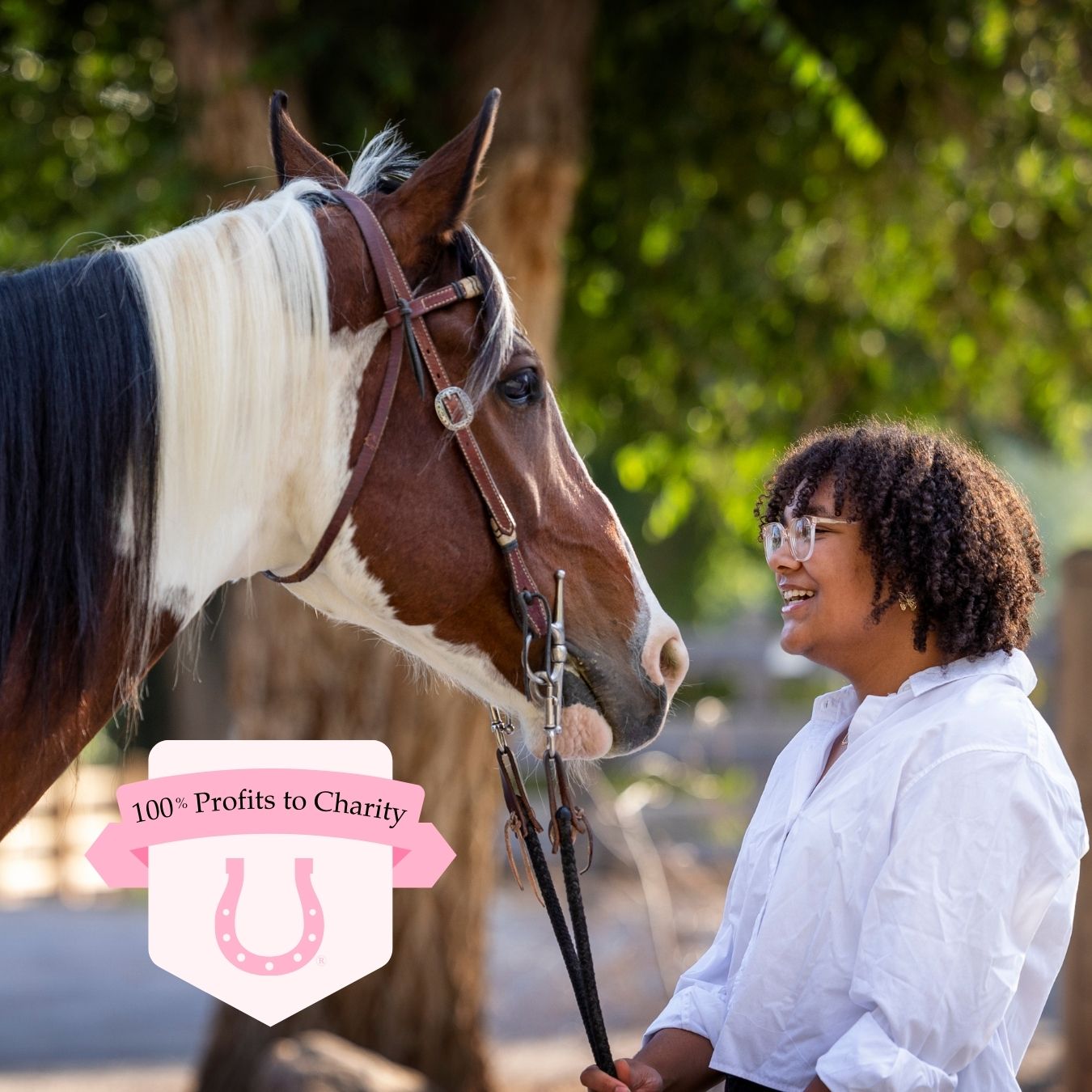
The charitable side matters too. Bridle Up Hope Shop operates with a model that donates 100% of annual net profits to the Bridle Up Hope foundation, which supports girls and women through horses and habits. That means a charm purchase can do more than sit on a wrist. It helps fund equestrian programs for girls and women through the foundation's work.
A simple example makes that real. A mother gives her daughter a sterling horse charm after her first show ribbon. The daughter gets a keepsake she can wear for years, and the purchase also supports a mission tied to the same horse-centered values she's learning in the barn.
If you want the gift to feel thoughtful, use three filters at once. Choose the right motif, choose the right metal, and choose a seller whose purchase supports something beyond the item itself. That's how a small charm becomes a more meaningful decision.
Quick Buying Checklist and Closing Thought
Before you buy, run through the charm in your head one more time. Confirm the motif, so you know whether you're buying a horse head, horseshoe, snaffle bit, or another equestrian symbol. Verify the metal and skin-safety claims, especially if the wearer has sensitive skin or plans to wear it often.
Check the bracelet size and recipient age next. A child's wrist, a teen's wrist, and an adult rider's wrist do not need the same fit or clasp. Then look at the attachment system, because a charm that's hard to secure isn't going to stay in rotation for long.
If the piece feels personal enough, decide whether to engrave a name, date, or short message. If the purchase matters socially, confirm where the profit goes. That last step is easy to skip and hard to regret when you care about what your money supports.

A good horse charm should feel secure, readable, and honest about what it is. When it does, it becomes more than an accessory. It becomes a small story worn on the wrist, and in the right shop, it can also help support girls and women in equestrian programs.
If you're ready to choose a charm that fits the rider, the wrist, and the meaning behind the gift, visit Bridle Up Hope Shop to browse horse-themed jewelry and other equestrian gifts. You'll find pieces that can suit everyday wear, special occasions, and the kind of purchase that carries a charitable purpose with it.
Deje un comentario