


You need a birthday card for a friend who rides every weekend, or a caption for a barn photo that says more than how cute the horse looks. A familiar saying feels right, until you try to decide whether it's funny, heartfelt, or something a named author said.
The best Western horse quotes suit the person and the purpose. A playful line can work beautifully on a gift tag but feel flippant in a sympathy card. A thoughtful horsemanship reminder belongs in a training journal, while a scenic phrase can stand on its own above an entryway bench.
There's also more to Western horse culture than cowboy imagery. The National Science Foundation describes evidence of horses in Indigenous societies on the Great Plains and in the Rocky Mountains by at least the early 1600s. That broader history matters when choosing words about partnership, freedom, work, and respect.
The sayings below range from sentimental observations to practical expressions and cowboy-song language. Each has a specific use case and an attribution note, so you can distinguish a familiar phrase from a documented quotation.
For a personal card, warmth usually matters more than a famous signature. For printed décor or merchandise, take more care: confirm the wording and source before adding an author's name, and don't mistake an attribution note for permission to reproduce someone's work.
Table of Contents
- 1. "Horses make a pasture look more beautiful."
- 2. "Horses never lie."
- 3. "Don't squat with your spurs on."
- 4. "Give a horse his head."
- 5. "Ride 'em, cowboy."
- 6. "Never look a gift horse in the mouth."
- 7. "Horse sense."
- 8. "Git along, little dogies."
- How each Western horse quote compares by origin, best use, and attribution
- Choosing the Right Quote for Your Next Gift or Post
1. "Horses make a pasture look more beautiful."
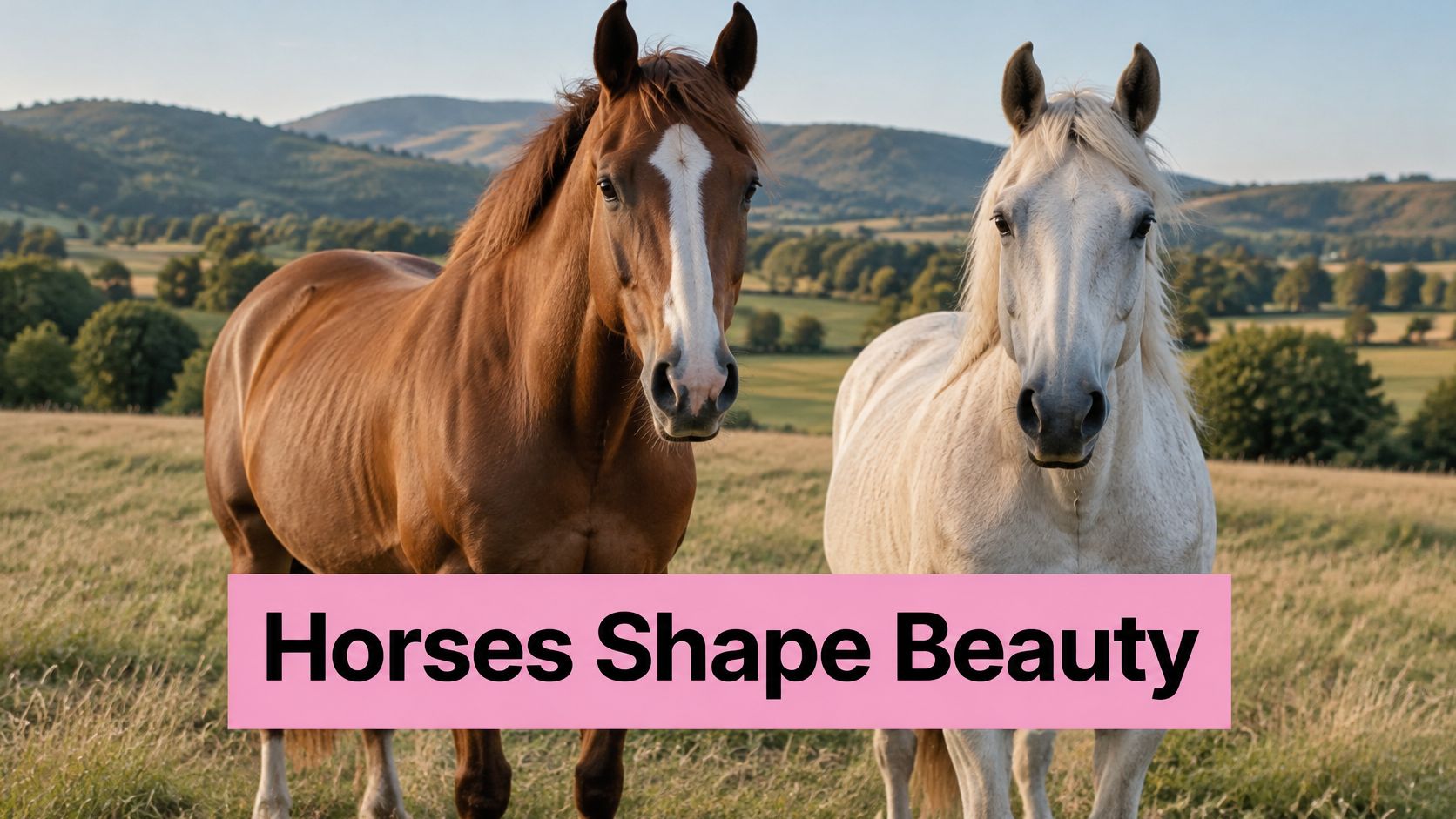
Best for a décor piece or sentimental gift. This line suits someone who slows down to watch horses grazing, even when there's no riding planned. Its appeal is simple: the horse doesn't have to perform or achieve anything to be worth noticing.
On a living room wall, pair the words with an uncluttered pasture photograph or a quiet horse illustration. Above an entryway bench, choose lettering that stays readable from the doorway rather than ornate script that disappears into the image.
Attribution note: The line is commonly attributed to Alice Walker, and no primary source confirms that credit. If you put her name on a card or print, present it as commonly attributed rather than settled authorship.
Make the setting personal
A friend whose favorite part of the day is watching her retired gelding in the field is the right recipient here. The phrase honors what she enjoys now, rather than what her horse used to do.
- For a journal: Pair the line with a photograph of the recipient's own horse.
- For framed art: Keep the lettering away from the image's busiest details.
- For a gift set: Add a horse ornament or plush horse rather than an unrelated Western accessory.
As a social caption, save it for an unedited evening or early-morning shot. Heavy filters fight the quiet tone, and the words already carry the mood.
For a different horse-wisdom design, Bridle Up Hope Shop carries Advice From a Horse Art, a separate design rather than a reproduction of the saying above.
Tone is the trade-off. This is a gentle, decorative choice. It won't land as a training principle or a joke, so skip it when the post or card needs a laugh.
2. "Horses never lie."
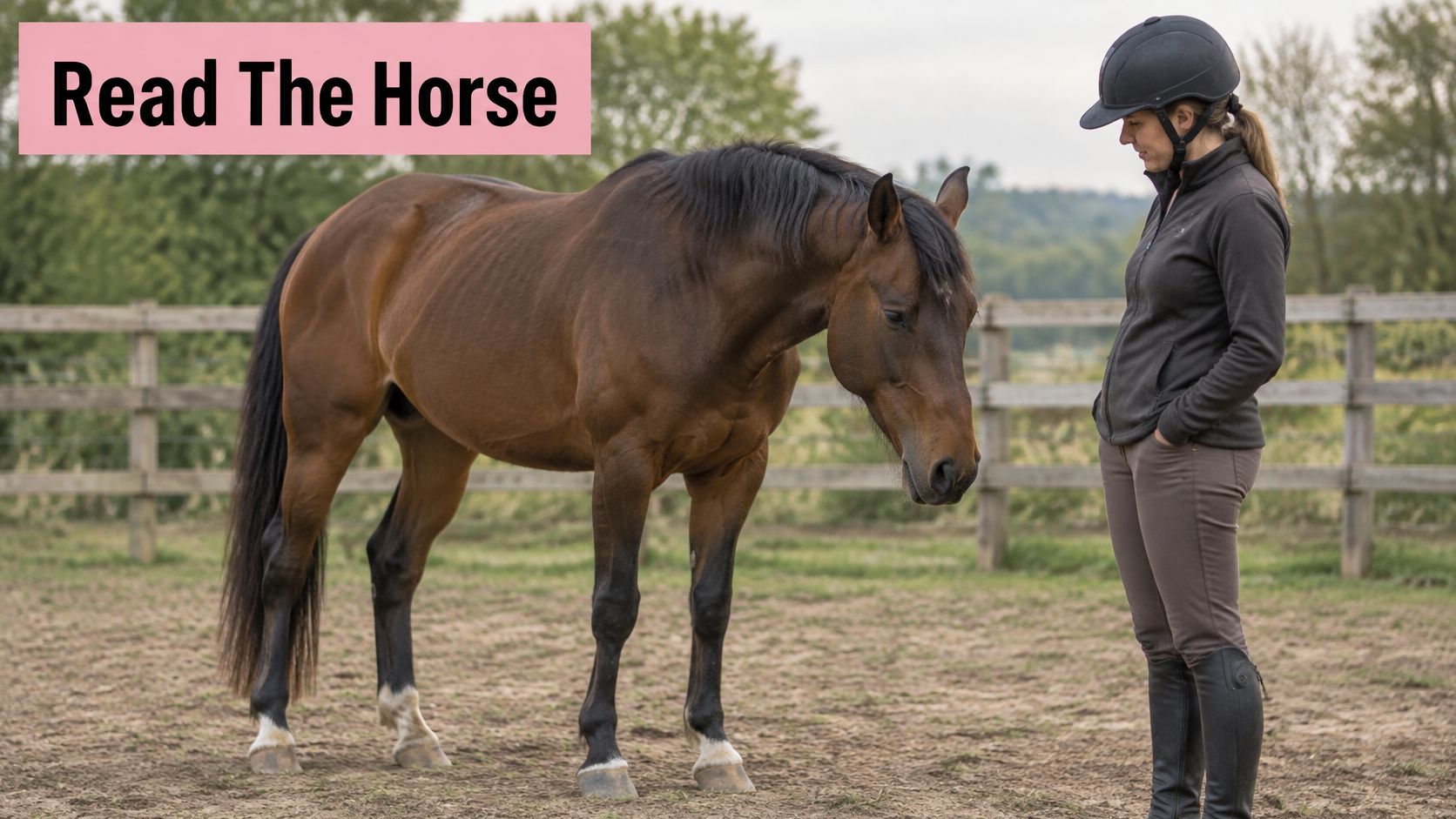
A useful place for this phrase is inside a rider's training journal, where it can prompt observation rather than judgment. Before recording whether a session went well, write down what the horse did: hurried the walk, braced during a transition, or relaxed after a clearer release.
The phrase is associated with Mark Rashid's book Horses Never Lie. That association doesn't, by itself, establish that he originated every use of those words.
Attribution note: If you're referring to the book, identify the title and author plainly. If you're printing the phrase alone, don't add a longer quotation or claim about its origin without checking the original text.
Practical rule: Treat the saying as a reminder to observe your horse, not as proof that every difficult response reflects your mood.
A horse's behavior can involve discomfort, confusion, surroundings, tack, or the demands of the exercise. Start by checking the whole situation rather than blaming yourself or labeling the horse dishonest.
Give it with room for reflection
For a young rider starting Western lessons, write the phrase inside a notebook and add prompts for recording the exercise, the response, and the instructor's advice. That turns inspiration into something usable.
Research described by the University of Turku found that people can form attachment patterns to horses resembling those associated with pets and close humans. Meaningful attachment still leaves room for careful observation and responsible care.
If you're pairing the journal with reading, our guide to horse books for adults can help you choose a suitable direction. Match the reading to the recipient's interests rather than assuming every rider wants training advice.
3. "Don't squat with your spurs on."
Choose this for the friend who appreciates practical jokes more than inspirational speeches. The humor comes from an uncomfortable mental picture. The broader message is to think before acting and avoid an obvious, preventable mistake.
It's less convincing as a slogan about never quitting. You can interpret it as practical caution without stretching it into a lesson about commitment or perseverance.
Attribution note: Treat this as a familiar cowboy saying with an unverified origin. Don't attach a famous cowboy's name because an online graphic does.
Let the joke stay short
A mug, tea towel, or workshop sign gives the words enough room without demanding a long explanation. For a home-office gift, the connection is everyday judgment: pause before sending the irritated email or starting a task with the wrong tools.
- On a mug: Use large, readable lettering and let the phrase supply the humor.
- On a gift tag: Pair it with a useful present for someone who enjoys teasing.
- On a product description: Explain that it's a humorous reminder to consider consequences.
Avoid using it as your main encouragement for a nervous beginner. Someone worried about a lesson may hear ridicule where you intended affection.
If you're adding Western accessories, choose them for the recipient's actual taste. A belt or hat can suit the theme, but real spurs aren't a casual novelty gift for an inexperienced rider.
The strongest version of this gift is modest and personal. Give the funny mug because your friend enjoys cowboy humor, not because you expect a slogan to provide serious riding instruction.
4. "Give a horse his head."
This is a horsemanship phrase before it's a life motto. In riding, it refers to allowing more freedom through the reins rather than restricting the horse's head and neck. The appropriate amount of freedom depends on the horse, the exercise, and the rider's control.
For a gift, its figurative meaning is appealing: allow room, soften unnecessary pressure, and don't confuse constant interference with useful guidance. A training journal or lesson-related card suits that message better than a generic motivational poster.
Attribution note: Present it as a riding expression, not a quotation from a named trainer unless you've documented that trainer's particular wording. It isn't exclusive to Western riding.
Keep the metaphor separate from instruction
Say a rider is working with an instructor on a relaxed walk after a demanding exercise. The instructor may ask for a gradual lengthening of the reins while the rider maintains balance and attention.
That's different from suddenly dropping the reins or assuming the horse should choose every direction. A beginner should practice the release under supervision and in an appropriate setting.
Softness means adjusting your aids thoughtfully. It doesn't mean giving up responsibility for the ride.
For a card accompanying lessons, add a personal message about patience or growing confidence. For a journal cover, keep the phrase prominent and put your explanation inside, where it won't crowd the design.
Readers comparing disciplines can explore our guide to riding English style. The useful connection is shared attention to balance, timing, and an appropriate release, not the assumption that rein contact works identically in every discipline.
Skip this saying if the recipient is likely to read it as unsolicited correction. A thoughtful gift shouldn't feel like an assessment of their riding.
5. "Ride 'em, cowboy."
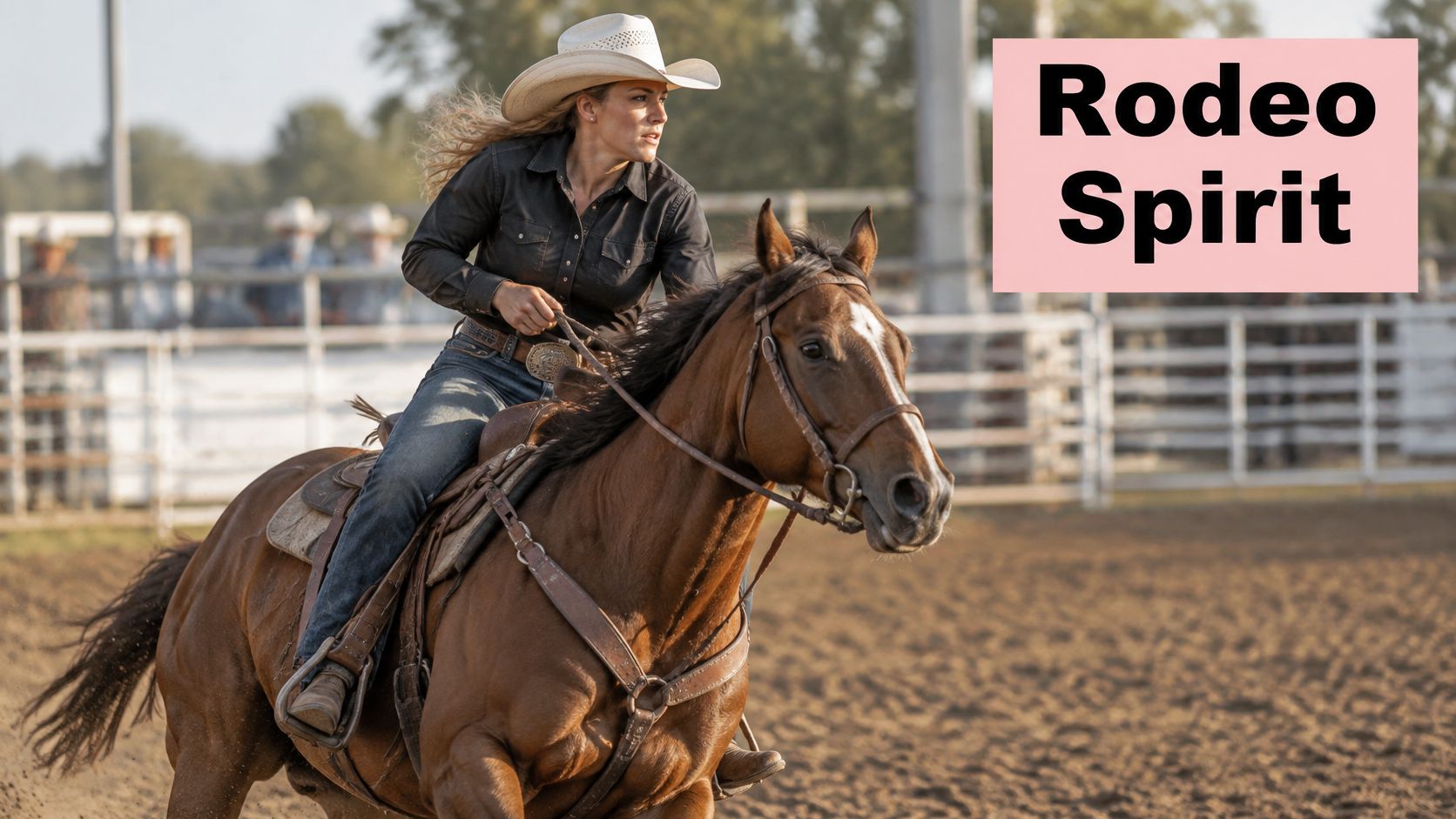
A rodeo-viewing party, a playful barn photograph, or a Western-themed birthday calls for energy rather than reflection. This phrase is a cheer, so it works best when the occasion already feels celebratory.
As a social caption, place it beneath a photograph whose context is clear. A cheerful riding image or a costume-party photo makes more sense than a horse looking distressed or a rider struggling with control.
Attribution note: Use it as a familiar Western cheer without assigning a single author. Its association with rodeo and popular entertainment isn't enough to identify who first said it.
Match the recipient's language
Some recipients enjoy cowboy as a broad Western identity. Others prefer cowgirl, rider, or their own name. You don't need to force the familiar wording onto someone who wouldn't use it themselves.
If you change the phrase for a card, treat the result as your personal adaptation rather than an exact historical quotation. That distinction is especially helpful when adding a name or rewriting it for a child.
- For a caption: Keep the accompanying message upbeat and specific to the occasion.
- For a party sign: Pair the phrase with boots, hats, or arena imagery.
- For apparel: Check that the recipient likes slogan clothing before choosing a prominent design.
For styling ideas, our guide to what Western attire includes can help you distinguish a coordinated outfit from a pile of themed accessories.
The main trade-off is subtlety. This isn't a quiet expression of friendship or horse-human trust. Choose it when you want a grin and a burst of encouragement, not when you need words that acknowledge loss, recovery, or a difficult training decision.
6. "Never look a gift horse in the mouth."
Best for a gift tag, with a little care. The proverb means you shouldn't criticize a freely given present or inspect it as though you were negotiating a purchase. Its horse connection comes from examining teeth as part of assessing an animal.
That makes it an obvious fit for horse-themed gifting, but also a slightly risky joke. Written alone, it can sound as though you're telling the recipient to be grateful before they've even opened the package.
Attribution note: Label it a traditional proverb. It isn't specifically Western, and a precise historical attribution isn't necessary for a personal card. Don't add an ancient author or origin date without a reliable source for the exact wording.
Add affection, not an obligation
For a close friend who shares your humor, put the proverb on the outside of the tag and write a sincere birthday message inside the card. Make the warmth clearer than the joke.
It can accompany a horse ornament, a book, or a gift card. If you're including treats for an actual horse, choose them according to that horse's dietary needs and the owner's preferences, not just the packaging.
Gift-giving caution: A proverb about accepting presents isn't advice to accept an actual horse without checking health, suitability, care needs, and costs.
That distinction matters because a live animal brings responsibilities that a decorative gift doesn't. No one should feel pressured into taking on horse ownership as an act of politeness.
Avoid this line for a donation request, an apology gift, or a present that may need exchanging. In those situations, it can imply that questions or preferences are unwelcome. A simpler, affectionate message will usually serve the relationship better.
7. "Horse sense."
A notebook full of clear observations is a better match for horse sense than a grand inspirational plaque. The expression means practical judgment, especially the kind you apply when deciding what makes sense in front of you.
For a ranch-minded friend, it's a compact joke that doesn't require a long quotation. For a rider, it can become a useful theme for recording decisions about preparation, care, and training.
Attribution note: This is an expression, not a complete quotation requiring an author's signature. Don't manufacture a named attribution or print a precise origin date you haven't verified.
Turn the phrase into a useful gift
Say your friend keeps loose notes about lessons and tack adjustments. A dedicated journal with this phrase on the cover can give those observations a home.
Inside, suggest headings for what happened, what changed, and what needs professional advice. Keep observations separate from conclusions: a horse resisting a transition is an observation, while deciding why requires more care.
- For a mug: Choose it for someone who likes understated wordplay.
- For a journal: Add a personal note about the recipient's thoughtful judgment.
- For a tea towel: Keep the design legible and the joke brief.
Practical judgment also means resisting exaggerated promises about horse relationships. A study published in 2025 found that the human-horse interactions studied didn't significantly raise human salivary oxytocin or alter cortisol, although horses' plasma oxytocin increased after standing with or being rubbed by people.
You can celebrate companionship without claiming that every interaction automatically produces measurable healing. On a gift, language about patience, attention, or a welcome quiet moment is more grounded than a sweeping health promise.
8. "Git along, little dogies."
Choose this for a Western storybook mood rather than a literal horse quotation. Dogies are cattle, not horses or dogs. The phrase fits the horseback working world of cattle drives, which explains its place among Western sayings.
It works on a child's gift tag, a trail-themed pillow, or a card accompanying a cowboy story. A horse-and-cattle illustration makes the meaning clearer than an image of puppies.
Attribution note: The phrase is associated with the traditional cowboy song Git Along Little Dogies. Treat it as a traditional song phrase with varying versions, not as a line definitively authored by whichever performer recorded a familiar rendition.
Keep the working context visible
The Sharlot Hall Museum describes cowboy poetry as emerging from trail-driving culture after the U.S. Civil War, with recitation used to record events and pass along traditions. That context gives a trail-themed gift more substance than a generic cowboy costume motif.
For a child's present, pair the phrase with a book and a plush horse or cattle figure. Explain the unfamiliar word in your own language rather than leaving the child to assume it means little dogs.
- For a gift tag: Add a brief note connecting the phrase to cattle on the trail.
- For a blanket or pillow: Use trail, herd, or ranch imagery.
- For a social caption: Reserve it for an actual cattle or Western-trail context.
The trade-off is clarity. Someone unfamiliar with cowboy songs may not understand it immediately, and it isn't a direct statement about horse friendship. Choose it for a recipient who enjoys Western music, storytelling, or the working-range setting.
Before reproducing additional lyrics or using a particular arrangement, check that version separately. Traditional material and a modern performer's treatment aren't interchangeable.
How each Western horse quote compares by origin, best use, and attribution
Use this table as a quick check before you letter a sign, write a card, or caption a photo. The confidence column tells you how much credit you can safely give the line.
| Quote | Origin | Best Use | Attribution Confidence |
|---|---|---|---|
| “Horses make a … look more beautiful.” | Circulates under Alice Walker's name | Framed quote art for a horse lover's wall | Low; write “attributed to Alice Walker” until a primary source surfaces |
| “Horses never lie.” | Tied to Mark Rashid's book title | A gift for a rider working on feel and trust | Medium; credit the book and treat Rashid as its popularizer |
| “Don't squat with your spurs on.” | Anonymous ranch humor | Mug, sign, or gag gift | Low; label it cowboy wisdom |
| “Give a horse his head.” | Old horsemanship phrase | Lesson-barn poster or training journal | Low; traditional phrase with no named author |
| “Ride 'em, cowboy.” | Arena and film catchphrase | Rodeo tee or event signage | Low; recognizable cry with no identifiable first speaker |
| “Never look a gift horse in the mouth.” | Centuries-old proverb | Card or tag accompanying a horse gift | Medium; cite as a proverb, since the often-claimed Latin source is unconfirmed |
| “Horse sense.” | 1800s American rural speech | Mug or journal for the practical friend | Medium; treat it as a common expression |
| “Git along, little dogies.” | Traditional trail-driving song | Children's gift paired with a book or plush | Medium; traditional song, versions vary |
Read the ratings this way. Low means your tag or print should say “traditional” or “cowboy saying,” never a person's name. Medium means the line has a strong known association, like Rashid's book or the trail song, but no verified author. None of these eight earns a high rating, because no confirmed single author stands behind any of them. When in doubt, credit the tradition rather than guessing at a name.
Choosing the Right Quote for Your Next Gift or Post
Start with the occasion, then choose the words. Humor suits a casual mug or gift tag. Observation and patience suit a rider's journal. A sentimental line suits quote art, especially when it connects to a particular horse or place.
A horse-centered gift can delight someone who never rides. In the American Horse Council's 2017 survey, summarized by Horse Illustrated, 30.5% of responding households contained horse enthusiasts, while 1.3% reported owning a horse. Choose for the recipient's connection to horses rather than assuming they have a barn.
Match the words to the person
For an active rider, a useful phrase may reflect lessons, trail time, or steady progress. Pleasure/trail riding was the leading reported activity at 69.5% among eligible respondents in the 2025 American Horse Publications Equine Industry Survey. A quiet trail-life theme often fits a recreational rider better than rodeo imagery.
For a non-rider, focus on what they enjoy: watching horses, reading Western stories, decorating with equestrian art, or remembering a beloved animal. Skip a technical riding phrase for someone who loves watching horses from the fence line, and pick a saying about beauty, freedom, or horse sense instead.
- For a birthday card: Choose the line that sounds natural in your relationship, then add a specific personal message.
- For a social caption: Match the words to what's happening in the photograph.
- For décor: Consider whether the recipient will still want to read the phrase every day.
- For a gift tag: Keep the saying short enough that your own message remains visible.
Check authorship before you commit
An attractive graphic isn't documentation. The table above flags which sayings carry low or medium attribution confidence, so check it before printing a name on a gift. When an association feels familiar but undocumented, use commonly attributed to, and credit traditional expressions as folk sayings.
Attribution and reproduction rights are separate questions. Naming an author doesn't automatically establish permission for commercial use, so treat these phrases as card and caption material rather than blanket clearance for merchandise.
At Bridle Up Hope Shop, we donate 100% of our annual net profits to the Bridle Up Hope foundation, which supports girls and women through horses and habits. Whatever you choose, make the final message personal: name the quality you admire, the horse you remember, or the occasion you're celebrating.
Our equestrian artwork, journals, kitchenware, books, and gifts include both English and Western styles. Visit Bridle Up Hope Shop to choose a horse-themed piece that fits your recipient, then add a card explaining why the saying made you think of them.
Leave a comment