


You're standing in front of the blank wall above the sofa, one hand on a framed riding photograph and the other wondering whether the room needs something bolder. A metal horse wall art piece could bring in movement, texture, and an unmistakable equestrian note, but the right choice depends on more than whether you like horses.
The finish has to suit the environment. The scale needs to work from the room's usual viewing distance. The mounting system must match both the artwork's weight and the wall behind it. A quiet black silhouette can feel refined in an English cottage entry, while the same horse shape might disappear in a wide ranch great room without enough size or surrounding contrast.
Table of Contents
- Finding the Right Metal Horse Wall Art for Your Home
- The Four Main Styles and How They Set a Mood
- Understanding Metals, Coatings, and Finishes
- Choosing the Right Size for Your Wall and Room
- Indoor Versus Outdoor Placement Decisions
- Mounting Options That Hold Horse Art Safely
- Pairing Metal Horse Art With Surrounding Decor
- Quick Decisions and Common Buyer Questions
Finding the Right Metal Horse Wall Art for Your Home
Start with four filters: style mood, material and finish, size, and installation safety. Running every option through the same filters keeps you from buying a piece that looks attractive online but feels too harsh, too small, or unsafe once it reaches your wall.
Step one, decide what the horse should contribute
Ask whether you want the art to whisper or lead the room. A slim matte-black silhouette creates a clean graphic accent. A weathered steel horse adds age and texture. A painted Western scene introduces color, while a layered sculptural piece becomes a focal point that people notice before the rest of the decor.
A useful comparison is the difference between a horse grazing and a horse caught mid-gallop. Both communicate equestrian character, but the first supports a calm room and the second adds energy. For a softer alternative on a wall where you want the imagery without the physical weight of metal, a horse head vinyl art design can help you test the placement and visual direction.
Step two, inspect the surface before admiring the details
Metal horse wall art is commonly made from laser-cut mild steel, galvanized steel, or aluminum. Powder-coated finishes are used to improve both appearance and corrosion resistance. Manufacturer specifications cited by Live Well Craft's metal wall art material guide describe coating thickness around 60–80 μm and salt-spray resistance above 500 hours under ASTM B117, although the exact result depends on fabrication and care.
That matters most in humid rooms, coastal homes, covered porches, and high-touch areas. An unprotected steel surface can oxidize faster, while a suitable protective finish gives you more freedom in placement.
Step three, measure the wall and the viewing distance
Measure the usable wall, not the entire architectural opening. Account for sofa arms, door casings, windows, sconces, and shelves. A design that looks balanced on a product page may feel lost above a long sofa or crowded beside a narrow doorway.
Step four, treat mounting as part of the purchase
A lightweight silhouette and a heavy welded sculpture don't belong on the same hook. Public hanging guidance shows that safe load limits vary widely, from about 7.7 pounds for adhesive strips to as much as 200 pounds for French cleats, as summarized in this metal wall art hanging guidance. Choose the hardware only after you know the artwork's weight and your wall type.
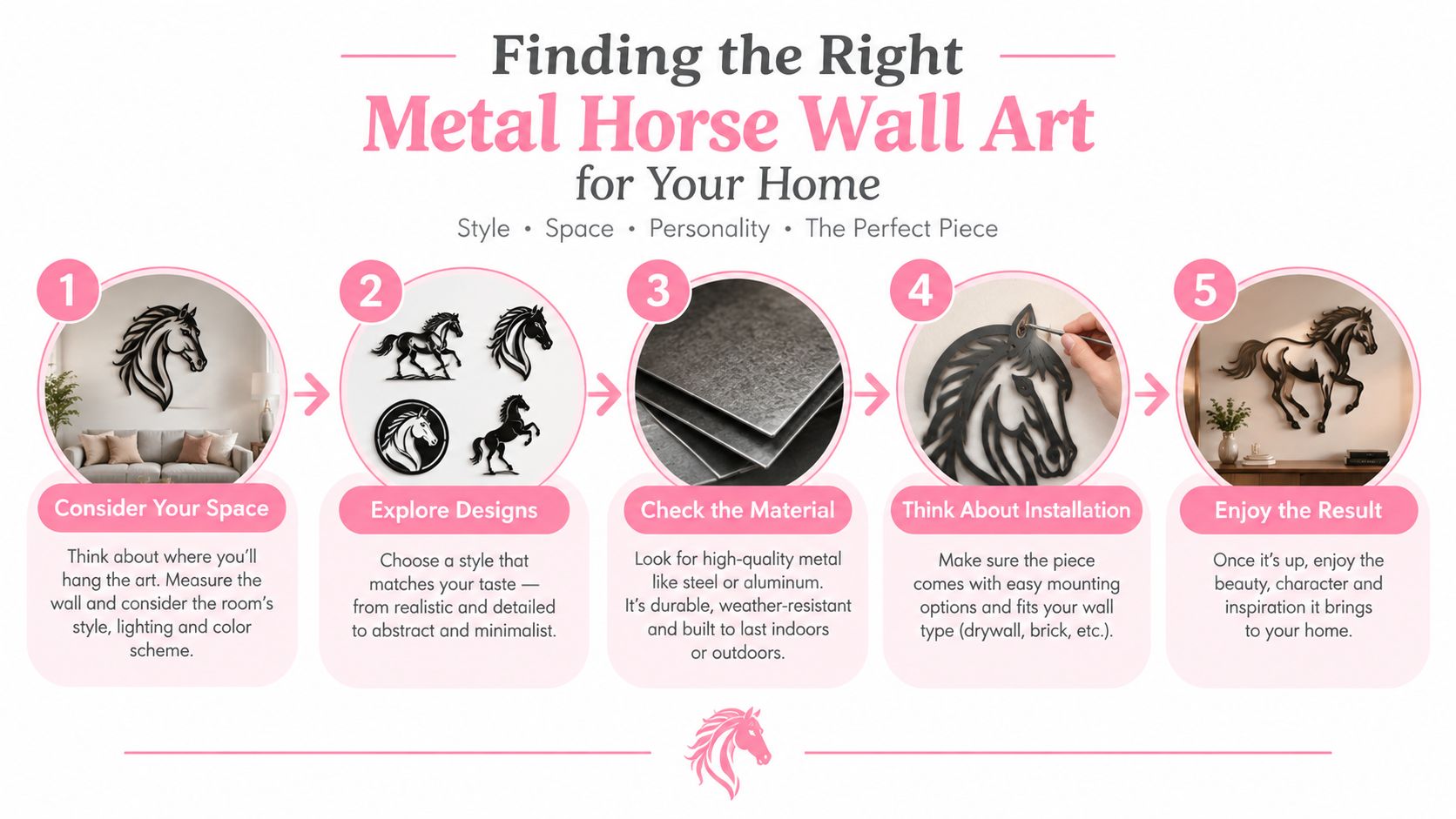
Keep a short checklist beside your measuring tape: mood, substrate, finish, dimensions, and mounting method. That list turns an emotional purchase into a practical one without taking away the fun.
The Four Main Styles and How They Set a Mood
Horse imagery changes character dramatically when the maker changes the construction method. Compare the four main families before you compare individual products.
| Style | Mood | Best Rooms | Watch Out For |
|---|---|---|---|
| Silhouette | Graphic, modern, restrained | Hallways, minimalist rooms, bedrooms, lofts | A flat dark shape can emphasize uneven walls or look too quiet across a large room |
| Rusted or industrial | Warm, aged, workshop-inspired | Barn-style rooms, studies, mudrooms, ranch spaces | Raw or weathered surfaces can shed residue and need appropriate sealing |
| Painted | Colorful, traditional, expressive | Family rooms, children's spaces, mudrooms, Western interiors | Painted layers may chip if the piece receives frequent contact |
| Sculptural | Dimensional, dramatic, gallery-like | Entryways, fireplaces, large living rooms | Added depth and welded elements increase weight and mounting demands |
Silhouettes keep the room visually calm
A single-color cut-out works much like bold line art. It gives you the outline of a horse without asking the viewer to study a detailed scene. Matte black suits contemporary furniture, while a softer dark bronze can connect more easily with warm wood and leather.
Silhouettes also reveal wall imperfections because their clean edges create a strong contrast. Use one on a smooth painted wall, or place it where changing light can create a subtle shadow.
Rusted and industrial pieces supply texture
Weathered steel brings the feeling of a stable door, old tack room, or workshop. It pairs naturally with reclaimed wood, aged leather, exposed brick, and iron hardware. The performance question is simple: is the surface intentionally stabilized and sealed, or is it still actively shedding and changing?
Painted and sculptural designs make stronger statements
Painted pieces can carry Western or folk motifs into a family room. Sculptural designs use layered, bent, or welded parts to create depth. For inspiration on combining horse motifs with collected pieces, browse vintage horse decor ideas, then judge each item by its construction rather than its theme alone.
Understanding Metals, Coatings, and Finishes
Think of the base metal as the body of a vehicle and the finish as its weather protection. You need both parts to work together.
Mild steel is the dependable workhorse. It's strong and commonly used for cut metal designs, but bare mild steel can rust outdoors. Indoors, it offers flexibility and a substantial feel. Outdoors, it needs a protective coating or a finish designed to manage oxidation.
Galvanized steel has a zinc layer that acts like a raincoat. The zinc protects the steel beneath it, making this option useful where moisture is expected. The surface may have a more utilitarian appearance, which can be an advantage in industrial, barn, or modern farmhouse settings.
Aluminum is the lightweight choice. Like an aluminum ladder stored in a garage, it's easy to handle and naturally resists red rust. Its lower weight can simplify installation, particularly on walls where you don't want a large fastening system.
Finish changes both appearance and upkeep
Powder coating is a baked-on surface layer. It creates an even color and can improve resistance to corrosion, chips, and general wear. Matte black powder coating reduces visual sparkle, while a gloss finish catches more light and may create distracting reflections in a small, sunny room.
Brushed metal shows fine directional marks that soften the shine. It works well when you want a contemporary surface without the starkness of a mirror-like finish. Raw rust provides an aged appearance, but it should be controlled and sealed if you want to limit transfer to nearby walls or furniture.
Painted finishes range from a single flat color to a detailed multi-layer image. They can make horse art feel traditional and personal, though direct contact, rough handling, and outdoor exposure can affect the surface over time.
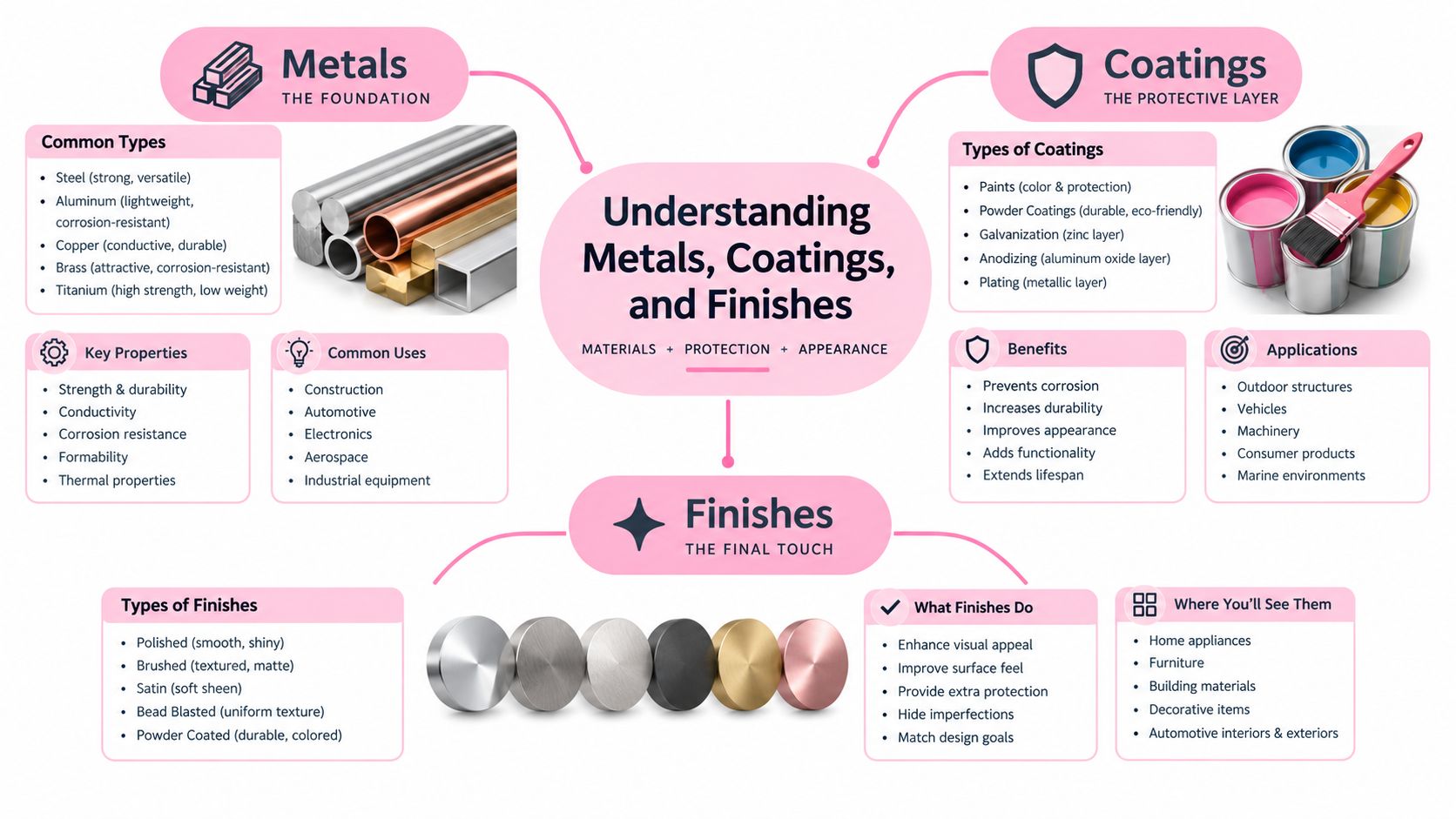
Material rule: Match the base metal to moisture and match the finish to the amount of cleaning, glare, and surface change you're willing to accept.
For a broader view of current material preferences, metal home decor guidance from Accio discusses brushed aluminum, matte black, recycled metals, powder coating, and reflective finishes as distinct ways to shape a room's character.
Choosing the Right Size for Your Wall and Room
Size is a relationship, not an isolated measurement. A horse panel has to relate to the wall, the furniture beneath it, the ceiling height, and the distance from which people usually see it.
Measure the wall's usable width first. For art above a sofa, begin with a piece that occupies roughly two-thirds of the furniture width, then adjust for the design's visual density. A thin silhouette may need more width than a solid sculptural horse because open space makes it feel visually lighter.
Viewing distance changes how detail performs. Fine cutouts and layered features can disappear across a spacious great room, while an oversized piece may dominate a narrow hallway. On a staircase, consider the full vertical path and keep the artwork clear of shoulders, hands, and door swings.
| Room Type | Wall Width | Recommended Art Size | Typical Viewing Distance |
|---|---|---|---|
| Narrow hallway | Limited usable width | Slim vertical silhouette or compact panel | Close |
| Bedroom above a bed | Bed width plus side clearance | Medium horizontal piece or quiet paired silhouettes | Close to moderate |
| Living room above a sofa | Sofa width with surrounding breathing room | Broad horizontal panel or grouped designs | Moderate |
| Entryway | Wall width and door clearance | Vertical silhouette or dimensional focal piece | Close to moderate |
| Great room or ranch-style space | Broad uninterrupted wall | Oversized silhouette, multi-panel work, or sculpture | Moderate to far |
Leave visible breathing room around windows, frames, and trim. If you're unsure, cut paper templates to the proposed size and tape them to the wall. Live with the outline through different lighting conditions before drilling.
Indoor Versus Outdoor Placement Decisions
Indoor placement gives you more freedom. In a living room, bedroom, office, or covered entry, you can choose raw rust, brushed aluminum, painted details, or powder coating mainly for appearance and maintenance preference. Moisture still matters in bathrooms and laundry areas, but the piece usually faces less severe exposure than it would outside.
Outdoor walls create a different performance test. Rain, condensation, ultraviolet light, salt air, and temperature changes can affect both the metal and the finish. Mild steel needs reliable protection, while galvanized steel and aluminum are generally more suitable for damp locations. A properly sealed steel design can work outdoors, but the maker's care instructions should determine whether the finish is appropriate.
Use the setting to guide the finish
A covered porch sits between indoor and outdoor conditions. It may avoid direct rain but still experience humidity and strong sunlight. A barn exterior faces moisture, dust, and contact from people or animals. A garden wall may expose the artwork to irrigation spray and soil splash.
Raw rust can be an intentional outdoor look, but it should be stabilized so the surface behaves as designed. Powder coating offers a clean, finished appearance and helps resist corrosion, though direct sun can still influence color over time. Aluminum avoids the red-rust problem and is easier to handle during installation.
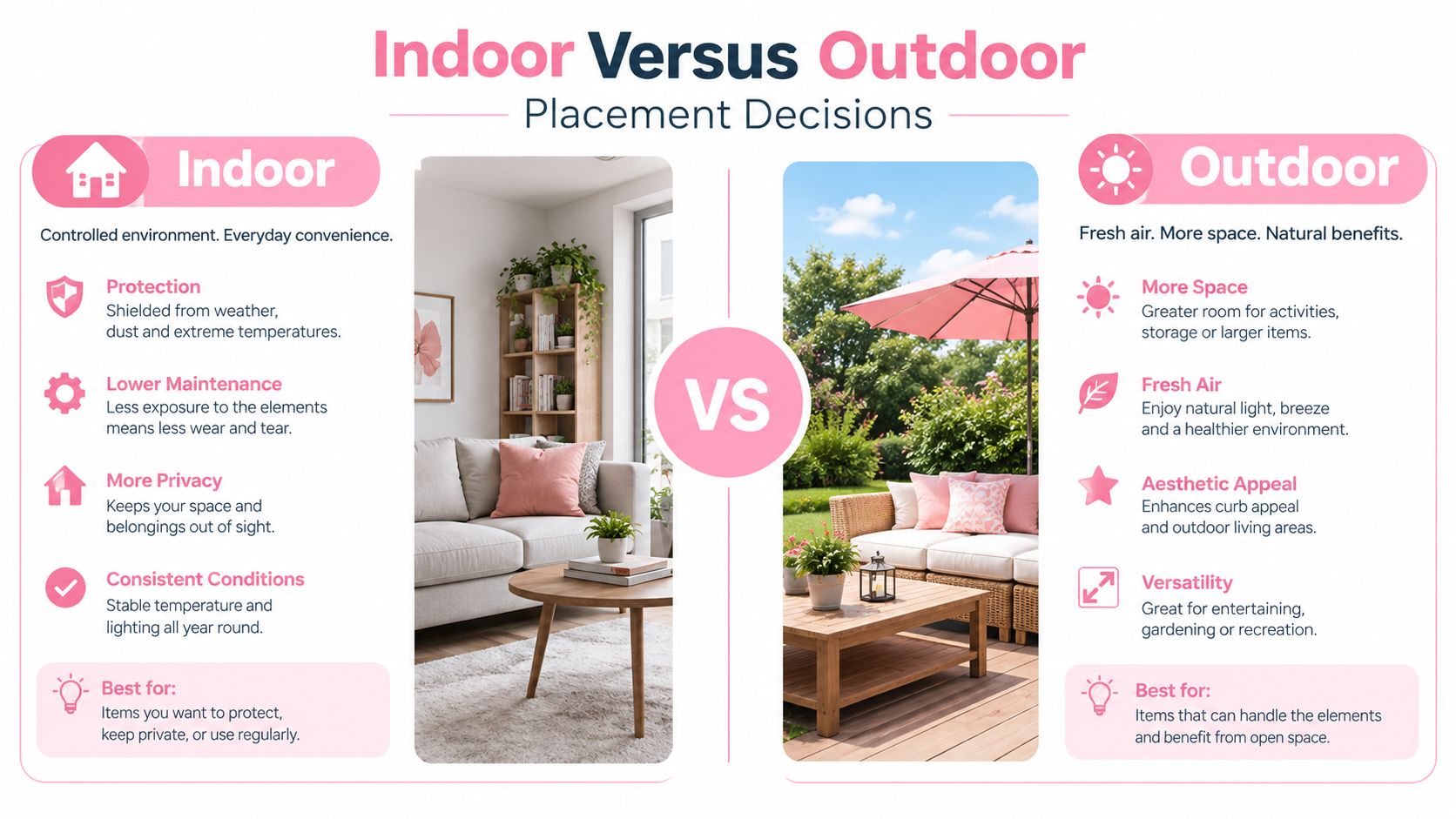
If the piece will see rain or salt air, choose aluminum, galvanized steel, or mild steel with a finish specifically intended for that exposure.
Outdoor mounting also needs attention. Use fasteners suited to the wall material, keep drainage paths clear, and avoid trapping moisture between the art and the wall. A small standoff can help the panel sit away from the surface, but it also changes the load and stress on the fasteners.
Mounting Options That Hold Horse Art Safely
The cleanest installation starts with one fact: the artwork's actual weight matters more than its apparent size. A broad aluminum silhouette may be easy to hang, while a compact welded sculpture can place greater demand on the wall.
Match the system to the load
Adhesive strips suit only lightweight pieces and smooth, clean surfaces. They're a poor choice for heavy steel, textured walls, humid rooms, or installations where a fall could cause damage. Light picture hooks can work for small pieces when the hook rating exceeds the artwork's weight.
Drywall anchors spread force through the board. Choose a suitable anchor for the load and follow its installation instructions. If the artwork has mounting points that line up with a stud, fastening directly into the stud is usually preferable.
Plaster needs care because brittle surfaces can crack around a poorly placed hole. Brick, concrete, and masonry require compatible bits and anchors. Don't assume a standard drywall plug will hold in a masonry wall.
Use stronger hardware for dimensional art
Multi-point brackets distribute weight across several fasteners. A French cleat interlocks along the top edge and is useful for heavier panels because it spreads the load horizontally. Lag bolts or structural screws may be appropriate when the substrate and mounting bracket support them, but the wall construction must be verified first.
Large metal panels can sit 0.8–2 cm off the wall, depending on their standoff geometry, according to the installation guidance cited earlier. That gap creates shadow and depth, but it can also increase force, so use the manufacturer's hardware instructions rather than selecting fasteners by appearance.
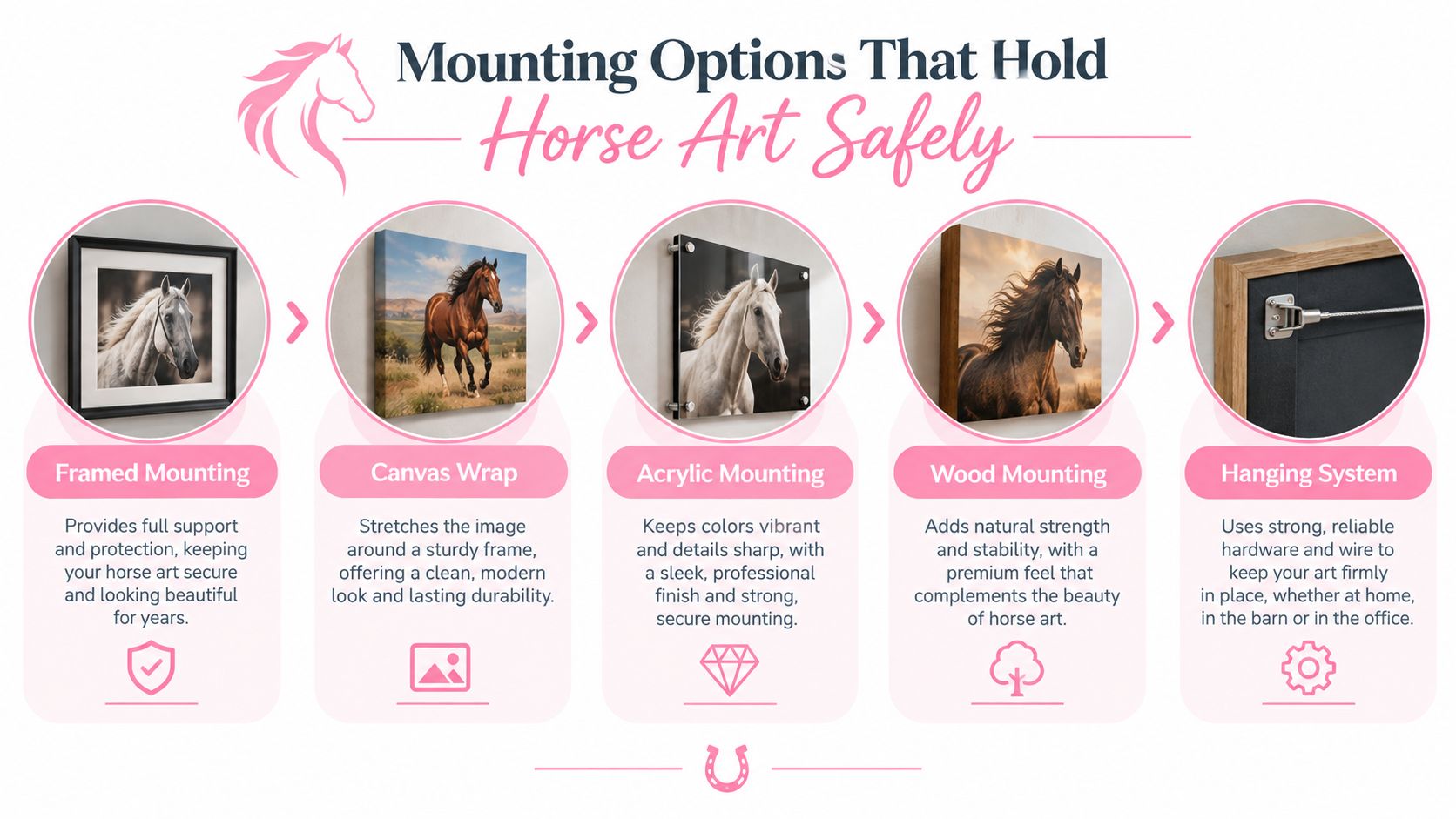
Before drilling, find studs, check the back of the artwork, measure the mounting points, and level the template. The American Goose nail-free hanging tips can help when you're assessing lighter, nail-free approaches, but heavier pieces still need hardware rated for their load.
For a smaller equestrian installation, how to hang a horseshoe offers a useful reference for thinking about orientation and placement. Always include the artwork, brackets, wire, and standoffs in your load assessment.
Pairing Metal Horse Art With Surrounding Decor
Metal horse wall art looks intentional when the room repeats its visual language. That doesn't mean every object needs a horse on it. It means the art should share color, texture, shape, or finish with nearby pieces.
An English-leaning room often benefits from restraint. Creamy plaster, warm oak, slipcovered upholstery, antique mirrors, botanical prints, and dark metal accents give a matte-black or painted horse silhouette a settled home. A weathered piece can work too, especially when its patina echoes an old frame or aged leather rather than competing with polished furniture.
A Western-leaning room can handle stronger texture. Reclaimed wood beams, leather seating, plaid textiles, woven rugs, saddles, and wrought-iron lighting create a natural setting for industrial or sculptural horse art. Keep the surrounding objects varied in scale so the wall doesn't become a collection of equally loud shapes.
Let light reveal the horse without creating glare
Glossy finishes can reflect windows and ceiling fixtures. Angle a picture light from the side rather than aiming it straight at the surface. Diffused uplighting can deepen the shadows around raw or layered steel, while softer ambient light keeps a black silhouette from becoming a flat visual block.
Use grouping when one piece feels too isolated. Several related silhouettes can form a gallery arrangement, but keep spacing consistent and align the group with the furniture beneath it. A single sculptural horse usually needs more breathing room than a group of small, flat designs.
For practical ideas on styling furniture with metal details, look for repeated finishes rather than matching every item exactly. You can also explore horse decor ideas for ways to carry the equestrian theme into shelves, textiles, and smaller accents without turning the room into a display area.
Quick Decisions and Common Buyer Questions
How do I clean raw-rust horse art without harming its patina? Begin with a dry, soft brush or microfiber cloth to remove loose dust. Avoid water and strong cleaners, which can alter the surface and leave uneven marks. If the piece has a protective coating, follow the maker's care instructions rather than treating it like bare steel.
Can I hang metal horse art in a bathroom? Rusted steel can work in a bathroom when it is sealed and kept away from direct, persistent water. Good ventilation also matters. A piece exposed to repeated moisture may develop changes faster than the same artwork in a dry hallway.
Will direct sunlight fade aluminum or a painted finish? The coating determines much of the color's resistance. For a bright room or outdoor wall, choose art labeled for that exposure. A small room with a glossy surface may also create distracting reflections, so matte finishes are easier to view near windows or strong lighting.
How much weight can a standard drywall anchor support? There is no single safe limit for every anchor. Capacity depends on the anchor type, wall condition, and how the artwork hangs. Check the anchor's stated rating, then compare it with the artwork's weight. Heavy sculptural pieces may need a stud, cleat, or other support designed for the wall substrate.
A silhouette can suit a formal room when its scale and finish match the furniture. For final care and mounting details, use the maker's instructions.
Bridle Up Hope Shop offers horse artwork and equestrian wall decor alongside English and Western home goods. Visit Bridle Up Hope Shop to compare horse-inspired pieces with complementary gifts and furnishings while supporting the shop's charitable mission.

Leave a comment