


You're probably here because the weather shifted overnight, the barn aisle feels colder than you expected, and the sweater you grabbed last season suddenly doesn't seem quite right. Maybe it rides up when you post, bunches under your vest, catches at the wrist, or looks lovely by the truck but feels wrong the second you pick up the reins.
That's why horse riding sweaters matter more than many riders think. A good one keeps you warm, yes, but it also affects how freely you move, how safely you ride, and how much like yourself you feel in the saddle. The right sweater can be practical, flattering, durable, and personal all at once.
Table of Contents
- The Search for the Perfect Equestrian Sweater
- Decoding Sweater Fabrics From Wool to Technical Blends
- A Rider's Guide to Fit Safety and Freedom of Movement
- How to Layer Riding Sweaters for Any Weather
- Styling Your Sweater In and Out of the Saddle
- Keeping Your Knitwear in Top Condition
- Choose a Sweater That Warms More Than Just You
The Search for the Perfect Equestrian Sweater
Most riders don't want a sweater that's only pretty on a hanger. They want one that works at the barn gate, in the saddle, on a breezy hack, and on the drive home with hay still stuck to the sleeve. That's a bigger ask than it sounds.
The demand for that kind of apparel is growing. The global Horse Riding Clothing market was valued at US$ 2,396.7 million in 2023 and is forecast to reach US$ 2,664.6 million by 2030, and within that market, women's apparel is the fastest-growing category, driven by demand for stylish yet functional garments, according to Orbis Research on the horse riding clothing market. Riders aren't choosing between function and style as often as they used to. They want both.
That shift matters because horse riding sweaters sit in a practical middle ground. They're often more comfortable and expressive than a structured jacket, but they still need to earn their place in your tack-room routine. If you've ever tried to find one piece that feels polished enough for lessons, relaxed enough for chores, and comfortable enough for long hours, you already understand the challenge.
A sweater becomes useful the moment you stop thinking about it while you ride.
Some riders also care about how their clothing is made, not just how it looks. If you're curious about how brands develop small-batch or custom apparel with modern manufacturing workflows, AI-driven apparel production solutions can offer helpful context on that side of the industry.
Style inspiration can help narrow your search too. If you want a broader sense of how brands balance heritage, utility, and personality, this guide to equestrian apparel brands is a useful place to browse ideas.
Decoding Sweater Fabrics From Wool to Technical Blends
Fabric decides whether a sweater feels like a favorite or a mistake. It changes warmth, stretch, breathability, bulk, and how comfortable you stay once your ride gets underway.
Why fabric choice feels confusing
Riders often run into a strange gap. There's recognized demand for sweaters that work for all-season layering, yet most technical discussion still centers on competition coats rather than everyday sweater use, as noted in Deep Market Insights on the equestrian apparel market. That leaves many people guessing about what belongs in the arena, on the trail, or under a jacket.

If you've stared at a product page trying to decode “performance knit,” “brushed fleece,” or “fine-gauge wool blend,” you're not alone. One useful detail to learn is GSM fabric weight, because fabric weight can help you picture whether a sweater will feel light and layerable or heavier and more substantial.
A practical look at common sweater materials
Here's a simple comparison you can use.
| Fabric | Best For | Pros | Cons |
|---|---|---|---|
| Wool | Cool weather riding, hacks, everyday barn wear | Warm, breathable, can feel comfortable across changing temperatures | Some wool feels itchy, some knits need gentler care |
| Cashmere | Light warmth, polished casual wear, low-bulk layering | Soft, refined, warm without heavy weight | Usually needs careful care, not ideal for rough barn use |
| Technical blends | Schooling, active riding, layering under outerwear | Stretch, quicker drying feel, often durable and easier to wash | Can feel less traditional, quality varies widely |
| Fleece | Cold mornings, chores, warm-up wear | Soft, cozy, easy to layer | Can feel bulky, may trap too much heat during harder riding |
| Cotton knits | Casual wear before and after riding | Soft, familiar feel, easy everyday option | Holds moisture and can feel uncomfortable once you sweat |
Wool has a long equestrian history for good reason. It's warm without always feeling stifling, and many riders like the way it looks both in and out of the saddle. Fine merino-style knits often work better for riding than chunky fashion sweaters because they move with you and fit under outer layers more cleanly.
Fleece is a comfort favorite, especially for chilly barn chores. But if you run warm or plan to trot and canter for a full session, fleece can become too much, too fast.
Technical blends are where many modern riders land. They usually offer the easiest mix of flexibility, lower-maintenance care, and athletic comfort. If your priority is movement and layering, they're often the most forgiving choice.
Practical rule: If a sweater feels stiff in the dressing room, it won't get better once you're carrying your hands, turning your shoulders, and following your horse's motion.
Cotton deserves special mention. For horses, expert cooler guidance advises against 100% cotton because it absorbs moisture and dries slowly, which creates a chilling risk after exercise, while wool or quality polyester-fleece blends manage moisture more effectively, according to guidance on horse coolers and fabric behavior. Human riders aren't horses, of course, but the same basic moisture lesson helps explain why cotton sweaters often feel fine standing around and much less pleasant once you heat up.
A Rider's Guide to Fit Safety and Freedom of Movement
A sweater can be beautiful and still be wrong for riding. Fit is what turns a warm layer into useful gear.

What good fit looks like in the saddle
Start with the shoulders. If the seam pulls when you reach forward for the reins, the sweater is too tight. If the shoulder drops too far down your arm, the whole garment may twist while you ride.
Sleeves matter more than people expect. Long, loose cuffs can creep over your hands, bunch under gloves, or snag as you handle tack. On the other hand, sleeves that are too short leave your wrists exposed every time you extend your arms.
The body should skim, not cling. You want enough room for a base layer and full arm movement, but not so much fabric that it balloons under a vest or catches on a gate latch. For English riders, excess bulk can interfere with a cleaner silhouette under outer layers. For Western riders, too much fabric can still feel distracting when you're opening gates, handling reins one-handed, or moving around the barn.
If you have to tug your sweater down every few minutes, it doesn't fit for riding, even if it fits for standing.
Length is another common problem. Cropped cuts may look sharp off the horse but can leave your lower back exposed in the saddle. Very long sweaters can bunch at the waist or seat, especially in a deeper saddle.
A quick fit checklist before you buy
Use this when trying on horse riding sweaters:
- Raise your arms forward: Mimic rein contact. The hem shouldn't climb dramatically.
- Bend and twist: Pretend you're adjusting a girth or reaching for a hoof pick. You shouldn't feel pulling across the back.
- Check the cuffs: They should stay clear of your hands without squeezing your wrists.
- Test your layers: Try the sweater over the base layer you'd wear. Fit changes fast once a shirt or quarter-zip goes underneath.
- Sit down: A chair test isn't perfect, but it reveals bunching and back exposure quickly.
Many riders also find it helpful to read a general fit guide before ordering online, especially if they're trying to stop clothing returns with confidence. A little measuring upfront saves a lot of disappointment later.
If you want examples of how women's riding wardrobes are built around comfort and movement, this overview of riding clothes for women adds useful context.
How to Layer Riding Sweaters for Any Weather
Most sweater frustration isn't really about the sweater. It's about the whole system around it. A good layer can't fix a damp shirt underneath or a wind-leaking shell on top.
The three-layer system riders actually use

Think in three parts:
-
Base layer
This sits next to your skin. Its job is to handle moisture and help regulate comfort. If the base gets soggy, everything on top feels worse. - Mid layer The sweater serves as this layer. It holds warmth and should breathe well enough that you don't feel trapped once your horse gets moving.
-
Outer layer
This blocks wind, light rain, or deeper cold. The outer layer should protect without crushing the loft or movement of the sweater beneath it.
The key is adjustability. Riders often start cold while tacking up, warm up quickly once mounted, then cool down again while walking out or doing chores. Layers let you respond instead of suffer.
Three real-world layering examples
For a cool, misty arena morning, wear a moisture-managing base, a light sweater, and a weather-resistant outer layer you can remove once you're warm. Such conditions are ideal for a trim-fitting knit or technical sweater to earn its keep.
For a sunny but breezy trail ride, keep the base light and use a sweater that won't overheat you on hills. If conditions are variable, choose an outer layer you can tie or pack easily rather than a heavy coat.
For cold winter barn chores, comfort can matter as much as polish. Some riders like to begin with a soft long-sleeve layer such as the American Cowgirl Longsleeve Tee (Pink), a vintage blue long-sleeve tee with white screen printing, a mineral-washed worn look and feel, and a comfortable fit. It's 100% cotton, made in the USA, and the product snapshot notes that 100% of the profit from this purchase goes to the girl's scholarship fund. As a base, cotton is usually better for lighter activity or time around the barn than for hard riding, but for chores or casual layering it can be a comfortable starting piece.
- If you run cold: Choose a denser mid-layer and keep your shell roomy enough to avoid compression.
- If you run hot: Go lighter in the sweater and rely more on your outer layer for protection at the beginning and end of the ride.
- If your weather changes by the hour: Pick layers that are easy to remove, fold, and stash.
Your warmest setup isn't always the one with the thickest sweater. It's the one that stays balanced as your body temperature changes.
Styling Your Sweater In and Out of the Saddle
A sweater earns extra value when it doesn't belong only to the barn. The best ones carry a bit of your riding life into the rest of your day.

The Classic English Rider
She likes clean lines, polished neutrals, and pieces that look intentional without trying too hard. In the saddle, she might choose a fine-gauge crewneck or quarter-zip over fitted breeches or riding tights, with tall boots or paddock boots depending on the day. The overall look is neat, but not stiff.
Off the horse, that same sweater can shift easily into everyday wear. Add dark denim, a belt, and simple earrings, and it still feels equestrian without looking costume-like. A navy, cream, gray, or forest tone often works especially well for this style.
A lot of riders enjoy seeing how that aesthetic translates into daily outfits. If you want more ideas along those lines, this collection of equestrian style clothing offers visual inspiration.
The Modern Western Woman
She wants warmth and function, but she also wants personality. Her sweater might have a richer texture, a bolder pattern, or a slightly more relaxed shape. For riding, she pares it back with well-fitted jeans or riding pants, practical boots, and minimal bulk through the waist and wrist.
Away from the saddle, she leans into contrast. A sweater over denim with a statement belt, turquoise jewelry, or a felt hat can feel grounded and expressive at the same time. The trick is balance. If the sweater has visual interest, let the rest of the outfit support it.
Here's a quick visual break with a different take on styling and equestrian mood:
What ties both personas together is intention. Neither rider is dressing randomly. She's choosing pieces that respect the realities of horse life while still reflecting who she is.
- For lesson days: Choose smoother knits and simpler colors.
- For social barn days: Bring in texture, pattern, or a distinctive neckline.
- For town after riding: Swap only the bottom half of the outfit first. A good sweater often does the rest.
Keeping Your Knitwear in Top Condition
Barn life is hard on clothing. Dust, hair, sweat, saddle soap, and constant washing can shorten the life of a sweater fast if you're careless.
Caring for wool and delicate knits
Wool usually benefits from a gentler approach. Wash only when it needs it, use cool or lukewarm water if the care label allows, and avoid harsh agitation that can shrink or distort the knit. Drying flat helps the garment keep its shape better than hanging.
Cashmere and finer sweaters deserve even more patience. Don't wring them. Press out water gently, reshape them, and let them dry flat away from direct heat. Storage matters too. Clean sweaters before putting them away, and fold them instead of hanging to avoid stretched shoulders.
Clean, dry knitwear lasts longer than knitwear that gets “one more wear” while damp or dirty.
Caring for fleece and technical blends
Fleece and synthetic blends are usually simpler, but they still need some care. Wash them with similar fabrics when possible, avoid high heat, and skip anything that leaves a heavy coating on the fibers if it affects breathability or feel.
For all horse riding sweaters, the barn-room rule is simple. Let them air out before tossing them into a heap. A sweater that dries properly between uses will stay fresher, perform better, and hold its shape longer.
A little routine goes a long way:
- Brush off debris first: Hair and dust are easier to remove before washing.
- Read the care label: Fabric blends can behave very differently.
- Store folded and dry: This prevents stretching and helps protect the knit.
Choose a Sweater That Warms More Than Just You
The best horse riding sweaters do more than keep out the chill. They match your climate, move with your body, layer well, and feel like something you'd choose again. When a sweater gets those basics right, riding feels easier and more settled.
There's also something deeper woven into equestrian clothing, especially for women. The first distinct riding habit for women appeared in the 17th century, typically made of sturdy wool, and that move away from impractical dresses toward functional, uniform-like attire marked an important step for women's freedom and safety in equestrian sport, as described in this historical study of women's riding dress. What we wear to ride has never been only decorative. It has always said something about movement, purpose, and belonging.
That legacy still matters. A sweater can express tradition, athleticism, softness, grit, or all of them at once. It can reflect whether you lean classic English, modern Western, or somewhere in between. And for many riders, it can also reflect values that reach beyond personal style.
That's where thoughtful shopping becomes meaningful. If you already spend carefully on pieces you'll wear, it makes sense to consider whether your purchase also supports something you care about. Clothing is never just fabric in a riding life. It carries memory, identity, and often community too.
Choose the sweater that fits your body well. Choose the fabric that suits the way you ride. Choose the style that feels honest. Then, if you can, choose the purchase that does a little good alongside all of that.
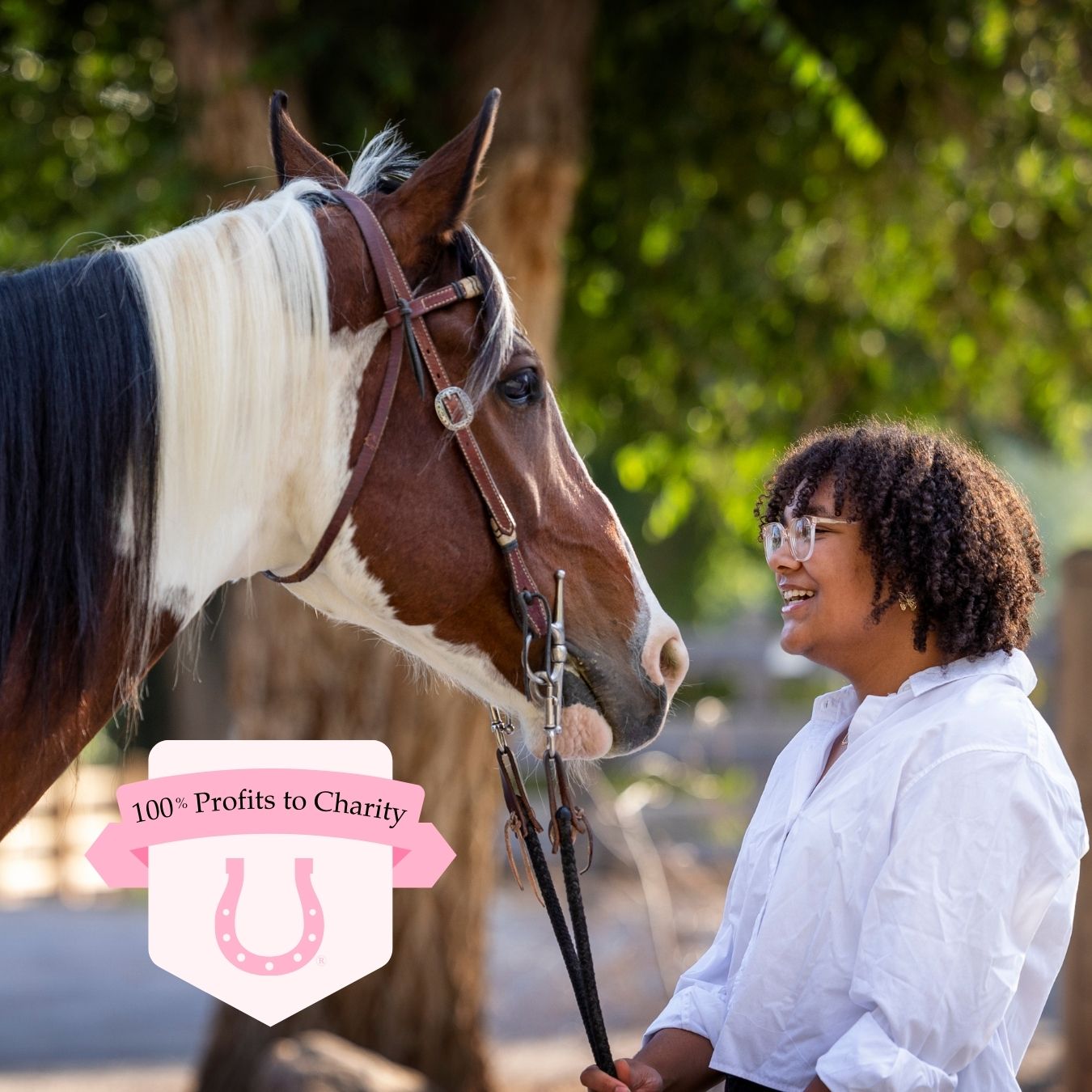
If you want your riding-inspired purchase to support a larger mission, browse the Bridle Up Hope Shop. The store offers equestrian and horse-themed goods across apparel, accessories, gifts, home items, and more, and its charitable model donates 100% of annual net profits to the Bridle Up Hope foundation, which supports girls and women through horses and habits.
Leave a comment