


You're probably here because a regular belt feels too ordinary, but a purely decorative one feels like a mistake. You want something polished, horse-inspired, and wearable enough to earn a place in your closet instead of hanging untouched on a hook.
That's exactly where a horse bit belt shines. It carries the clean lines of classic tack, adds structure to an outfit, and signals equestrian taste without shouting. The best ones do more than look pretty. They sit comfortably, hold their shape, and make sense with the clothes you wear.
Table of Contents
- An Essential Guide to the Horse Bit Belt
- From Stable to Style The Journey of the Horse Bit
- The Anatomy of a Modern Horse Bit Belt
- Finding Your Perfect Fit A Practical Sizing Guide
- How to Style Your Horse Bit Belt for Any Occasion
- A Gift That Gives Back with Bridle Up Hope
An Essential Guide to the Horse Bit Belt
A Horse Bit Belt is one of those rare accessories that works on two levels at once. It finishes an outfit with a crisp, clean line, and it carries real equestrian meaning. The bit-inspired buckle isn't random ornament. It echoes the hardware that has defined horse tack for centuries, which is why this style feels grounded rather than trendy.
That's also why the belt appeals to more than riders. Even if you've never pulled on tall boots before sunrise, you can still recognize the balance in it. It's refined, practical, and a little athletic. It pairs just as naturally with denim and loafers as it does with show-ring influenced pieces.
What makes this accessory worth choosing carefully is that small differences matter. A poor one twists, pinches, or looks oversized at the front. A good one lies flat, feels intentional, and gets better with use.
Practical rule: If the buckle looks beautiful on a table but feels bulky when you sit, it's not the right belt for daily wear.
A strong horse bit belt usually gets three things right:
- Proportion: The strap width suits your belt loops and your frame.
- Hardware: The bit detail looks substantial, not flimsy or overly bright.
- Wearability: The buckle placement doesn't jab your waist or pull awkwardly when you move.
There's also a deeper reason many horse lovers are drawn to this style. Equestrian design has always been about partnership, discipline, and care. Wearing that heritage as part of your everyday wardrobe can feel personal. When the purchase also supports a mission rooted in horses and hope, the belt becomes more than a finishing touch. It becomes a small expression of what you value.
From Stable to Style The Journey of the Horse Bit
The bit didn't begin as decoration. It began as a tool of communication and control between horse and rider, and its history gives the modern belt its authenticity.
Around 1000 B.C., nomadic herders in the steppes north of the Black Sea are identified as inventing the horse bit and bridle to better control horses while riding. That development helped enable mounted warfare and the rise of horse archers as a decisive military force, a turning point traced in this University of Connecticut report on the horse bit and bridle.
That origin matters because the bit was never just a metal shape. It changed mobility, communication, and power. Across Eurasia, better horse control supported faster travel, stronger military reach, and new forms of social and political organization. When you see a bit motif on a belt today, you're looking at a design with genuine historical weight.
The earliest materials were humble
Long before polished buckles and fine leather goods, the earliest horse bits were made from organic materials such as bone, rope, horn, hardwood, hemp rope, rawhide, and leather. Some evidence places the first bits as early as 3000 BC, with metal bits appearing around 1200 BC in bronze, according to this history of horse bit development from NRS World.
That long development is what makes the horse bit such a rich visual symbol in modern fashion. It connects soft materials and handwork with later engineering and metal craft. By the 4th century BC, harsher curb bits with high ports and long shanks had been invented to maximize control over war horses, showing how horse hardware evolved from simple restraint into a specialized system for exerting greater control.
Why that history still matters in style
A lot of equestrian-inspired fashion borrows freely from tack without understanding it. The horse bit belt has endured because it comes from a form that already makes visual sense. The shape is balanced. The lines are clean. The connection points feel purposeful.
The best equestrian style doesn't imitate the stable as costume. It borrows from equipment that was built to last and shaped by use.
That's why a horse bit buckle can look at home with a linen shirt, a blazer, or a riding jacket. It carries a quiet authority. You don't have to explain it for it to read as classic.
Here's the simplest way to think about the journey:
| Era | What changed | Why it matters now |
|---|---|---|
| Early horse control | Organic bits in rope, bone, leather, and similar materials | The aesthetic begins in utility, not ornament |
| Bronze-era development | Metal hardware appears | The visual language becomes more structured and enduring |
| Later specialization | More engineered control systems emerge | Modern bit-inspired accessories inherit a technical, refined look |
A horse bit belt works because it doesn't fake heritage. It wears it openly.
The Anatomy of a Modern Horse Bit Belt
A modern horse bit belt can look simple at first glance. In practice, it's a mix of choices that affect comfort, durability, and style far more than most shoppers expect.

The first thing I look at is the relationship between the strap and the hardware. If the bit buckle is too delicate for the leather, the belt looks flimsy. If the hardware is oversized on a thin strap, it starts to feel like costume jewelry for the waist.
What the hardware tells you
Material choice is where quality becomes visible over time. One premium example uses Horween Chromexcel leather with solid brass hardware, while another uses a polished stainless-steel horsebit buckle on a stretch belt. Those combinations represent two very different approaches, as described on this horse bit buckle belt product page.
Here's the trade-off in plain terms:
- Horween Chromexcel with solid brass: This suits the buyer who wants body, gradual break-in, and hardware that resists rust well in sweaty or humid conditions.
- Stainless steel on a stretch base: This suits the buyer who values surface corrosion resistance, flexibility, and easier day-to-day adjustability.
- Lightweight plated hardware: It can look attractive at first, but it's usually the first thing to show wear, dulling, or looseness.
If you already love small equestrian accessories, a snaffle bit bracelet carries the same design language in a lighter, more giftable format.
What separates a keeper from a costume piece
Construction details matter just as much as the headline material. Clean edge finishing, even stitching, and secure attachment at the buckle all affect whether the belt holds up or starts looking tired after regular wear.
I usually tell shoppers to inspect these points before they fall for the bit shape itself:
- Look at the edges: A belt with sloppy paint or rough cuts rarely improves with age.
- Check stiffness by touch: Too rigid and it fights your waist. Too soft and it collapses around the buckle.
- Study the back of the hardware: Secure attachment and smooth finishing help prevent twisting and snagging.
- Notice the finish tone: Very bright, mirror-like hardware can read flashy. Slightly softer metal often feels more grounded and expensive.
A horse bit belt should feel balanced in the hand before it ever reaches your closet.
There's also a style distinction worth noting. Leather belts with substantial metal hardware usually lean more traditional and equestrian. Stretch versions feel more modern and forgiving. Neither is wrong. They solve different problems. If you want heritage, choose body and structure. If you want flexibility for long days, a stretch design may be the smarter buy.
Finding Your Perfect Fit A Practical Sizing Guide
Fit is where most disappointment starts. People buy for the look of the buckle, then discover the belt rolls in the loops, lands awkwardly on the waist, or leaves too little adjustment once they sit down.

For horse bit belts, belt width is the key design variable. Fashion and equestrian styling commonly cluster around 1 to 1 1/8 inches, while more structured belts can be 4 cm, which is about 1.6 inches. Many include 5 buckle holes with up to 3 inches of adjustability, which you can see in this Equinavia Tirild Bit Belt listing.
Start with where you'll wear it
Don't begin with your pant size. Begin with the actual place the belt will sit.
- Measure over the garment you'll wear most often. A belt for high-rise jeans won't fit the same way as one worn over a knit dress or with breeches.
- Wrap a soft tape where the belt will rest. Keep it snug, not tight.
- Compare that measurement to the product's size method. Some belts are sized traditionally. Others rely on a hole range or flexible construction.
- Aim to fasten near the middle hole when possible. That leaves room for layering and seasonal fluctuation.
One practical option in a broader equestrian category is the Turquoise Trails Tooled Leather Belt, which gives shoppers another way to think about belt presence and outfit balance.
Use width to solve comfort problems
Width changes both appearance and feel. A narrower belt usually threads easily through standard loops and reads as more decorative. A wider strap spreads pressure better and tends to stay steadier at the waistband.
Use this quick comparison when you shop:
| Width | Best for | Watch for |
|---|---|---|
| 1 inch | Casual denim, standard loops, lighter styling | Can look too slight with heavy layers |
| 1 1/8 inches | Balanced everyday wear, polished casual looks | Usually the easiest middle ground |
| 4 cm or about 1.6 inches | Structured silhouettes, riding attire, stronger waist definition | May not fit every loop and can feel too bold on petite frames |
Fit check: If the buckle tips forward or the strap buckles under it, the issue is usually proportion, not your body.
If you're asking, “Will the buckle dig in?” the answer depends on three things. Hardware scale, where the belt sits, and whether the strap has enough structure to hold the buckle flat. A belt that fits correctly shouldn't feel like a hard object pressing into you every time you bend or sit. You should notice the style, not fight the hardware.
How to Style Your Horse Bit Belt for Any Occasion
A horse bit belt has more range than people think. It can lean polished, relaxed, or crisply structured depending on the clothing around it. The trick is to let the buckle act as a point of focus instead of piling on too many other statement elements.

There's also a practical reason styling matters. Most content about this accessory stops at appearance, even though shoppers often want answers about wearability, buckle comfort, and how the belt should sit compared with a standard style. That gap is noted on this horsebit belt product page discussing fit and safety questions.
Classic Equestrian
This is the most natural setting for the belt, but it shouldn't feel theatrical. Pair it with well-fitting breeches or slim trousers, a fitted knit or button-down, and tall boots or loafers. Add a quilted vest or a structured jacket if the weather calls for it.
The belt should sit flat and read as part of the line of the outfit, not as a separate “theme” piece. Choose cleaner metal, a traditional leather strap, and understated jewelry.
Effortless Weekend
This is where a horse bit belt earns its keep. Thread it through high-rise denim, add a crisp white shirt or soft sweater, and finish with loafers, ankle boots, or simple sneakers depending on the day.
For weekend wear, comfort matters more than purity. If you know you'll be sitting for long stretches, choose a buckle that isn't oversized and avoid placing it directly under the tightest point of the waistband.
- With straight-leg jeans: A medium-scale bit buckle gives enough interest without dominating.
- With a knit dress: Wear the belt at the natural waist only if the buckle lies flat. If it flips forward, the strap may be too narrow for the hardware.
- With layered outerwear: A slightly broader belt usually holds its visual line better.
If the outfit already has strong hardware on shoes, bag, and jewelry, the belt should be quieter.
Polished Professional
A horse bit belt can work beautifully in office dressing when the rest of the look is restrained. Think trousers, a sheath dress, or a skirt with a tucked blouse. In that setting, the belt acts almost like a piece of refined jewelry.
Keep the finish refined. Smooth leather, moderate shine, and a buckle that doesn't protrude too far are the safest choices. If you sit at a desk most of the day, test the belt seated before committing to it for work.
Here's what usually works and what doesn't:
| Works well | Usually falls flat |
|---|---|
| One strong horse-bit detail with clean basics | Belt plus multiple flashy equestrian motifs |
| A buckle scaled to your frame | Oversized hardware on a short torso |
| Smooth, structured leather for office wear | Very soft belts that twist under tailored clothing |
The most overlooked rule is simple. A horse bit belt should move with you. If you constantly tug it back into place, the style is wrong for that outfit, no matter how good it looked in the mirror.
A Gift That Gives Back with Bridle Up Hope
A horse bit belt makes sense as a gift because it feels personal without being overly specific. It speaks to horse culture, but it's still useful in everyday life. That combination is rare. Many equestrian gifts are charming but decorative. A well-chosen belt gets worn.
That matters even more when the purchase carries purpose. For shoppers who want a horse-inspired present with meaning behind it, accessories tied to a charitable mission can feel far more thoughtful than something generic or trend-driven.

Why it makes a meaningful gift
The strongest gifts usually connect identity and use. A horse bit belt does both. It nods to riding heritage, works across seasons, and can suit women who prefer classic English polish, Western influence, or an everyday mix of both.
If you're buying for someone else, think less about making a bold statement and more about making their wardrobe easier. Neutral leather, moderate hardware, and wearable proportions usually give the gift a longer life.
A companion piece can also make the gift feel complete. The Reins of Hope Bracelet is one example of an equestrian accessory that keeps the horse-inspired theme consistent without repeating the same item.
Buy with purpose
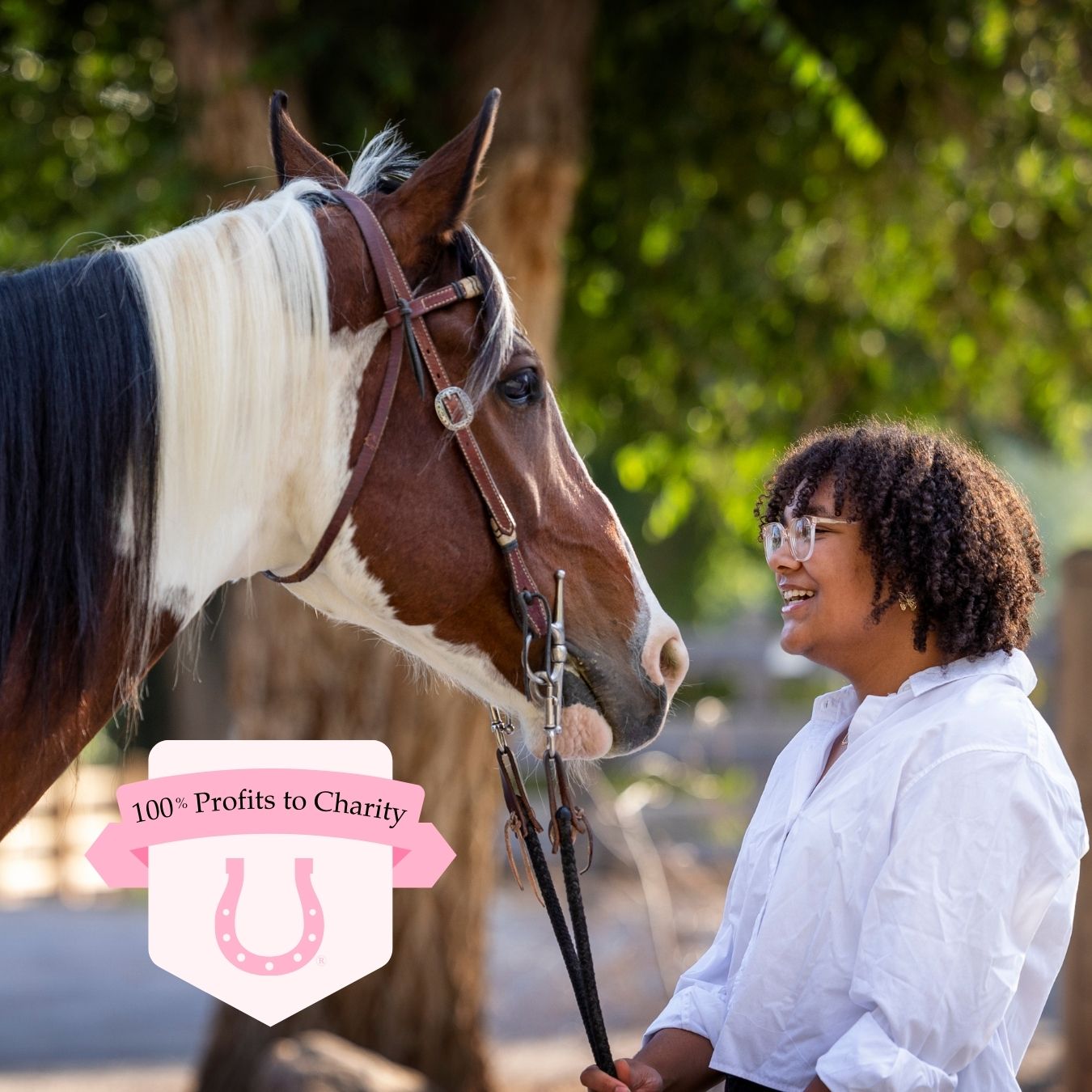
Bridle Up Hope Shop matters because the purchase goes beyond style. According to the publisher information provided for this article, 100% of the shop's profits are donated to the Bridle Up Hope foundation, a charity dedicated to changing the lives of girls and women through horses and habits.
That kind of mission changes the feel of the purchase. You're not only choosing something handsome and practical. You're also backing work rooted in hope, confidence, and the profound relationship between people and horses.
For horse lovers, that's the right kind of full-circle story. A design that began in equestrian function becomes a wearable gift with social purpose.
If you're ready to choose something that reflects real horse heritage and supports a meaningful cause, browse the Bridle Up Hope Shop for equestrian-inspired gifts and accessories that give back.
Leave a comment