


You're standing at the tack room door, coffee in one hand, jeans in the other, trying to decide what to wear for the ride ahead. Maybe it's a long trail morning where comfort matters more than sparkle. Maybe it's your first western class, and suddenly every shirt, hat, and boot seems to carry an unspoken rule. Most riders hit this point. They want gear that works, feels right, and still looks like them.
That's why western riding apparel for women deserves a more careful approach than “buy the cute version.” In the saddle, small design details matter. A waistband that shifts can distract you every stride. A loose neckline can create a real safety problem. A beautiful boot made for sidewalks may not belong anywhere near a stirrup. At the same time, western style is personal. Riders want practical clothing, but they also want color, shape, and pieces that reflect their taste.
Table of Contents
- Introduction to Western Riding Apparel for Women
- Understanding Western Riding Apparel Categories
- Choosing Apparel for Trail and Show Riding
- Fit and Sizing Tips for Women Riders
- Materials Care and Safety Considerations
- Styling Ideas for English and Western Aesthetics
- Ethical and Charitable Buying Guide
- Conclusion Bringing It All Together
Introduction to Western Riding Apparel for Women
A rider getting ready for a sunrise lesson usually makes choices in a very specific order. Boots first. Then jeans. Then the shirt that won't tug across the shoulders when she reaches forward to adjust a rein. If the weather turns cool, the jacket has to layer cleanly without bunching under the arm. By the time she's mounted, every clothing choice either supports the ride or gets in its way.
That practical reality helps explain why women are shaping this category so strongly. The women's western wear segment is the fastest-growing end-user category in the global western apparel market, expanding at a projected 6.9% CAGR through 2034 and capturing 35.2% of total market value in 2025, according to Market Intelo's western wear market report. Riders aren't just buying more pieces. They're pushing brands to make apparel that handles real work while still looking polished.
Why women's gear needs its own lens
Women's western gear isn't merely smaller men's gear with pink stitching. Body shape, seat position, torso length, hip curve, and shoulder mobility all affect how clothing behaves once you're in the saddle. A shirt that feels fine in the store can pull tight when you lift your arms. Jeans that look flattering standing up may dig into your waist once you sit deep in a western saddle.
Practical rule: If a piece only works while you're standing in a dressing room, it doesn't fit for riding.
Style matters too. Western riders move across different settings in one day. You may clean stalls, school in the arena, grab lunch in town, and head to a local event without changing completely. Good apparel lets you do that without feeling underdressed, overdone, or restricted.
What smart selection looks like
Think of your clothing the way you think about tack. You wouldn't choose a saddle only by its tooling pattern. You'd ask whether it fits the horse, suits the job, and helps you ride well. Apparel works the same way.
A strong western wardrobe usually does three things at once:
- Protects your position: Boots, jeans, and outer layers should support safe contact with saddle, stirrup, and horse.
- Allows clean movement: You need reach through the shoulders, bend through the knee, and coverage through the waist.
- Reflects your style: Color, silhouette, and detailing should feel authentic, not costume-like.
Understanding Western Riding Apparel Categories
The easiest way to shop without wasting money is to know what each category is supposed to do. Once you understand the job of each piece, the labels on a product page become much less confusing.

What each category does
Boots sit at the foundation. Riding boots should help your foot sit correctly in the stirrup and stay stable while you mount, dismount, and work on the ground. For western riding, many riders prefer a defined heel and a profile that moves cleanly in and out of the stirrup.
Jeans are your second skin in the saddle. They need enough structure to hold shape and enough give to let you post, sit, and swing a leg over without feeling trapped. Seams matter more than many beginners realize.
Shirts do more than complete the look. They control sun exposure, range of motion, and temperature. Some riders want classic snap-front western shirts. Others prefer technical fabrics that wick sweat and dry fast.
Jackets and vests add weather protection, but only if they don't interfere with rein handling or shoulder movement. A stiff or bulky jacket can make your arms feel heavy, which then travels straight down the reins to the horse.
Hats offer western identity and practical shade. If you're sorting through styles for casual wear or event use, browsing a range like wholesale cheap cowboy hats can help you compare crown shapes and brim widths before investing in a more discipline-specific choice.
Helmets belong in the conversation even in western spaces where tradition often spotlights hats first. Riders need to decide where safety standards fit into their own program, especially during schooling, young horse work, or speed events.
Chaps and specialized pieces include show vests, wild rags, and protective layers used for weather, grip, polish, or discipline-specific presentation.
For a broader visual breakdown of apparel types and outfit uses, this guide on western riding apparel ideas can help you compare categories in context.
How to tell riding gear from fashion gear
A simple test helps. Ask, “Would this still work if I spent hours in a saddle?”
If the answer is no, it may be western-inspired fashion rather than riding apparel.
Here's a quick sorting table:
| Category | Riding-focused signs | Fashion-only warning signs |
|---|---|---|
| Boots | Stable heel, secure fit, stirrup-friendly shape | Slippery fit, overly soft structure, decoration that catches |
| Jeans | Comfortable seat, durable denim, ride-friendly seam placement | Pinching waistband, stiff knee, heavy rubbing seams |
| Shirts | Reach through shoulders, secure closures, breathable fabric | Tight armholes, gaping front, loose details that flap |
| Outerwear | Streamlined fit, easy layering, no bulk at seat | Cropped awkwardly, bunches at elbows, catches on tack |
A good western outfit should behave like a good saddle pad. You shouldn't have to think about it once the ride starts.
Choosing Apparel for Trail and Show Riding
Trail riding and show riding may both happen in a western saddle, but the clothing priorities are different. One asks, “Can I stay comfortable for hours?” The other asks, “Does every detail read clean and intentional from the rail?”

What trail riders need first
Trail gear should disappear into the work. You want pieces that hold up through dust, sweat, weather changes, and long periods in the saddle.
Start with comfort where it counts most:
- Boots for uneven ground: Choose a pair you can walk in before and after the ride, not just sit in.
- Jeans that stay put: A waistband that rides down on every incline becomes exhausting.
- Shirts with real sleeve function: Long sleeves can protect from sun and brush, but only if they don't bind when you reach.
- Outer layers with purpose: A lightweight jacket or vest should block wind without making your torso stiff.
For trail riding, it helps to think like a packer. Every item needs a job. Decorative trim, fussy closures, and fragile fabrics usually become liabilities.
What the show ring asks for
Show clothing is still functional, but the margin for visual detail is much narrower. Clean fit, coordination, and maintenance matter more. A dark, tidy jean can read sharper than a faded pair. A structured jacket or crisp shirt frames the rider's upper body and can make your whole picture look more balanced.
The key is polish without rigidity. If a show jacket is so tight that you can't move your arms softly, your hands will tell on you before the judge ever notices the garment itself.
Consider this side-by-side:
| Ride setting | Main goal | Best clothing mindset |
|---|---|---|
| Trail | Endurance, protection, ease | Choose forgiving, breathable, hard-wearing pieces |
| Show | Presentation, discipline standards, clean silhouette | Choose tailored, coordinated, carefully maintained pieces |
For trail, dress so you can forget your clothes. For shows, dress so the judge notices the whole picture, not any one problem.
One useful habit is to build from the boot upward. For trail, pick the boot you'd trust on a long dismount over rough ground. For shows, pick the boot you can clean and present sharply. Then match jean, shirt, and outer layer to that purpose rather than trying to make one outfit cover every riding context.
Fit and Sizing Tips for Women Riders
Fit problems rarely announce themselves with a giant red flag. They show up as small annoyances. Your shirt creeps backward. Your jeans pinch when you sit. Your boots feel fine for ten minutes, then start rubbing. Those little failures chip away at balance and focus.
That's especially important because 68% of female Western riders report discomfort or reduced mobility in standard-fit jeans and boots due to poor torso-to-leg proportion matching, while only 12% of retail apparel brands offer size-inclusive Western cuts, according to the verified study cited in the brief.

How to measure for riding clothes
Before you buy, take four basic measurements at home: waist, inseam, chest, and sleeve length. Use a soft tape and wear the kind of undergarments or base layers you'd ride in.
A few points matter:
- Measure your waist where the garment will sit. Mid-rise and high-rise western jeans don't land in the same place.
- Take inseam with boots in mind. Riding jeans usually need enough length to cover the boot when seated.
- Check chest and shoulder room together. A shirt can fit your bust and still fail across your back.
- Measure sleeves with a bend in your arm. Straight-arm measurements can leave you short once you hold reins.
This fitting walkthrough can help you visualize how riders test clothing on different body types:
How to solve common fit problems
The hardest riders to fit are often those with proportions that standard charts don't expect. Tall torso. Broad shoulders. Fuller thigh with smaller waist. Petite frame with regular calf width. None of these are unusual in a barn, yet many product listings still assume one straight template.
Try these practical fixes:
- If shirts pull when you reach: Size for shoulder mobility first, then tailor the waist if needed.
- If jeans gap in back: Look for a higher rise or contoured waistband before sizing down through the hips.
- If boots fit the foot but not the calf: Change shaft shape or material before changing shoe size.
- If inseams seem inconsistent: Test jeans in a seated position, because riding length and standing length often feel different.
A good next step for riders who need more room through specific areas is to review dedicated resources on plus size horse riding clothes, especially when standard cuts keep forcing tradeoffs between comfort and coverage.
A barn-side fit checklist
Use this quick check before you remove tags:
- Sit test: Sit on a chair with hips slightly forward, like a saddle seat.
- Reach test: Lift both arms as if adjusting reins or opening a gate.
- Bend test: Step up onto a low stool or tack trunk to mimic mounting.
- Layer test: Add the vest or jacket you'd wear over the shirt.
If one area fails, don't talk yourself into keeping it. Riders often normalize discomfort because they think all western clothing needs a “break-in phase.” Some pieces do soften. Poor fit usually doesn't.
Materials Care and Safety Considerations
A neglected piece of riding apparel doesn't just look worn. It can change how the garment performs. Leather dries and stiffens. Denim weakens where it rubs hardest. Closures loosen. Stretch fabrics lose recovery and start sliding where they should stay anchored.

How to care for the main materials
Think of care like feeding and conditioning a horse. Small, regular attention beats occasional rescue work.
Leather boots need dirt removed before conditioning. If you rub conditioner over grit, you can grind that debris deeper into the surface. Let wet boots dry naturally away from direct heat, then restore suppleness with appropriate leather care.
Denim riding jeans last longer when you turn them inside out before washing and avoid overly harsh drying. Seat and inner leg areas take the most friction, so inspect those spots first.
One detail matters a great deal in western jeans for women. Horse Rookie's guide to riding pants notes that western riding jeans should have flattened inside seams to reduce chafing against the saddle. The Women's Wrangler Ultimate Riding Jean Willow Mid-Rise Boot Cut is given as an example of a design built to reduce abrasion while maintaining coverage in the saddle. That's a useful reminder that comfort features are construction features, not decoration.
Performance tops and base layers should be washed according to fabric type, especially if they use stretch or moisture-managing blends. Fabric softener can interfere with how some technical materials feel and perform.
Safety checks riders often skip
The biggest apparel mistake I see at the barn isn't usually ugly. It's loose.
Open or loosely fastened upper garments can snag on the Western saddle horn during a fall, creating a suspension risk that traps the rider beneath the horse. Experts recommend fully closed necklines and avoiding scarves when mounted, as noted in Kramer's western outerwear safety guidance.
That sounds dramatic because it is. A soft blouse, hoodie string, open gilet, or scarf can become dangerous in one bad moment.
Use this pre-ride clothing check:
- Close what should close: Fasten upper garments fully if they're designed to be worn shut while riding.
- Remove snag risks: Skip scarves and anything that dangles near horn, reins, or buckles.
- Inspect seam wear: Look at inner thighs, hems, and underarm seams for thinning or separation.
- Check boot condition: Watch for sole damage, unstable heels, or stretched-out fit through the instep.
Clothing should never create a second emergency after a fall.
A clean, stylish outfit only counts as good gear if it stays out of the way when things go wrong.
Styling Ideas for English and Western Aesthetics
Some riders love the relaxed confidence of western style but also appreciate the tidy lines of English apparel. That combination can work beautifully if you build the outfit around function first and visual language second.
A useful trend sits right in that overlap. A 2025 National Horse Show survey found that 43% of female Western riders wear riding attire outside the arena for social settings, yet only 9% of online articles discuss the fabric technologies that support that dual-use trend, according to the verified data in the brief. That gap explains why so many riders know the look they want, but not how to build it with pieces that still ride well.
How to blend the two looks
The trick is balance. Western style often leans broader in silhouette and stronger in visible detail. English style often leans cleaner, narrower, and more fitted. If you combine both at full strength, the outfit can look confused.
Instead, pair one structured influence with one relaxed influence:
- A fitted collared riding shirt under a western vest
- Dark, clean riding jeans with a simple belt and polished boot
- A denim jacket over well-fitting schooling basics
- Minimal jewelry with one statement western piece, not five
For inspiration on mixing silhouettes, fabrics, and equestrian wardrobe staples across traditions, this gallery of equestrian style clothing ideas offers a useful visual starting point.
Outfit ideas for barn and beyond
For a casual barn visit, wear dark jeans, a long-sleeve technical top, and a western belt. Add a denim or canvas layer if the temperature drops. The look reads practical, not try-hard.
For an arena-ready hybrid, choose a crisp button-down with enough stretch through the shoulders, clean boot-cut jeans, and a vest that defines your waist without restricting your arms. This works especially well for clinics, lessons, or schooling days where you want polish but not full show formality.
For an off-duty social look, keep the riding bones of the outfit and soften the finish. A tidy riding jean, refined boot, and western graphic tee can work well, especially when the shirt has a vintage wash and restrained color palette rather than oversized embellishment.
If you want one outfit to move from barn to town, let the fabric do the hard work and keep the accessories simple.
Color helps too. Earth tones, cream, denim blue, black, and muted jewel tones bridge English and western aesthetics more easily than high-contrast novelty palettes. The result feels intentional, not costume-like.
Ethical and Charitable Buying Guide
Clothing choices don't stop at fit and appearance. They also reflect what kind of businesses you want to support. In equestrian spaces, where many purchases are emotional as well as practical, that matters more than people sometimes admit.
What ethical shopping looks like in practice
An ethical purchase usually answers three questions clearly. Who made this? What is it made from? Where does the money go?
Some brands focus on material choices. Others emphasize fair labor, small-batch production, repairability, or long-term wear. A charitable model adds another layer. Instead of only reducing harm, it directs value outward.
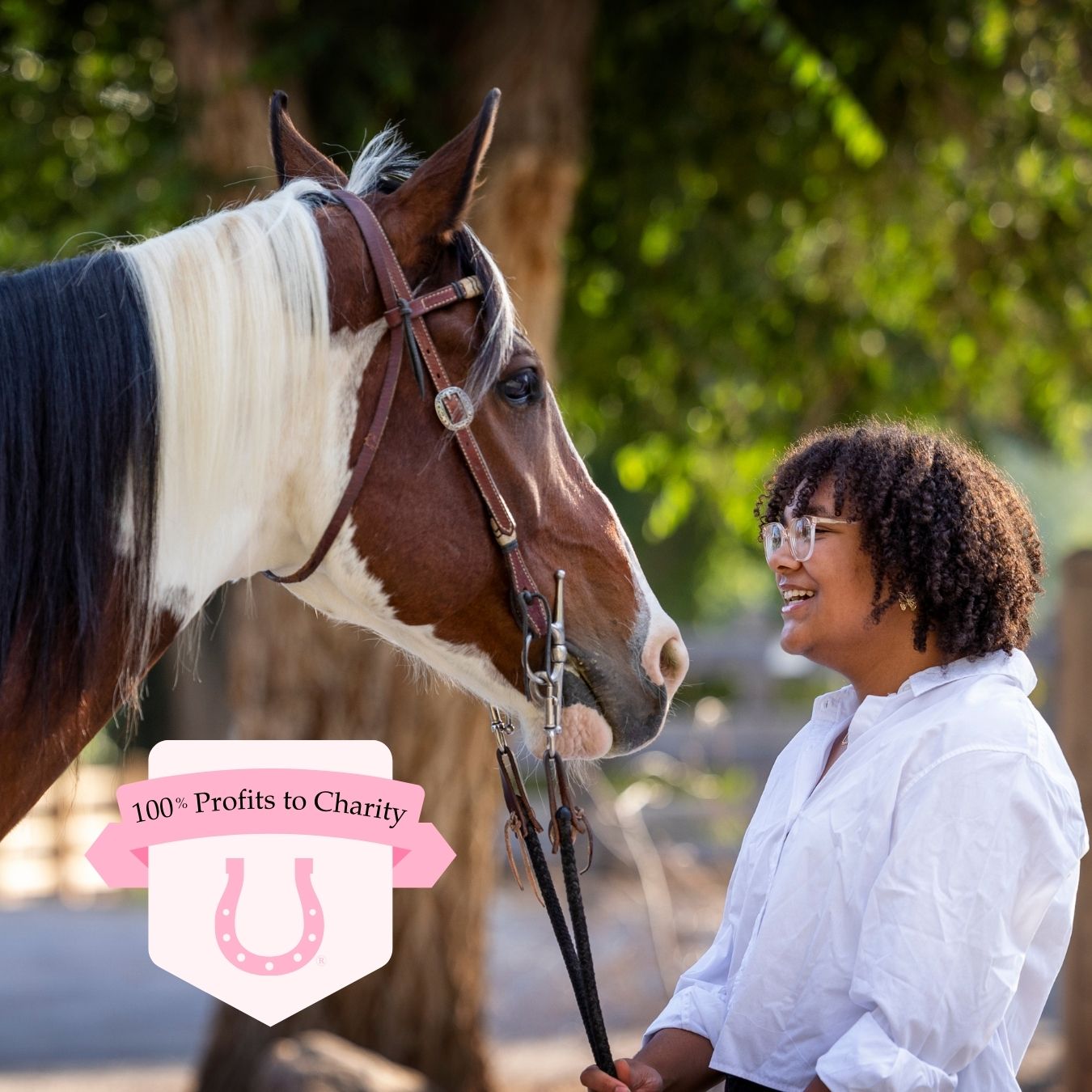
One example is Bridle Up Hope Shop, an equestrian and horse-themed retailer whose published model states that it donates 100% of annual net profits to the Bridle Up Hope foundation. That doesn't make every product automatically right for every rider, but it does give values-minded shoppers a concrete standard to weigh alongside style and function.
Questions to ask before you buy
Use a short filter before adding to cart:
- Is the brand transparent: Can you quickly find information about materials, sourcing, or mission?
- Will you use it often: The most ethical item is often the one you'll wear repeatedly, care for properly, and keep for years.
- Does the design support riding or only appearance: A beautiful piece that fails in the saddle usually becomes waste.
- Does the purchase align with your values: Charity support, fair production, and durability all count.
A thoughtful wardrobe grows more slowly. That's usually a good sign. Riders who buy with a plan tend to end up with fewer regret purchases and more pieces that belong in their barn life.
Conclusion Bringing It All Together
Good western riding apparel for women works like good horsemanship. It looks calm from the outside because the details were handled well. Choose pieces that match the job, fit your body in motion, stay safe around tack, and hold up under real use. Then shape the look so it still feels like you, whether you ride trail, step into the show ring, or head into town afterward. The strongest wardrobe isn't the flashiest one. It's the one you trust every time you swing a leg over.
If you want your purchases to support equestrian life beyond your own closet, browse Bridle Up Hope Shop for western- and horse-inspired apparel, gifts, and home goods backed by a charitable model that supports girls and women through horses and habits.
Leave a comment