


You're standing in the toy aisle with a child who can identify a horse breed faster than you can choose a present. One plush horse looks adorable, another has a tiny saddle and removable accessories, and a third promises hours of imaginative play. You want the gift to feel special, but you also want it to be safe, durable, and useful beyond the excitement of unwrapping it.
The smartest approach to gifts for horse lovers kids is to start with the child, not the product. Consider their age, how they play, whether they ride, and what they already return to day after day. A carefully chosen board book may outlast a complicated playset, while a sturdy backpack or riding-adjacent accessory may suit an older child better than another stuffed animal.
Table of Contents
- Finding the Perfect Horse Gift for Your Child
- Understanding the World of Equestrian Gifts
- Prioritizing Safety in Horse-Themed Toys
- Choosing Gifts by Age and Interest
- Adding Meaning with Charitable Gifting
- Final Tips for Successful Horse Gift Giving
Finding the Perfect Horse Gift for Your Child
Last holiday season, a friend asked me to help choose a horse gift for her preschooler. Her daughter loved ponies, but she wasn't riding yet and still put nearly everything in her mouth. The miniature stable set on her wish list had tiny fences, tack pieces, and detachable figures. It looked exciting in the box, but it was the wrong choice for her stage of play.
We settled on a large, firmly stitched plush horse, a board book, and a simple horse-themed blanket. The presents matched her interests without asking her to manage pieces she could lose or misuse. Months later, the plush horse still had a name, a place at bedtime, and a regular role in imaginative games.
That experience captures the central rule: the best horse gift is the one a child can use independently and safely. A gift doesn't need to imitate real riding to feel connected to horses. Children build that connection through stories, pretend care, art, movement, clothing, and repeated play.
Start with the child's actual interest
Ask what your child loves about horses. Their answer usually points toward the right category:
- Stories and animals: Choose a board book, illustrated horse book, or plush companion.
- Pretend play: Look for a hobby horse, larger play figures, or a simple grooming-themed activity.
- Art and making: Consider stickers, journals, coloring materials, or a horse-themed craft.
- Riding dreams: Pick a practical accessory only if it matches their current activity level.
- Personal style: Horse-print pajamas, socks, hats, or a backpack can become useful everyday gifts.
Avoid buying for the rider you hope your child will become. A child who adores horses but doesn't ride may get far more use from books and pretend-play items than from equipment designed for the stable.
Practical rule: Choose the gift that fits the child's current habits, not the adult's idea of the perfect equestrian future.
Meaning matters, too. Horse gifts can introduce children to care, patience, responsibility, and imagination without making the present feel like a lesson. Prioritize sturdy construction, washable materials, readable age guidance, and a design that invites repeated use. Novelty is enjoyable for a moment. A well-matched gift becomes part of the child's routine.
Understanding the World of Equestrian Gifts
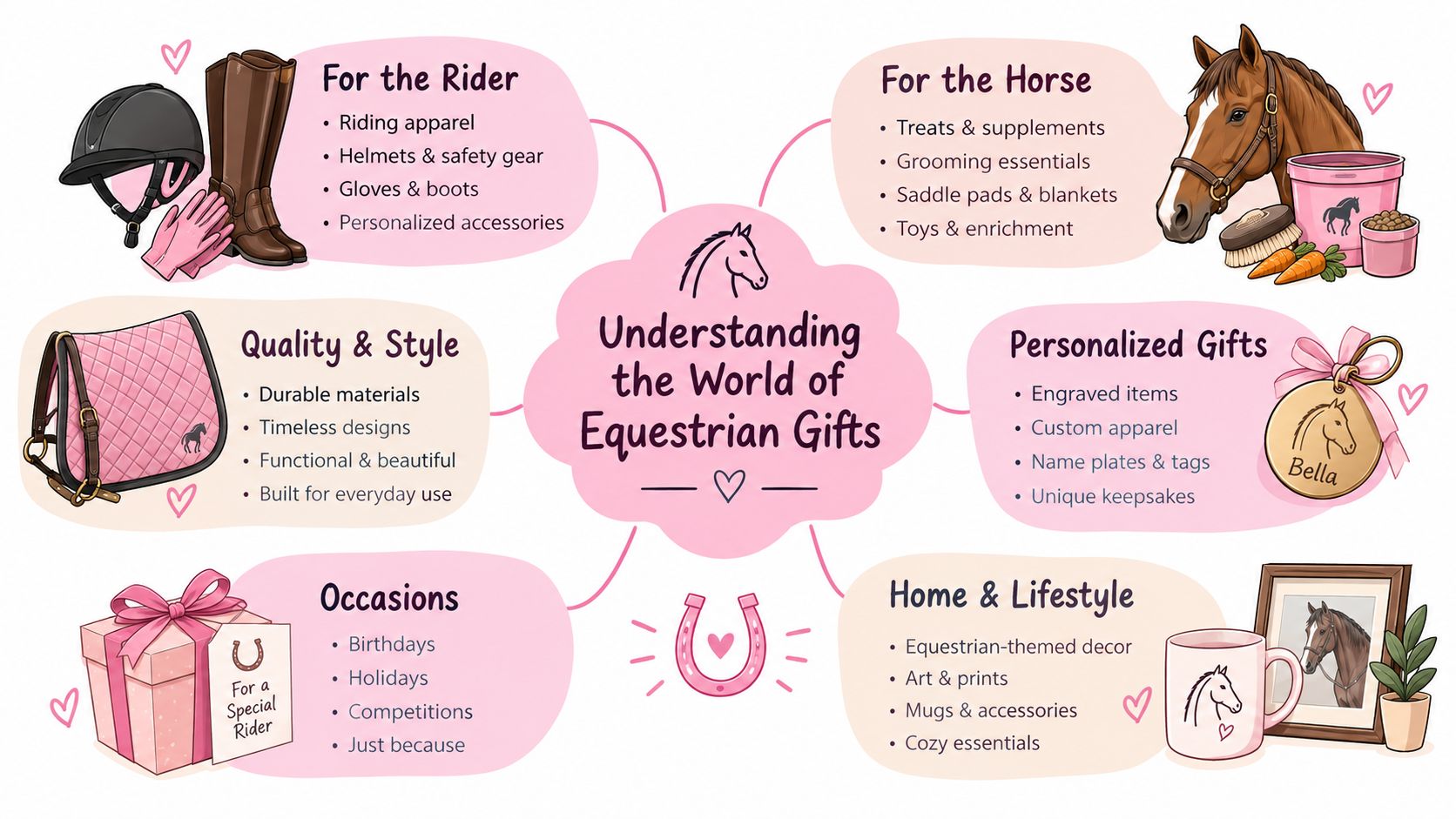
Horse-themed products belong to a broad equestrian culture, not a tiny specialty hobby. A major horse industry report estimated about 58 million horses worldwide in 2007, with approximately 9.2 million in the Americas and 6.2 million in Europe. It also found that 47.7% of the global herd was concentrated in Asia and the Middle East, illustrating the wide cultural reach of horse-related interests. These figures appear in UK equine safety guidance.
That breadth explains why children's gifts appear in so many forms. English-inspired products may emphasize riding traditions, schooling, and polished stable imagery. Western-style gifts often use ranch, rodeo, and frontier themes. Other products have no riding identity at all. A soft horse, a story about a pony, or a horse-shaped night-light can appeal to a child who has never sat in a saddle.
A gift can be a low-commitment connection
Direct riding requires access, instruction, suitable facilities, and a family willing to manage the practical demands. Horse-themed products offer another route into the culture. Books teach vocabulary and behavior. Pretend-care toys turn grooming and stable routines into play. Apparel and room items let children express an interest that may still be developing.
Youth participation also supports the idea that children form a meaningful audience within equestrian life. In the UK, around 199,000 children and young people ride weekly, while participation among riders aged 15 to 24 has risen by roughly 10% over the past five years, according to coverage of youth development in British equestrian sport. British Equestrian reported an 11.7% rise in participation across its member bodies between 2023 and 2024 in the same source.
Those figures don't mean every horse-loving child should receive riding equipment. They show why the product range needs to cover many levels of involvement. A preschooler may need a large plush animal. A school-age child may want books, stickers, or a hobby horse. An older beginner may appreciate a practical bag or clothing item that supports lessons without pretending to replace proper gear.
A short video can also help families compare the imaginative and active sides of horse play:
The useful question isn't “Does this look equestrian enough?” Ask instead, “How will my child use this on an ordinary day?” That question filters out many fragile ornaments and points you toward gifts with real staying power.
Prioritizing Safety in Horse-Themed Toys
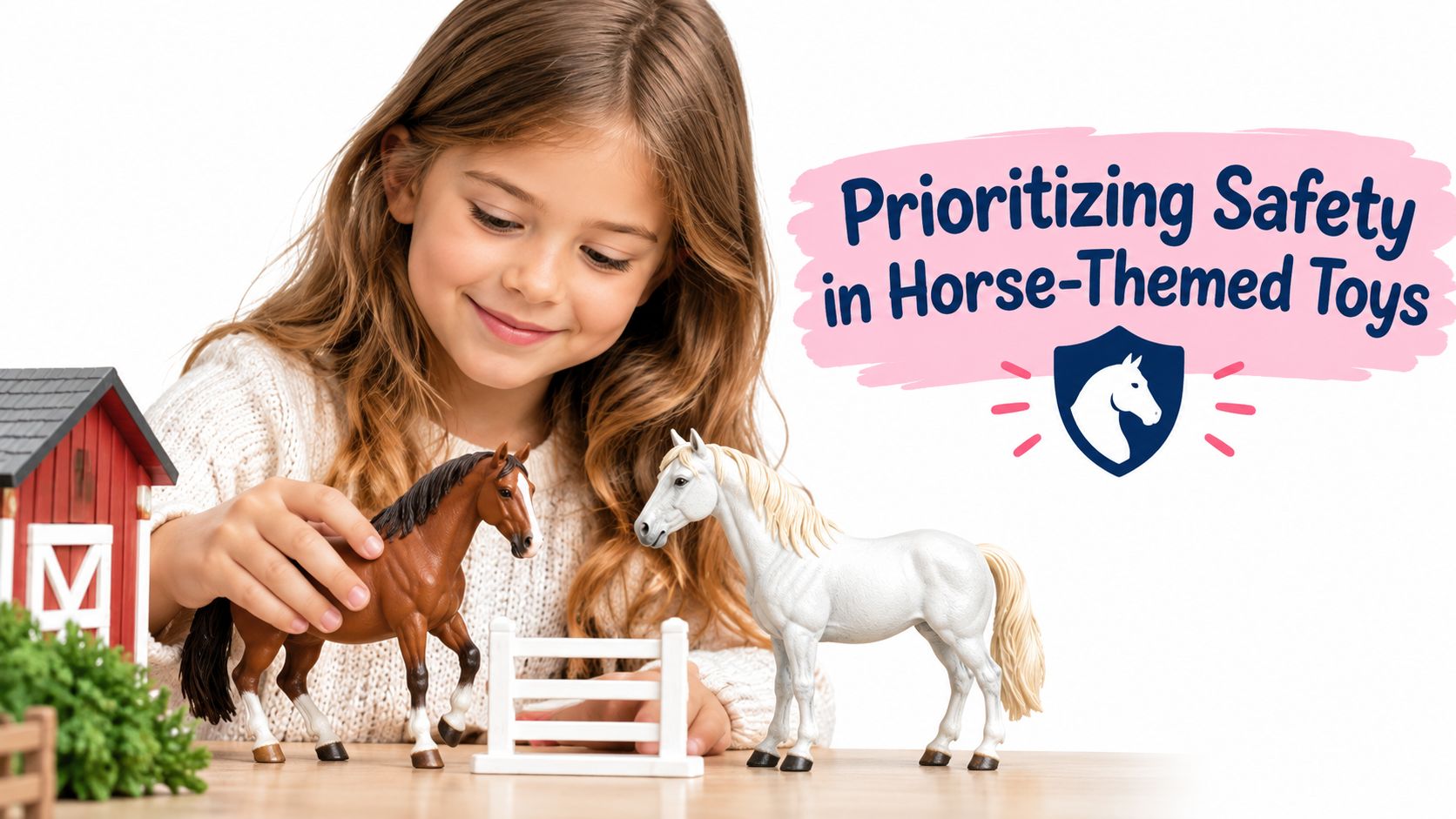
Safety has to come before charm, especially for children under three. A horse plush with stitched features is not the same risk as a miniature figure with a loose bridle, bead eyes, detachable reins, or a small clip. Those details may make a product look realistic, but they can create hazards during ordinary handling.
The Consumer Product Safety Commission's toy-safety guidance defines a small part as one that fits completely inside a small-parts cylinder approximating the expanded throat of a child under three. Toys intended for that age group must not contain or release small parts after abuse testing. The testing considers impacts, flexing, torque, tension, and compression, which matters because children don't use toys gently or predictably.
Use a simple safety screen
Before buying a horse-themed toy for a young child, check the following:
- Read the age label. Treat it as a safety signal, not a suggestion. A product intended for older children may include parts that a toddler can detach or swallow.
- Inspect the construction. Look for embroidered eyes, firmly stitched seams, oversized components, and single-piece designs. Be cautious with glued decorations and thin accessories.
- Consider the whole play environment. A gift may be safe when used as designed but unsuitable around a younger sibling who can access the pieces.
- Choose size over realism. Independent pediatric guidance suggests toys should be at least 1.25 inches in diameter and 2.25 inches long to reduce the risk of airway lodging. The benchmark is included in the ASTM toy-safety standard information.
For children under three, I prefer a large plush horse, a board book with sturdy pages, or a simple fabric item over a miniature stable. The safest design usually has fewer detachable elements and fewer opportunities for a child to pull, twist, or bite off a feature.
Match complexity to development
Official toy-safety guidance covers a broad under-14 scope for toy standards, while certification and labeling obligations specifically concern children 12 and under. The strictest small-part restrictions apply to under-three users. That makes age grading especially important when a horse set includes figurines, fences, buckets, grooming tools, or tack.
Don't let an older sibling's enthusiasm determine a toddler's gift. Store complex sets separately if young children share a playroom, and inspect older toys periodically for cracked plastic, loose stitching, or missing parts. For riding-related purchases, use horse-riding gear guidance for kids as a starting point, then confirm fit and suitability with the child's instructor.
Choosing Gifts by Age and Interest
A horse gift should feel like a natural extension of the child's play. The same product can be wonderful for one age group and frustrating, unsafe, or boring for another. I use three practical bands: under six, six to nine, and ten to fourteen. Within each band, the child's activity level matters as much as their birthday.
| Age and activity | Strong choices | What to avoid |
|---|---|---|
| Under six, especially non-riders | Large plush horses, board books, simple fabric items, oversized pretend-play pieces | Miniature tack, tiny figurines, fragile ornaments |
| Six to nine, imaginative or creative players | Stickers, journals, art materials, larger playsets, horse stories | Gifts that require advanced care or have easily lost parts |
| Ten to fourteen, beginner or committed riders | Detailed books, practical bags, clothing, riding-adjacent accessories, personal items | Equipment chosen without checking fit or activity needs |
Under six
For toddlers and preschoolers, sensory appeal and simplicity win. A soft horse with embroidered features can become a companion for pretend feeding, bedtime, and storytelling. Board books work well because children can revisit them independently and adults can read them aloud without turning the gift into a formal activity.
A hobby horse can suit an active child who likes movement, but check its construction and storage needs. Choose a version with secure features and enough space for safe play. If the child is under three, use the safety checks above before considering any toy with a stick, accessory, or detachable component.
Six to nine
School-age children often want more control over the story. They may draw horses, name imaginary ponies, arrange a stable scene, or create their own competitions. This is a good stage for creative desk gifts, horse stickers, journals, larger role-play items, and books with enough detail to reward rereading.
A child who enjoys organization may prefer a horse-themed notebook or room accessory to another toy. A child who plays with siblings may get more value from a durable game or shared storytelling set. For further ideas, compare age and play-style options in this guide to the best horse toys for kids.
Ten to fourteen
Older children usually want gifts that respect their growing independence. A detailed horse book, useful backpack, riding-themed clothing item, or stable-inspired accessory can feel more personal than a toy intended for younger children. If they ride, ask what they need before buying technical equipment. Fit, discipline, and instructor preferences matter.
If they don't ride, don't force the gift toward equipment. Horse photography, breed books, jewelry, art, or a well-made room item may better match their interest. The best present at this age often combines identity and usefulness, something they can carry, wear, read, or display without outgrowing it immediately.
Adding Meaning with Charitable Gifting
A thoughtful horse gift can do two jobs. It can delight the child, and it can reflect the values of the person giving it. That second layer matters when the recipient is learning that horses represent more than toys or competitions. They can also represent confidence, responsibility, patience, and community.
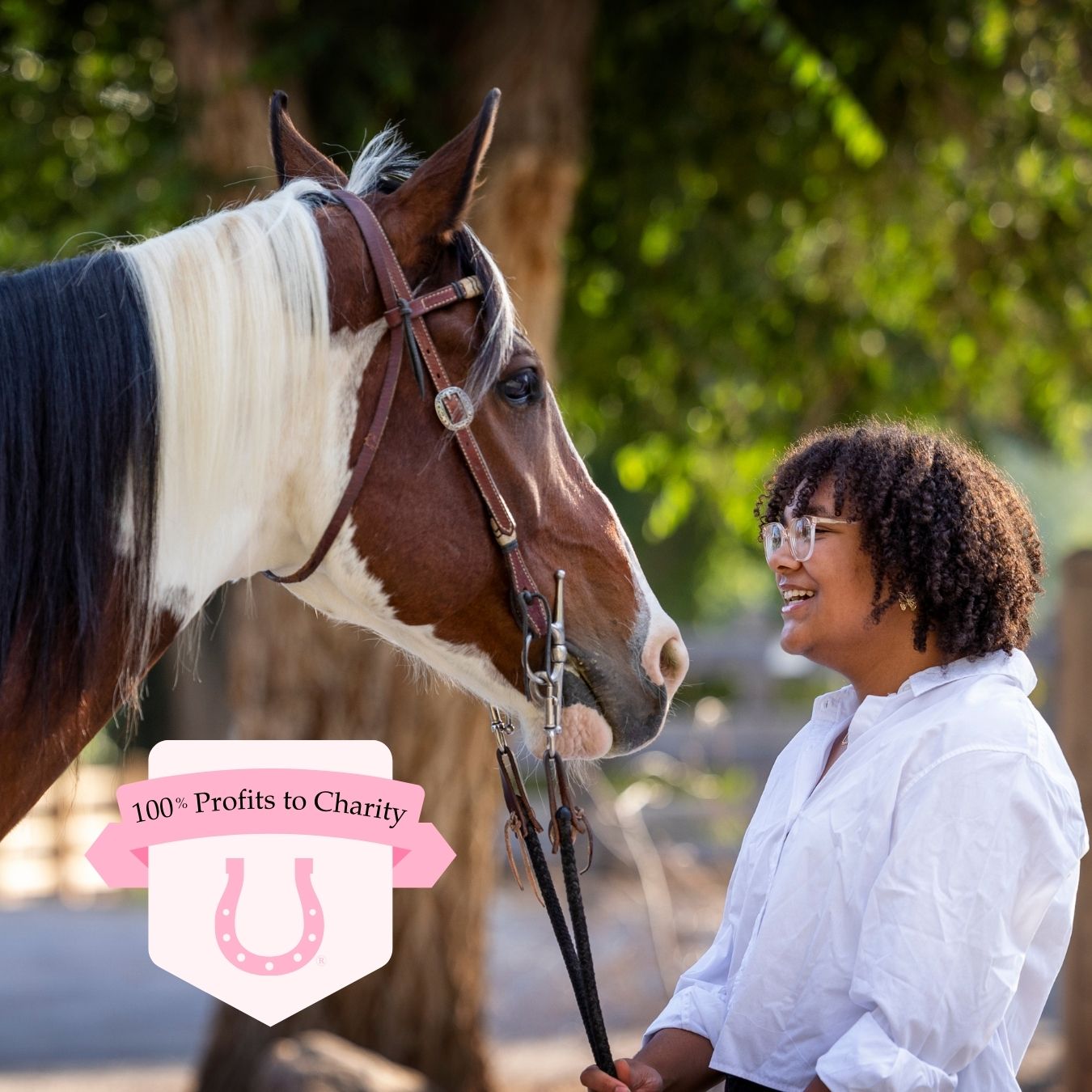
The charitable model behind a purchase should remain clear and honest. Bridle Up Hope Shop directs 100% of annual net profits to the Bridle Up Hope foundation, which supports girls and women through horses and habits. You can read more about the role of charitable purchases in horse gifts that give back.
Make the impact part of the moment
Children understand charitable giving best when adults explain it in plain terms. Add a short card that says the gift supports an organization helping girls and women through horses. Keep the language concrete and age-appropriate. You don't need to turn the birthday into a presentation. One clear sentence is enough.
Presentation can make a modest gift feel personal:
- Add a handwritten note: Mention why you chose the horse, book, or accessory.
- Use a reusable wrap: A horse-print scarf, fabric bag, or decorated box can become part of future play.
- Create a small gift bundle: Pair a book with a plush horse, or combine a journal with stickers and colored pencils.
- Personalize safely: Add a name card or removable tag rather than gluing decorations onto the product.
- Include a family activity: Plan a horse story night, drawing session, or visit to watch a local lesson.
For families who enjoy making part of the present, DIY children's gifts to make offers ideas for adding handmade details without relying on disposable novelty items. A homemade card, paper stable, or decorated gift box can extend the experience while leaving the main product safe and usable.
Give the child a story, not just an object
Charitable gifting works best when the child can connect the present to an action. Let them choose where a card goes, decorate a box, or write a thank-you note. Older children may enjoy learning how an organization uses horses to support personal development. Younger children may understand that their gift helped other people.
That approach also helps adults avoid overbuying. One durable item with a meaningful presentation often creates a stronger memory than a pile of inexpensive trinkets. Look for something the child will use, then give it enough context to feel intentional.
Final Tips for Successful Horse Gift Giving
The safest shopping decisions usually become clear after a short pause. Before adding a product to your cart, ask four questions: Is it safe for this age? Will this child use it repeatedly? Does it match their current interest? Does the purchase reflect the kind of impact I want to support?
For younger children, choose large, sturdy, simple designs. For school-age children, follow the activity rather than the label. Creative children may want books and art supplies, while active children may prefer movement-based pretend play. Older riders can appreciate practical accessories, but technical equipment should match their fit and discipline.
Use this final checklist:
- Age: Does the item suit the child's developmental stage?
- Construction: Are seams secure and features firmly attached?
- Use: Can the child play with it without constant adult help?
- Longevity: Will it remain useful after the first week?
- Style: Does it fit their English, Western, fantasy, or general horse-loving taste?
- Meaning: Can you explain why this gift matters?
A broad equestrian catalog can help you build a complete present around one central item. Start with toys and plush for younger recipients, books and creative goods for growing readers, then consider apparel, accessories, artwork, or home items for older children and families. Don't add a second product just to make the package look fuller. Add it because it gives the child another meaningful way to enjoy the first.
The right gift celebrates a horse obsession without rushing a child into riding, expensive equipment, or complicated care. It keeps safety visible, respects development, and gives the recipient something they can return to long after the wrapping paper is gone.
Bridle Up Hope Shop offers horse-themed toys, plush, books, kids' apparel, accessories, and gifts for the home, with annual net profits supporting the Bridle Up Hope foundation. Visit Bridle Up Hope Shop to choose a safe, lasting present that matches the child's age and interests while giving your gift a wider purpose.
Leave a comment