


You're standing in a tack shop, or scrolling late at night with six tabs open, trying to answer what feels like a simple question: which equestrian apparel brands are worth your attention?
Then the confusion starts. One pair of breeches looks nearly identical to another, but the price is wildly different. One brand leans classic and fitted, another looks athletic and modern, and a third is talking about lifestyle, performance, and sustainability all at once. If you're new to riding, buying a gift, or just trying to refresh your own wardrobe, it's easy to feel like everyone else got a handbook you somehow missed.
Most riders learn this over time. Riding clothes aren't just about appearance. They sit at the meeting point of safety, comfort, discipline, tradition, and identity. What you wear affects how you move, how secure you feel, and sometimes even how connected you feel to the larger horse world.
That world is bigger than many people realize. The global equestrian apparel market was valued at USD 6.6 billion in 2024 and is projected to reach USD 11.2 billion by 2034, with a relatively concentrated group of brands holding about 40% of the market, according to Global Market Insights research on equestrian apparel. That helps explain why certain names come up again and again in barns, at shows, and in online reviews.
Table of Contents
- Your Guide to the World of Equestrian Apparel
- English vs Western A Rider's Wardrobe
- Decoding the Key Apparel Categories
- A Buyer's Guide to Fit Fabric and Function
- Brands with a Mission Beyond the Arena
- Gifting and Shopping for the Horse Lover in Your Life
- Celebrating Your Equestrian Style
Your Guide to the World of Equestrian Apparel
A rider's wardrobe usually starts with one practical purchase. Maybe it's a first helmet for lessons. Maybe it's a pair of tights that don't twist at the knee. Then, little by little, you start noticing the details that experienced riders talk about without thinking. Grip. Seam placement. Sock height. Jacket cut. Fabric that stays comfortable after a long day at the barn.
That's why equestrian apparel brands matter. They aren't only selling a look. They're making decisions about movement, protection, durability, and tradition. A brand known for polished show coats is speaking to one kind of rider. A brand focused on rugged denim, sun shirts, and barn layers is speaking to another.
Practical rule: If a piece of riding clothing makes you constantly adjust, tug, or think about it in the saddle, it's probably not the right piece for you.
Good riding clothes should disappear once you're mounted. You should notice your horse, your position, and your ride, not a waistband digging in or a shirt bunching under your vest.
There's also a community piece to all of this. Riders often choose brands the same way they choose barns, trainers, or local tack shops. They look for consistency. They listen to other riders. They stick with companies that seem to understand what a day around horses is really like. That loyalty makes sense in a category where trust matters.
If you've ever wondered why people speak so strongly about certain equestrian apparel brands, this is why. The clothes carry more than style. They carry habit, discipline, comfort, and belonging.
English vs Western A Rider's Wardrobe
The biggest divide in riding apparel usually starts with discipline. English and Western wardrobes can look worlds apart, but each developed for a reason. One emphasizes close contact, clean lines, and formal tradition. The other grew from long working days, weather exposure, and practical durability.

English style and why it looks the way it does
English riding clothes are built around a close, sleek fit. Breeches or riding tights reduce bulk through the leg, which helps with contact and prevents rubbing against the saddle. Tall boots or paddock boots with half chaps protect the lower leg and create a neat line.
Within English riding, the look changes by discipline:
- Dressage: Riders often prefer a polished silhouette, full-seat breeches, fitted tops, and a more formal presentation.
- Jumping: You'll often see flexible layers, knee-patch breeches, and gear that supports easy movement over fences.
- Hunter ring: Tradition tends to lead. Conservative colors and classic tailoring are part of the culture.
- Eventing and schooling: Function comes first. Riders mix technical tops, protective layers, and practical outerwear.
English apparel can seem dressy from the outside, but it is primarily functional. The cleaner fit helps the rider stay organized in motion.
Western style and the logic behind it
Western riding clothes reflect different demands. Riders often wear jeans, Western boots, and long-sleeve shirts that hold up to dirt, brush, saddle time, and changing weather. The style can be expressive, but it's rooted in work.
Sub-disciplines shape the details:
- Reining: Riders may choose sleek shirts and polished pieces that still allow freedom through the shoulder and seat.
- Ranch riding: Durability and all-day comfort matter most.
- Trail riding: Breathable layers, sun coverage, and easy-care fabrics become more important than show polish.
- Western show: Decorative details become part of the presentation, especially in shirts, hats, and outer layers.
A Western wardrobe often looks less fitted than an English one, but that doesn't mean it's casual in the sloppy sense. Good Western gear still has purpose. Boot heel shape, denim cut, and shirt structure all affect comfort and safety.
At a glance differences that matter
Here's a quick comparison you can use when sorting through brands or gift ideas.
| Apparel Item | English Style | Western Style |
|---|---|---|
| Helmet or hat | Safety helmet is standard for most riding and schooling | Cowboy hat is traditional in some settings, though many riders also use helmets |
| Legwear | Breeches or riding tights with a close fit | Jeans designed for durability and saddle comfort |
| Footwear | Tall boots or paddock boots with half chaps | Western boots with a riding heel |
| Outer layer | Show coat, schooling jacket, or fitted vest | Long-sleeve shirt, vest, jacket, or show shirt |
| Leg protection | Close-contact fit through the calf | Chaps may be added for protection and style |
The easiest way to tell whether a brand is aimed at English or Western riders is to look at the legwear first. Breeches signal one world. Riding jeans usually signal the other.
Some brands stay clearly in one lane. Others borrow from both and create crossover pieces for casual riders. That can be helpful if you trail ride one day, take lessons another, and want clothing that doesn't feel boxed into a single identity.
Decoding the Key Apparel Categories
Once you know your discipline, the next challenge is learning the building blocks of a riding wardrobe. Many shoppers struggle at this stage. A brand may look polished online, but if you don't know what each piece is supposed to do, it's hard to judge whether it fits your needs.

Breeches tights and jeans
Breeches are designed for riding in a way ordinary athletic leggings aren't. They usually place seams carefully, reduce inner-leg bulk, and add grip where riders need stability.
A few common differences matter:
- Knee-patch breeches: Often chosen by riders who want grip at the knee without a full-seat feel.
- Full-seat breeches: Often favored by riders who want more stability in the saddle.
- Riding tights: Softer and stretchier, often popular for everyday schooling.
- Western riding jeans: Cut to work with Western boots and longer hours in the saddle.
If you're browsing women's options, the women's riding attire collection shows the kind of category split that helps shoppers narrow down what they need.
Boots helmets and gloves
Boots do more than complete the outfit. They support the lower leg, help create a secure position, and work with the stirrup in a safer way than casual shoes.
Helmets belong in a category of their own because they're protective equipment, not just apparel. Fit matters more than brand prestige here. A beautiful helmet that shifts on your head is the wrong helmet.
Gloves are often underestimated. Riders who struggle with reins slipping, cold fingers, or rubbing usually understand their value quickly. A good pair helps grip without making your hands stiff.
Tops layers and show pieces
Riding tops range from simple schooling shirts to expertly fitted show coats. The difference usually comes down to purpose.
For everyday riding, many people want tops that:
- Move easily: Shoulders and sleeves shouldn't fight your arm position.
- Layer well: Bulk under a vest or jacket gets annoying fast.
- Handle barn life: Dust, sweat, and frequent washing are part of the deal.
Show clothes follow a different logic. They're still functional, but presentation matters more. That's where you'll see structured jackets, stock ties, show shirts, and cleaner lines.
A useful test is to ask, “Would I want to muck stalls in this, school in this, or show in this?” The answer usually tells you what category the piece belongs in.
Many equestrian apparel brands specialize in one category and only dabble in the others. Some are known for boots. Some for breeches. Some for polished competition wear. Knowing that helps you shop with fewer wrong turns.
A Buyer's Guide to Fit Fabric and Function
The smartest apparel purchase usually comes down to three questions. Does it fit your body correctly. Is the fabric right for the kind of riding you do. Will it keep performing after repeated wear, washing, and barn use.

Fit comes first
A surprising number of riders buy according to the size they wish they wore, not the size that lets them ride well. That almost always backfires.
A good fit should feel secure without pinching. Waistbands should stay put when you mount. Fabric behind the knee shouldn't bunch. Tops should let you reach forward without pulling across the back or shoulders.
Watch for these signs:
- Too small: Pull lines, sliding waistbands, restricted knees, tight calves, or fabric that turns sheer when stretched.
- Too large: Twisting seams, extra fabric at the seat, bagging behind the knee, or gloves that bunch in the palm.
- Just right: You can post, sit, walk, and swing a leg over without thinking about the garment.
For riders who like a close, athletic feel, BUH riding leggings are one example of the riding-tight style that many people choose for schooling and casual barn wear.
Fabric tells you how the garment will behave
Two tops can look nearly identical on a hanger and behave completely differently in the saddle. Fabric decides whether a garment feels cool or sticky, structured or floppy, forgiving or rigid.
Natural fibers can feel soft and familiar. Technical fabrics often offer stretch, quicker drying, and shape retention. Neither is automatically better. The better choice depends on whether you want tradition, convenience, performance, or a mix.
Here's a simple way to think about it:
| Fabric quality to check | Why it matters while riding |
|---|---|
| Stretch and recovery | Helps the garment move with you and return to shape |
| Weight | Affects drape, heat, and whether the piece feels flimsy or sturdy |
| Surface feel | Changes grip, comfort, and how easily layers slide over each other |
| Wash behavior | Determines whether the piece shrinks, fades, or warps over time |
The product details matter more than the marketing words. “Performance” doesn't mean much if the waistband rolls and the knees bag out after two rides.
How good brands prove quality
The best clue about quality often comes before the garment ever reaches a shelf. Technical equestrian development typically requires detailed measurements, seam specifications, fabric specifications including weight and stretch properties, and quality standards before production begins. It also calls for rider wear testing, wash testing, and durability testing so garments keep their fit and function under motion and repeated use, as described in Zest Equestrian's guide to equestrian clothing development.
That matters because riding is repetitive and abrasive. Saddles rub. Reins move through gloves. Knees flex again and again. If seams are weak or fabric doesn't recover, you'll feel it quickly.
A short video can help you think more critically about how gear is chosen and evaluated in practice.
Good riding apparel should survive real riding, not just look tidy in product photos.
Spending wisely without buying twice
The cheapest option isn't always the most economical, and the most expensive option isn't always the smartest. A better approach is to match spending to use.
If you ride often, spend more carefully on the pieces that take the most abuse. Breeches, tights, boots, and outerwear usually earn their keep. If you ride occasionally, you may be better off buying fewer pieces that fit well instead of building a large drawer of almost-right ones.
Try this buying order:
- Start with safety: Helmet first, then appropriate footwear.
- Build your daily uniform: Add one or two reliable bottoms and tops.
- Add discipline-specific pieces: Show clothes, Western show shirts, or specialty outerwear can come later.
That approach keeps your wardrobe functional and reduces regret purchases.
Brands with a Mission Beyond the Arena
A lot of riders start by asking, “What should I buy?” Then, after a few seasons, the question changes to, “Who am I supporting when I buy it?”
That shift matters. Equestrian apparel brands don't exist outside the values of the horse community. They make decisions about materials, labor, sizing, accessibility, and what kind of rider they imagine as their customer. Those choices shape who feels welcome and who gets overlooked.
Why values belong in the fitting room
Mission-driven shopping isn't about chasing perfect brands. It's about paying attention. If a company talks endlessly about style but says nothing meaningful about how its products are made, some riders notice. If a brand presents itself as modern but only seems to design for a narrow body type, riders notice that too.
One of the clearest pressure points is sustainability. While 73% of luxury consumers prioritize sustainability, only about 12% of equestrian brands publish verified environmental impact data, which creates a trust gap for shoppers trying to tell the difference between meaningful progress and green marketing language. That concern appears in the verified background provided for this article.
You don't need a perfect spreadsheet of environmental metrics to shop more thoughtfully. But it helps to ask better questions. Does the brand explain materials in a concrete way. Does it talk about durability and longevity. Does it publish anything specific, or only broad feel-good language.
The gap riders still feel
Another issue sits closer to the rider's body. Many equestrian brands still design around a narrow image of the “standard” rider. That can leave people searching for inclusive sizing, adaptive features, easy closures, or softer materials that reduce sensory discomfort.
Values take on practical form. A mission-driven brand isn't only one that supports a cause. It's one that recognizes real riders live in many bodies, budgets, and life situations.
Look for signs like:
- Clear sizing language: Not vague promises, but useful fit guidance.
- Accessible design choices: Closures, fabrics, and cuts that make dressing easier.
- Meaningful mission statements: A cause tied to real action, not just seasonal messaging.
- Durability over disposability: Clothing designed to stay in use longer.
If a brand says it serves riders, it should show that in who it designs for, how it communicates, and what it stands behind.
That mindset changes shopping from a quick transaction into a small act of alignment. You still want breeches that fit and boots that last. But you may also want your money to reflect the kind of horse world you hope grows stronger.
Gifting and Shopping for the Horse Lover in Your Life
Buying for a horse person can feel risky if you don't ride yourself. Sizes vary. Discipline matters. Personal preferences run deep. One rider loves conservative navy and tan. Another wants turquoise stitching and a bold Western print. The good news is that you can still give something thoughtful without guessing blindly.
What to buy when you do not know their size
When you're unsure, don't start with fitted breeches or tall boots. Start where there's more room for error and more room for delight.
Good gift categories include:
- Barn-friendly layers: Sweatshirts, casual tops, and easy outerwear usually offer more flexibility.
- Accessories: Gloves, hats, jewelry, mugs, keychains, and horse-themed home goods feel personal without needing exact measurements.
- Discipline-aware gifts: English riders often appreciate polished, classic pieces. Western riders may lean toward bolder motifs and practical barn wear.
- Mission-connected gifts: Some shoppers care as much about what a purchase supports as the item itself.
For people who want ideas before they buy, this list of unique gifts for horse lovers can help narrow the field.

Where to shop with more intention
Different shopping channels serve different needs. A local tack store is helpful when fit is uncertain or you need hands-on guidance. Large online retailers offer breadth. Specialty shops often do a better job curating around a lifestyle, discipline, or mission.
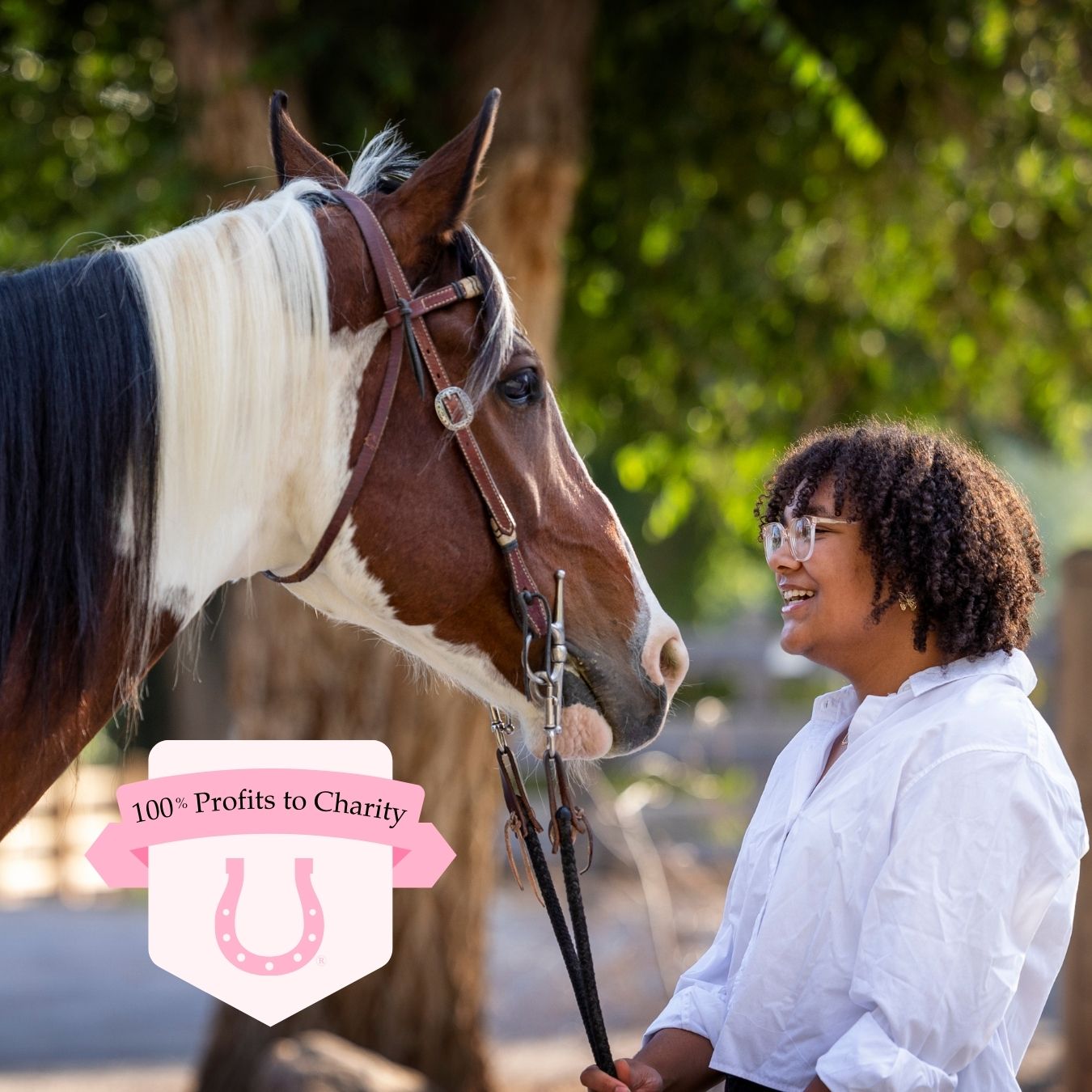
That last category matters if you want the purchase itself to mean something. Bridle Up Hope Shop is one example of a mission-driven equestrian store. It offers apparel, gifts, and horse-themed goods, and the publisher states that 100% of the shop's profits are donated to the Bridle Up Hope foundation, which supports girls and women through horses and habits.
That kind of setup changes the feeling of the purchase. You're still choosing a hoodie, bracelet, mug, or riding piece. But you're also choosing the kind of business model you want to support.
A thoughtful gift doesn't have to be technical to be meaningful. It just needs to show that you understand horses aren't a casual interest. For most riders, they're part of daily life, identity, and hope.
Celebrating Your Equestrian Style
Most riders don't build their wardrobe all at once. It comes together over seasons. A pair of breeches that finally fits right. A show shirt that becomes your lucky one. A barn sweatshirt you wear until the cuffs soften and fray.
That's part of the charm.
The right equestrian apparel brands help you ride more comfortably and shop more clearly, but they also do something less obvious. They help you express what kind of rider you are. Traditional or modern. English or Western. Performance-focused, gift-minded, cause-driven, or a mix of all three.
When your clothing fits your body, your discipline, and your values, getting dressed for the barn feels simpler. More like yourself. And that leaves more room for the best part, which is the ride.
If you want your shopping to reflect both your love of horses and a larger purpose, browse the Bridle Up Hope Shop for equestrian-inspired apparel, gifts, and everyday pieces that support the Bridle Up Hope foundation.
Leave a comment