


A pair of silver horseshoe earrings can hold a surprisingly personal story. I've seen a small horseshoe gift bring back memories of a first pony, a favorite riding school, or the quiet confidence someone found in the saddle.
Table of Contents
- The Ancient Symbolism Behind the Horseshoe Motif
- Understanding Sterling Silver Purity and Market Value
- Navigating Metal Allergies and Sensitive Skin
- Protecting Your Earrings from Tarnish and Barn Dust
- Styling Silver Horseshoe Earrings for Every Occasion
- Frequently Asked Questions About Equestrian Jewelry
The Ancient Symbolism Behind the Horseshoe Motif
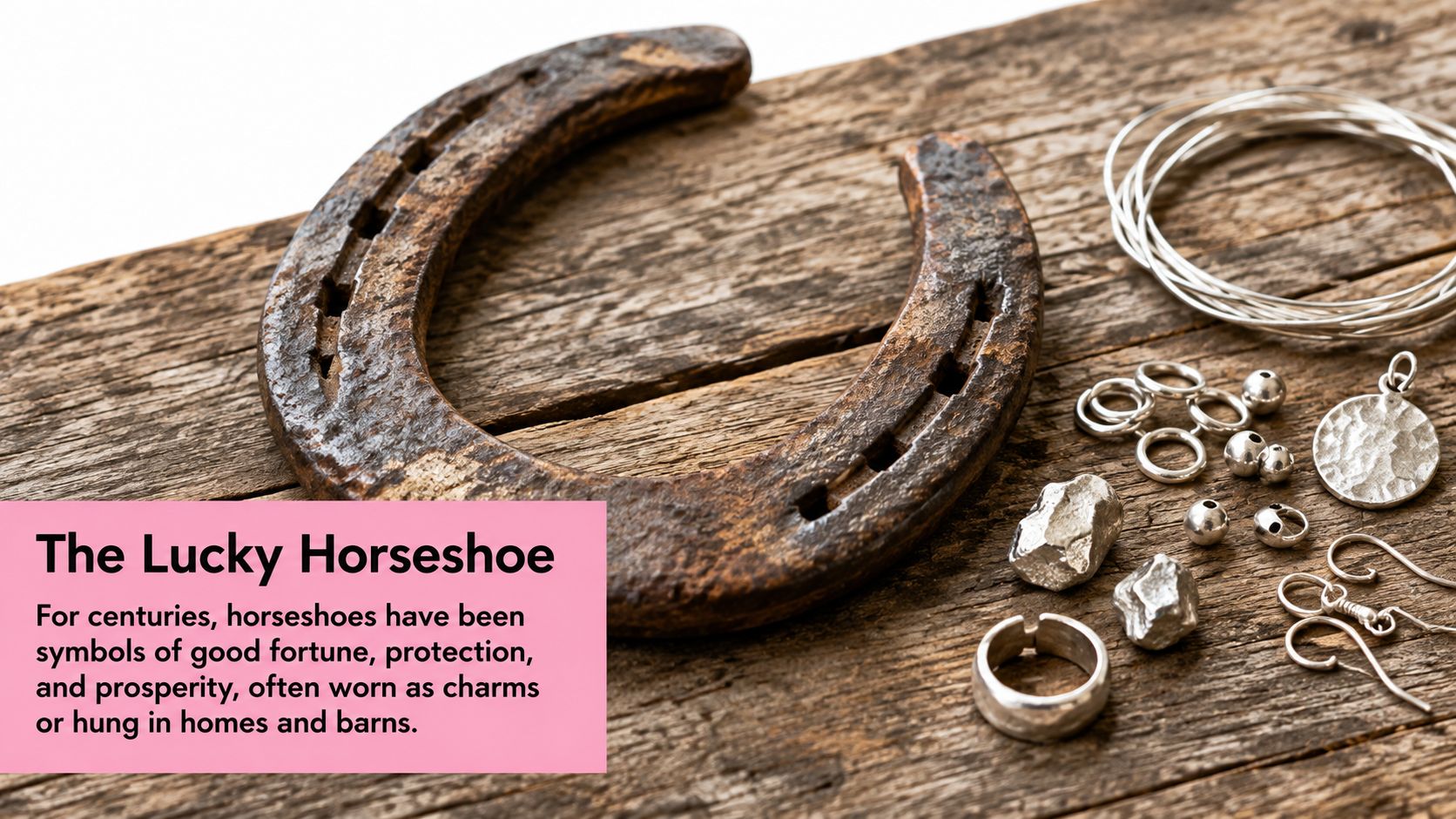
The horseshoe began as practical stable equipment, not jewelry. Its iron shape protected a working horse's hoof, yet people gradually gave the material and silhouette meanings that reached far beyond the barn. The Derby Museum explains that the horseshoe's reputation developed through several layers of European and Near Eastern folklore, rather than through one universally documented event. In eighth-century Chaldean beliefs, its crescent shape was associated with moon goddesses and protection from the evil eye. (Derby Museum)
Another tradition links the symbol with 969 AD, when St. Dunstan, later regarded as the patron saint of blacksmiths, was said to have shod the Devil's hoof. According to the story, St. Dunstan secured a promise that the Devil would stay away from any doorway displaying a horseshoe. The tale helped turn an everyday iron object into a protective household charm.
From stable tool to personal keepsake
Traditional horseshoes were commonly formed with seven nail holes, a detail that contributed to their association with good fortune in some traditions. Iron itself also carried protective associations in folklore, so the shoe combined a useful purpose with an imagined ability to guard people and homes.
That symbolism explains why a horseshoe feels so natural in equestrian jewelry. A necklace may express connection to riding, while earrings make the meaning portable and close to the wearer. The Derby Museum specifically notes that modern wearers use horseshoe earrings and bracelets as personal luck charms.
For gift-givers, the motif offers several overlapping messages:
- Good fortune, for a new chapter, competition, birthday, or graduation.
- Protection, especially for someone beginning a new journey.
- Resilience, because the horseshoe is tied to the strength and care required by working horses.
- Equestrian identity, without needing a large or overtly themed accessory.
If you're choosing between related pieces, the meaning behind a horseshoe necklace provides useful context for how the same symbol can carry emotional significance in different forms. Silver horseshoe earrings distill that history into a small, wearable reminder of luck, strength, and the enduring horse-human bond.
Understanding Sterling Silver Purity and Market Value
The first question to ask about silver earrings is simple: What does “silver” mean in the product description? Solid sterling silver is not pure silver. It's a standardized alloy containing 92.5% silver and 7.5% copper, commonly identified by a 925 hallmark. Copper gives the metal the strength needed for wearable jewelry, since very pure silver is comparatively soft.
Silver-plated earrings are different. They use a base metal covered with a thin silver layer, and the visible finish may eventually wear through at areas that receive repeated friction. A plated horseshoe can still be attractive, but the product page should identify it clearly. “Silver-tone” describes color, not metal composition, and it shouldn't be treated as proof of sterling silver or allergy safety.
| What the description says | What it tells you |
|---|---|
| 925 or sterling silver | The main alloy meets the sterling silver standard |
| Silver-plated | A silver layer covers another base metal |
| Silver-tone | The piece looks silver, but the alloy remains unspecified |
| Nickel-free | A material claim that should apply to the whole earring, including posts and backs |
For a useful comparison outside the horseshoe shape, sterling silver teardrop earrings at Cedar Lily show how a different silhouette can still be evaluated through its material description and construction details. The same buying discipline applies to equestrian designs: check the pendant, jump ring, ear wire, and backing rather than judging quality by the front surface alone.
Silver remains an accessible precious-metal choice within a substantial international category. One market estimate places the global silver-jewelry market at approximately USD 38.2 billion in 2024, with a projection of about USD 39.96 billion in 2025 and more than USD 57.2 billion by 2033. (Silver jewelry market estimate) Those figures describe silver jewelry overall, not horseshoe earrings specifically, but they help explain why silver suits shoppers who want a precious-metal look with a contemporary, approachable feel.
For more equestrian context, this guide to a sterling silver horse necklace can help you compare how purity and design work together in horse-themed gifts.
Navigating Metal Allergies and Sensitive Skin
A silver-colored earring isn't automatically safe for sensitive ears. “Hypoallergenic” is too vague on its own, because the visible horseshoe may differ from the post, butterfly back, or connecting hardware that sits against the skin.
Nickel deserves particular attention. It can appear in components beneath silver plating or in alloys marketed with silver-related names. Clinical patch testing found positive reactions among nickel-sensitive subjects exposed to nickel-containing interliners beneath silver plating and to certain nickel-silver alloys. (Western Australian Museum guidance)
What to verify before buying
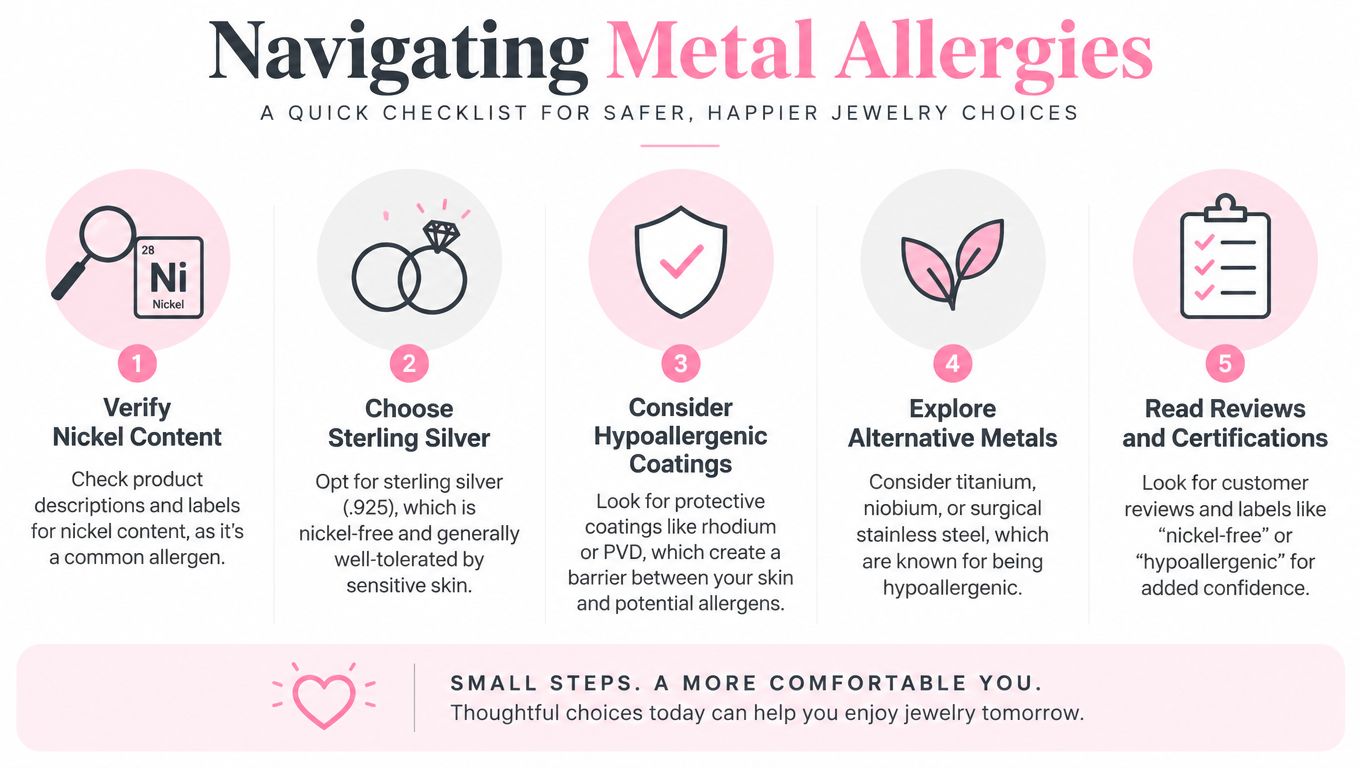
Ask the seller whether the material claim covers the entire earring, not just the decorative horseshoe. A responsible product description should identify the ear post and back separately when they use a different material.
For sensitive wearers, look for:
- A complete material statement, covering the horseshoe, post, jump ring, and backing.
- A 925 hallmark, if the product is advertised as sterling silver.
- Nickel-free confirmation, preferably stated for every skin-contact component.
- Alternative posts, such as documented titanium or surgical-grade stainless steel.
- Lightweight construction, especially for children or newly pierced ears.
The word “silver” alone isn't an allergy guarantee. Sterling silver works well for many people, but individual alloy composition and manufacturing quality still matter. A seller who can't explain the posts and backs leaves an important part of the purchase unclear.
Watch for persistent redness, itching, swelling, blistering, dry skin, or thickening around the piercing. Stop wearing the earrings if these symptoms develop and seek dermatological advice, particularly if the reaction keeps returning. Repeated cleaning won't solve a material sensitivity, and continuing to wear the earrings may prolong the irritation.
Protecting Your Earrings from Tarnish and Barn Dust
Silver tarnishes through a surface reaction with sulfur-containing gases, which can create dark silver sulfide and copper sulfide. Barn life adds practical complications. Sweat, humidity, dust, sunscreen, and residue from grooming or household products can settle into the small textured spaces around a horseshoe, where moisture remains longer than it does on a smooth surface.
A polished finish and an oxidized finish also age differently. Polished silver shows darkening quickly because the contrast is easy to see, while an intentionally darkened surface may make light tarnish less obvious. Neither finish eliminates the need for care.
A gentle care routine
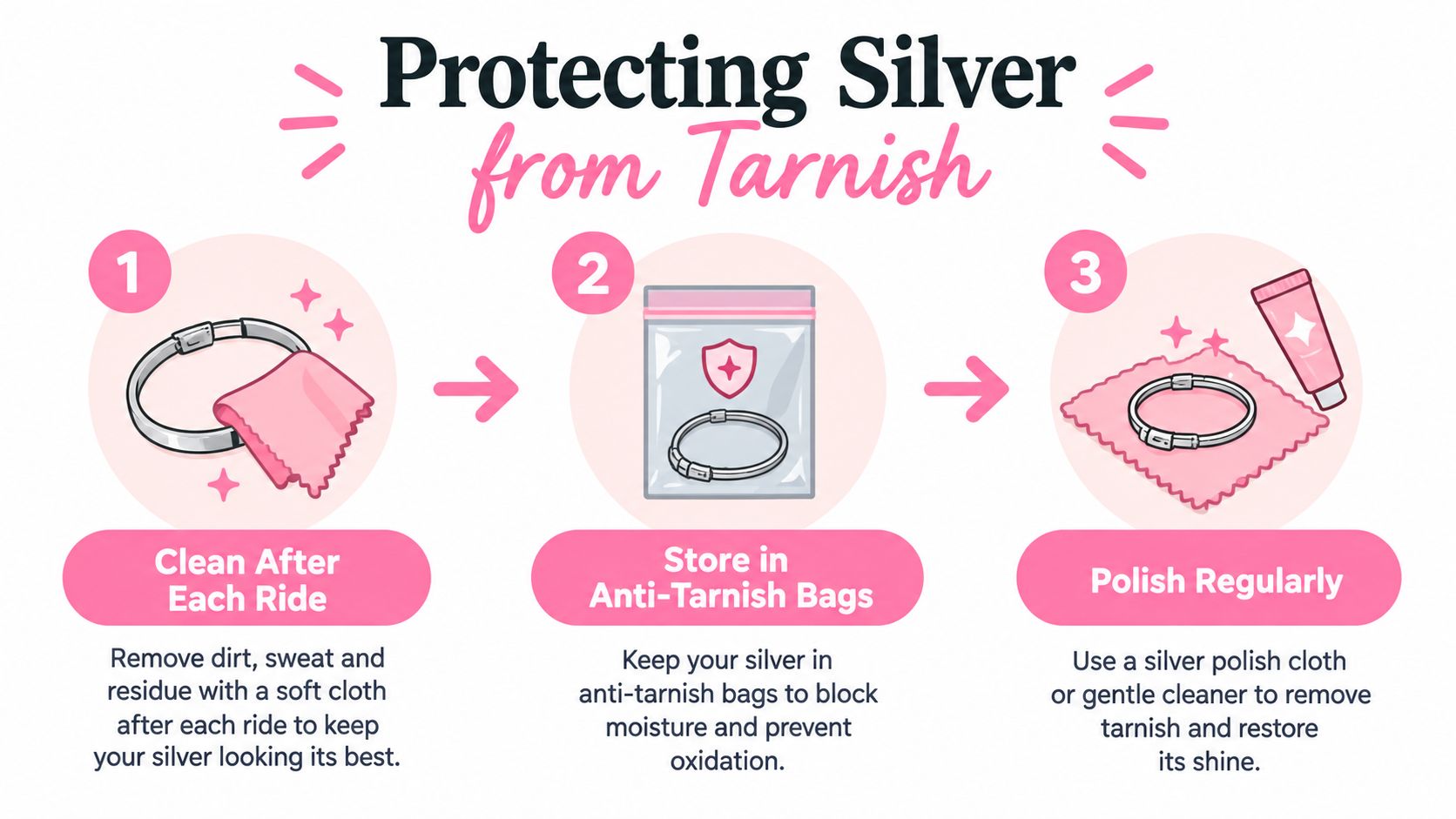
- Remove surface residue. After wearing the earrings around dust, sweat, or sunscreen, wipe them with a soft, clean cloth. Don't push debris into engraved grooves.
- Wash only when needed. Use mild detergent and water, then rinse thoroughly. A soft brush can help reach horseshoe crevices, but use a light touch.
- Dry completely. Pat the earrings dry and allow the crevices around the jump ring and post to lose all moisture before storage.
- Polish lightly. Use a nonabrasive silver cloth for surface tarnish. Frequent polishing gradually removes small amounts of silver, so repeated aggressive rubbing isn't a preservation strategy.
- Avoid chemical shortcuts. Abrasive cleaners and frequent dipping can scratch the surface or remove silver and plating. Residual polish can trap moisture against the metal and encourage tarnish to return.
For a separate practical reference, this guide to how to clean tarnished silver can supplement the basic routine above, especially when you're dealing with an older piece.
Store silver away from the bathroom
Conservation guidance recommends storage below 50% relative humidity, preferably in an airtight or anti-tarnish pouch, to reduce exposure to moisture and sulfur compounds. (Canadian Conservation Institute)
Keep silver horseshoe earrings away from bathrooms, rubber, wool, paper products, cosmetics, and other materials that may contribute sulfur or reactive residues. A small anti-tarnish pouch inside a jewelry drawer works well, while a loose dish near the sink exposes the metal to unnecessary humidity.
Styling Silver Horseshoe Earrings for Every Occasion
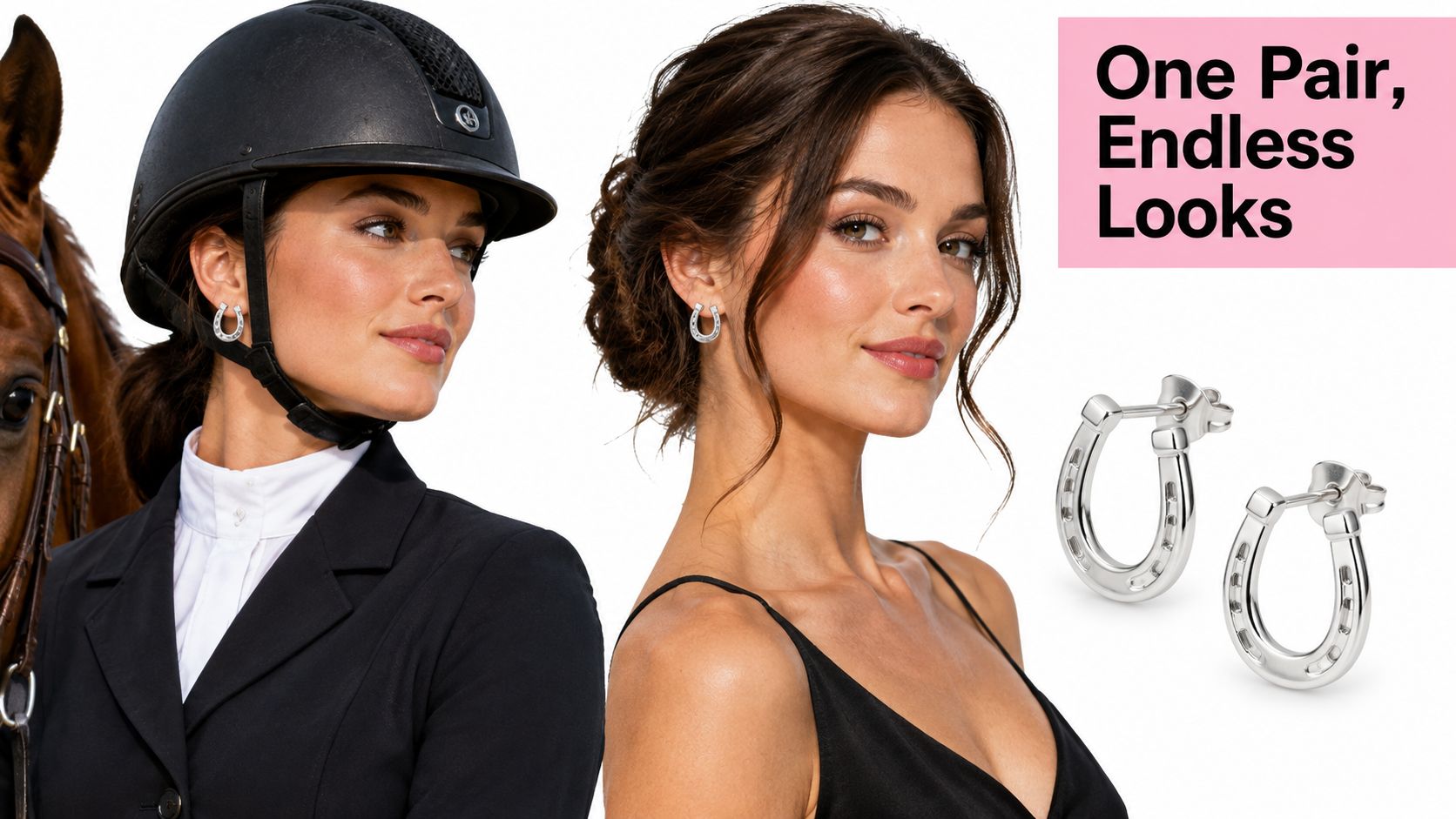
The most useful pair of silver horseshoe earrings is one you'll reach for. Small studs can sit neatly with a riding jacket, show shirt, or simple barn-day layers, while a drop or hoop design creates more movement for dinner, a celebration, or an evening event.
Match the scale to the setting
For English-inspired outfits, delicate silver works naturally with well-fitted layers, muted colors, and clean lines. At a competition or formal riding event, small horseshoe studs can signal your equestrian connection without competing with a helmet, stock tie, or structured collar.
Western styling gives you room to be more expressive. A larger horseshoe hoop can work with denim, boots, a felt hat, or turquoise accents. If the earrings include an oxidized finish, the darker detail can echo leather and aged metal without requiring a perfectly matched jewelry set.
When choosing a second pair for a different occasion, browsing an earring collection at Shapiro Diamonds can help you compare proportions and silhouettes beyond the horseshoe motif. Focus on weight, closure security, and how close the design sits to your face, not only on decoration.
The horseshoe also pairs well with other equestrian symbols. A simple horseshoe earring can stand alone, or you can coordinate it with a bit, stirrup, or horse-head pendant. This guide to a silver horseshoe necklace offers another way to think about combining the motif without making every piece identical.
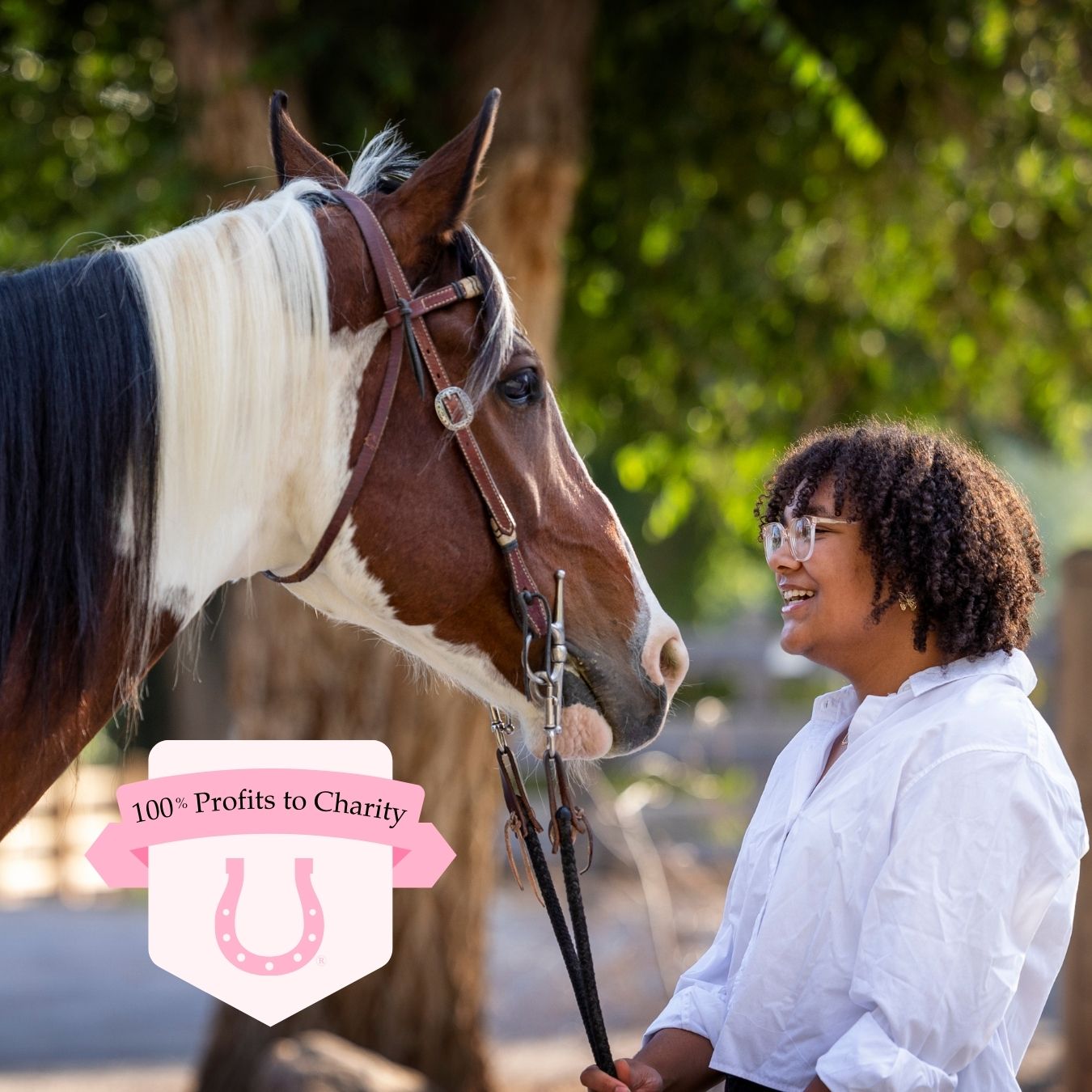
A gift can carry a second layer of meaning when it comes from a mission-driven shop. Bridle Up Hope Shop offers horse-themed jewelry alongside apparel, accessories, home goods, toys, and books, with its charitable model directing 100% of annual net profits to the Bridle Up Hope foundation. That social purpose doesn't replace the need to check metal specifications, but it can make a carefully chosen equestrian gift feel connected to a wider cause.
This short visual can also help frame the transition from everyday equestrian style to more polished jewelry dressing:
Frequently Asked Questions About Equestrian Jewelry
Can I wear silver horseshoe earrings while riding or doing barn chores?
It's safer to remove dangling or projecting earrings before riding, grooming, handling tack, or doing chores. Jewelry can catch on clothing, hair, equipment, or a horse's surroundings, and sweat and dust can increase tarnish. Small, secure studs may be more practical for casual wear, but no earring should interfere with a helmet or other protective equipment.
How can I tell whether earrings are sterling silver?
Look for a 925 hallmark and a clear material description. Then ask whether the post, backing, jump ring, and decorative horseshoe use the same alloy. A 925 mark on the visible component doesn't automatically identify every part of the earring.
What should I choose for sensitive ears?
Prioritize a documented nickel-free construction or posts made from a stated alternative such as titanium or surgical-grade stainless steel. Don't rely on “hypoallergenic” or “silver-colored” without composition details. If you've had recurring reactions, consult a dermatologist before trying another pair.
Are silver earrings suitable for a child with newly pierced ears?
Material disclosure and secure, lightweight construction matter more than the horse motif. Choose a design with a reliable closure, avoid pieces that can snag, and follow the piercing professional's aftercare guidance. Stop use if irritation appears.
Can heavily tarnished vintage earrings be rescued?
Often, but aggressive cleaning can damage plating, texture, or intentionally oxidized detail. Start with mild detergent, thorough rinsing, complete drying, and a nonabrasive cloth. For valuable or delicate vintage pieces, have a jeweler assess the finish before using stronger methods.
Bridle Up Hope Shop offers equestrian jewelry, apparel, accessories, gifts, and horse-themed goods for women, children, babies, and the home. If you want silver horseshoe earrings that carry both equestrian meaning and a charitable connection, visit Bridle Up Hope Shop and review the material details before choosing your piece.
Deje un comentario