


You're standing in a tack shop a week before a birthday, holding a mug with a galloping horse on it and wondering whether the rider already owns three. Online, the choices look endless: plush ponies, horse-shaped jewellery, riding tops, stable décor, grooming tools and novelty gifts all compete for attention. Yet the more you browse, the less certain you feel.
A thoughtful gift for a horse rider isn't anything with a horse printed on it. The right choice reflects how the recipient rides, how old they are, what they already own and what they care about beyond the stable. This guide sorts those decisions into practical categories, from discipline-specific apparel to low-risk horse-and-rider gifts and purchases that support an equestrian charity.
Table of Contents
- Why Horse Rider Gifts Are Harder Than They Look
- What the Equestrian Gift Market Looks Like
- English vs Western Riding and Why the Style Matters
- Best Gift Categories Matched to Real Riders
- Budget Tiers That Make Sense for Each Recipient
- When It Makes Sense to Buy for the Horse Too
- Charity Impact Gifts That Give Twice
- A Shortlist, Common Pitfalls, and How to Buy
Why Horse Rider Gifts Are Harder Than They Look
A birthday gift can look perfect online, then miss the recipient completely. A horse silhouette, horseshoe motif or riding boot graphic says “equestrian,” but it says nothing about the person's discipline, age, routine or taste. That gap is why a thoughtful gift for a horse rider needs more than a recognisable design.
Start by avoiding duplicate equipment. Regular riders often already own the boots, breeches, gloves, grooming brushes and outer layers they use most. They may also be particular about fit, fabric, colour and brand. Technical clothing or tack bought without guidance can become an expensive present that never leaves its packaging. Choose a rider-only accessory, experience or personal item when you lack those details.
Discipline matters just as much. Dressage, hunter-jumper, Western trail riding and rodeo each have different clothing, accessories and visual cues. A beautifully made gift can still feel misplaced if it belongs to the wrong equestrian world. Confirm whether the recipient rides English or Western before choosing apparel, jewellery or décor.
Practical rule: Buy for the rider's routine, not for the horse image on the product.
The four questions that prevent a bad purchase
Use these questions before browsing another marketplace:
- What discipline does the rider follow? English and Western styles call for different clothing and accessories.
- How old is the recipient? A young rider may enjoy a model horse or personalised tote, while an adult may prefer jewellery, books or durable barn equipment.
- Is the gift for the person, the horse or both? Rider-only gifts are safer when you do not know the horse's measurements, tack preferences or feeding restrictions. A shared gift, such as a grooming item or stable accessory, still needs less personal information than fitted equipment.
- What values matter to them? Sustainable materials, small-batch craftsmanship and charity-linked purchases can make a present feel more personal than a generic novelty.
Use those answers to narrow the choice before considering price or presentation. The best gift reflects how the recipient rides and what they value, while avoiding assumptions about equipment they may already own. That approach also leaves room for gifts that support a charity, rather than treating equestrian interests as a reason to buy another horse-shaped object.
What the Equestrian Gift Market Looks Like
The equestrian gift market makes more sense when separated into five categories. Each suits a different recipient, riding routine and level of shopper knowledge. Use the category to narrow the choice before judging colour, price or presentation.

Five categories, five buying decisions
Apparel and riding wear covers barn layers, riding socks, gloves, breeches, show shirts and jackets. It is useful for frequent riders, but sizing and technical fit create the greatest risk. A quarter-zip training top is safer than breeches, while a show coat should be chosen with the rider's input.
Jewellery and accessories provide a personal horse reference without requiring knowledge of tack. Stirrup earrings, horseshoe pendants, engraved bracelets, leather belts, keychains and scarves suit riders who want an equestrian detail away from the yard. Select restrained metalwork for a minimalist wardrobe, or a bolder design for someone drawn to Western styling.
Home and stable décor works for horse lovers who bring the theme into a kitchen, office or sitting room. Framed equestrian prints, horsehair pottery, candles, cushions, ornaments and practical barn totes add character without interfering with riding equipment.
Books and learning materials should match the recipient's involvement. An active rider may value a training manual or sports psychology title. A casual fan may prefer an illustrated horse book, a discipline history or a visually rich coffee-table volume.
Toys and collectibles fit children, young enthusiasts and collectors. Model horses, plush animals, hobby-horse accessories and children's grooming kits create participation without assuming the child owns a horse.
Discipline and values shape the choice
Generic horse silhouettes fill mass-market shelves, but discipline-specific details make a gift feel considered. Choose hunter and jumper references, dressage motifs, barrel-racing designs or Western tooling only after identifying the rider's world. A rider-only gift often works best, because it reflects identity without requiring the horse's measurements or equipment preferences.
Values provide another useful filter. Recycled fabrics, durable leather, small-batch makers and charity-tied products suit shoppers who want the purchase to carry meaning. The equestrian community includes casual fans as well as committed participants, so specialist tack is rarely the default answer. Everyday gifts, learning materials and charity-impact purchases can serve more recipients while respecting how they spend time around horses.
English vs Western Riding and Why the Style Matters
The fastest way to identify a rider's aesthetic is to look at their boots. English riders usually wear tall field or dress boots, while Western riders tend to choose cowboy boots. That clue won't answer every question, but it will prevent many glaring mistakes.
English riding covers a polished, refined look associated with hunt seat, dressage and eventing. Think fitted breeches, tall boots, show shirts, fitted coats, polished leather, browbands and understated colour. Dressage tends toward elegant restraint. Hunter and jumper riders often favour traditional neutrals with subtle technical details. Eventing can call for more visibly performance-oriented layers because the rider moves between different phases and environments.
Western riding has a more decorative and relaxed visual language. Jeans or Western-cut trousers, cowboy boots, embroidered button-down shirts, leather tooling, turquoise and chunky silver jewellery all make sense in this setting. A working cow horse rider may prefer durable leather and practical accessories, while a rodeo enthusiast may welcome a bolder belt buckle or statement piece.
| Visual Cue | English Riding | Western Riding |
|---|---|---|
| Footwear | Tall riding boots or polished paddock boots | Cowboy boots, often with a distinctive shaft |
| Clothing | Breeches, fitted layers and tailored showwear | Jeans, Western-cut trousers and decorated shirts |
| Accessories | Fine leather, subtle jewellery and restrained motifs | Silver, turquoise, leather tooling and bold buckles |
| Overall mood | Refined, traditional and arena-focused | Expressive, practical and ranch or rodeo influenced |
Gifts that cross the divide
Some items work in both worlds. A well-made leather belt, simple silver studs, a durable tote, horsehair detailing or a tasteful engraved bracelet can suit almost anyone. A neutral scarf, quality notebook or carefully chosen book also avoids discipline confusion.
Other gifts announce the wrong choice immediately. A pink English polo set won't suit a roper who lives in denim and boots. A large turquoise squash-blossom necklace may miss the mark for a dressage rider who prefers delicate jewellery and clean lines.
If you're still unsure, use the English riding style guide as a visual reference, then inspect the recipient's wardrobe. Which boots live in their closet? Start there, and your gift will usually look intentional rather than borrowed from the wrong discipline.
Best Gift Categories Matched to Real Riders
The best category depends on what the recipient does with horses. Don't give a casual admirer the same present you'd choose for a competitive rider who spends every weekend at shows.

Apparel for riders who use their gear
For an active rider, technical layers are more reliable than decorative clothing. A breathable quarter-zip, riding socks, waterproof gloves or a warm vest can earn regular use at the barn. Keep the design aligned with the discipline. A competitive English rider may want a neat training top, while a trail Western rider may prefer a practical jacket, durable belt or sun-ready hat.
Avoid buying breeches, show coats and fitted riding boots unless you know the exact size and preferred cut. A personalised quarter sheet can be meaningful, but only if you know the horse's measurements and the rider's colour preferences. For a fashion-led equestrian, a curated saddler pants collection can provide a more polished route into equestrian-inspired clothing without guessing at technical riding fit.
Jewellery for everyday connection
Jewellery is ideal when the recipient loves horses but doesn't need more equipment. Silver stirrup earrings, a small horseshoe necklace, a horse-bit bracelet or an engraved bangle can carry the connection into work and social settings. Choose a delicate piece for a minimalist. A Western rider may respond better to substantial silver, leather or turquoise accents.
Décor for the barn-centred home
A barn mom or established horse owner may already have plenty of apparel. In that case, choose framed vintage prints, horsehair pottery, an equestrian candle, a ribbon display or a tasteful cushion. The strongest décor gifts connect to the recipient's actual horse or memories, rather than repeating the same generic silhouette.
Books for learning or escape
A new rider benefits from an accessible riding manual, horse-care guide or mindset book. An active competitor may prefer discipline-specific training material, but check whether they already follow a particular trainer or method. For a casual fan, an illustrated horse story, breed book or historical title offers pleasure without requiring technical knowledge.
Watch the riding-and-learning video below for a useful visual complement to a book or lesson-related present.
Toys for younger enthusiasts
Children don't need expensive tack to feel included. Model horses, plush ponies, hobby-horse upgrades, horse stories and children's grooming kits invite imaginative play. A young rider may appreciate a personalised tote or show bow more than an adult-style accessory because it marks their own place in the equestrian world.
Budget Tiers That Make Sense for Each Recipient
A good budget should reflect your relationship with the recipient and the likelihood that they'll use the item. Spending more doesn't fix a poor discipline match or an incorrect size.
| Budget Tier | Best For | Example Gifts |
|---|---|---|
| Under $25 | Acquaintances, stocking stuffers and Secret Santa exchanges | Riding socks, a horse-themed keychain, a mug, a candle or a children's picture book |
| $25 to $75 | Friends, teens and barn companions | Equestrian jewellery, a training book, grooming kit, personalised tote or hobby horse |
| $75 to $200 | Siblings, committed riding partners and close friends | Technical apparel, leather goods, a quality belt, engraved bracelet or signed print |
| Above $200 | Parents, spouses and milestone celebrations | Premium jewellery, an engraved halter, a bespoke leather item or a charity-linked gift bundle |
Spend where the recipient can feel the difference
Under $25, usefulness matters more than prestige. Good socks, a durable keychain or an attractive candle can delight because the recipient will reach for them. A cheap piece of technical equipment, by contrast, may feel uncomfortable or fail quickly.
The middle tier is the most flexible. A teen may love a personalised barn tote or model horse, while an adult friend may prefer silver jewellery or a well-chosen book. This range also allows you to combine smaller items into a coherent set, such as a grooming accessory, notebook and card.
At higher prices, buy quality or meaning, not extra decoration. A leather belt, premium layer or engraved piece can justify the expense when the materials and personalisation are right. Expensive tack is different. Unless the recipient has approved the item, the additional cost can increase the chance of an unusable gift.
For context, anyone comparing equestrian ownership expenses should review this guide to horse riding costs. The useful lesson for gift shopping is that riders already make many considered choices about their equipment, so a non-technical present can be the smarter investment.
When It Makes Sense to Buy for the Horse Too
Buying for the horse feels wonderfully personal, but horse-focused gifts carry more risk than rider-only presents. A halter can be the wrong size. A saddle pad can conflict with the rider's saddle, discipline or colour scheme. A bridle tag may duplicate one already attached to the horse's equipment, and barn rules may limit treats, supplements or decorations.
You should buy for the horse only when you know the animal and the routine. Confirm the horse's name, tack style, measurements, preferred colours and stable rules. If you can't answer those questions, don't guess at a halter, bridle, saddle pad or feed-related product.
Lower-risk horse-and-rider options
- Shared experiences: A lesson credit, trail-ride voucher or grooming session gives the rider time with the horse without forcing a tack choice.
- Practical storage: A grooming caddy, labelled gear bag or washable barn tote supports the pair while leaving the technical equipment to the rider.
- Personalised keepsakes: A framed photo, engraved nameplate for a confirmed item or custom ribbon display celebrates the relationship without affecting fit.
- Coordinated apparel: Matching human-and-horse accessories can work when you know the recipient enjoys that look and can confirm the relevant sizes.
Treats and supplements deserve particular caution. The 2026 horse gift guidance warns that diet, allergies and veterinary protocols can make edible gifts inappropriate, while expensive tack often requires the owner's consultation because fit is so specific. The safest answer is usually a rider-focused present, perhaps paired with an experience or storage item that supports time at the barn.
Charity Impact Gifts That Give Twice
A charity-linked gift can feel more personal than a generic donation because the recipient receives something tangible and the purchase carries a clear connection to horses. That might be a card, certificate, symbolic sponsorship, small keepsake or wearable item. The gift acknowledges the rider's passion while supporting a cause related to youth development, therapeutic riding, rescue or horse care.
Choose the mission before choosing the product. A rider who mentors young people may value a youth scholarship connection. Someone devoted to retired racehorses may prefer a sanctuary sponsorship. A conservation-minded recipient may care more about wild mustang preservation than another piece of horse décor.

How to check the impact
Before purchasing, inspect the organisation's own information and ask practical questions:
- Identify the beneficiary. Confirm which nonprofit receives funds and whether its mission matches the recipient's interests.
- Understand the model. A product may donate proceeds, a portion of sales or net profits. Those phrases aren't interchangeable.
- Check transparency. Look for the organisation's tax status, programme description and explanation of where funds go.
- Make the connection visible. Include the certificate, card or impact note so the recipient understands what the purchase supports.
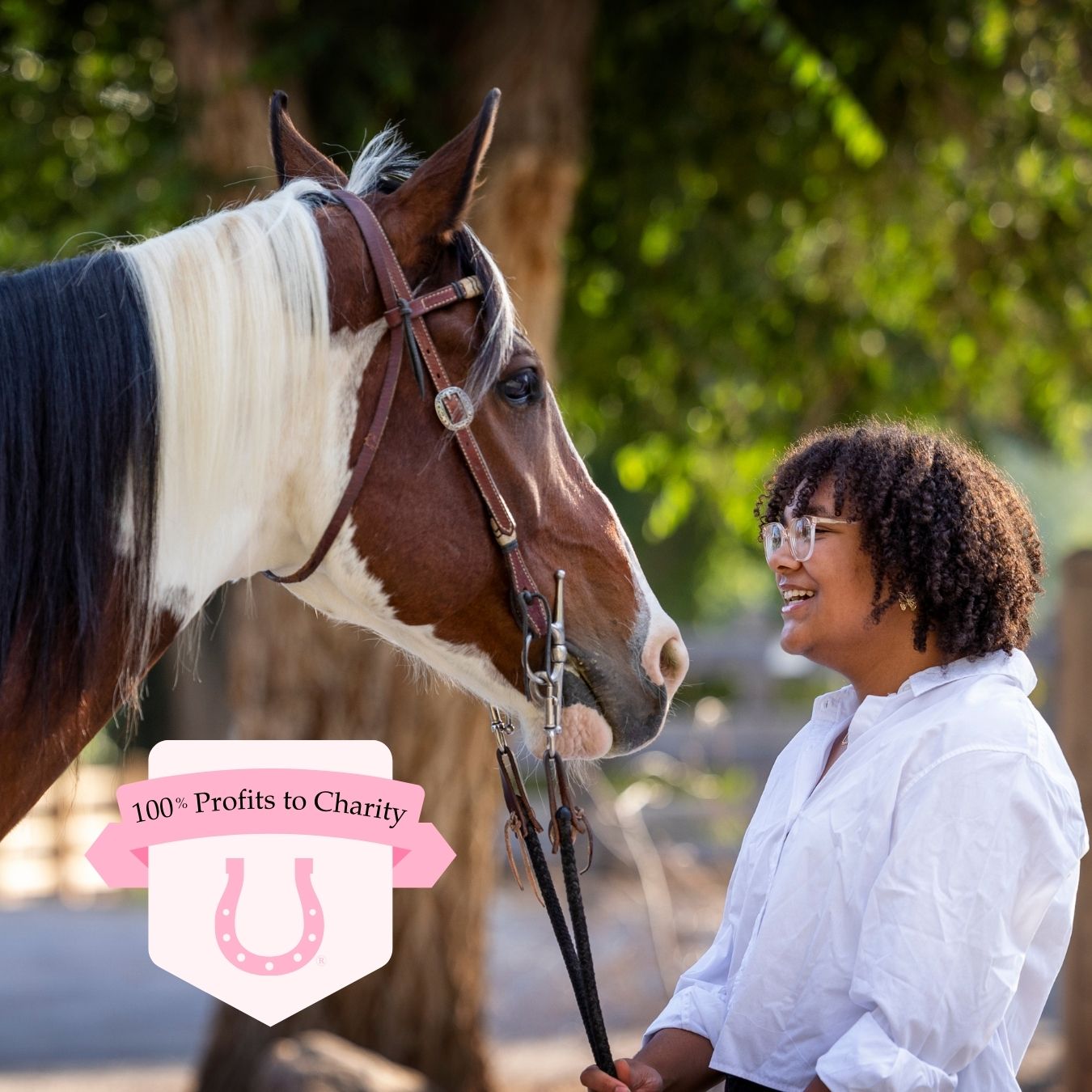
Bridle Up Hope is a useful example of an equestrian charity model. Its shop states that it donates 100% of annual net profits to the Bridle Up Hope foundation, which supports girls and women through horses and habits. That kind of structure gives a product purchase a defined charitable destination rather than leaving the buyer to make a separate donation.
For more ideas, browse charity gifts that give back and match the format to the person. A symbolic horse sponsorship suits someone emotionally attached to animal welfare. A wearable item suits someone who wants a daily reminder. A gift card connected to a riding programme works well when you want the recipient to choose the product themselves.
A Shortlist, Common Pitfalls, and How to Buy
If you need a dependable shortlist, start with practical, flexible items:
- Monogrammed bridle bag: A useful storage gift for tack and grooming gear, especially when you can confirm the recipient's preferred colour.
- Quality leather belt: A durable everyday accessory that can work across English and Western wardrobes when the buckle is chosen carefully.
- Personalised halter: A meaningful splurge only when you know the horse's size, name and the owner's preferred style.
- Engraved jewellery: A safer premium option when you want personalisation without dealing with tack fit.
- Book or model horse: A strong choice for a new rider, child or casual enthusiast.
Avoid assuming every rider uses Western tack. Don't buy a helmet based on appearance alone, and don't treat safety equipment as ordinary apparel. Equestrian helmets should meet recognised standards such as ASTM F1163, PAS015 or VG1, and the fit should stay level and snug without moving independently from the head, as explained in this helmet fitting and safety guidance. A helmet with a recognised rotational-impact layer such as Mips may be a more considered choice, but let the rider confirm the model and fit.

Check sizing, delivery timing and return terms before ordering, especially for personalised goods. Match the gift to the rider's discipline, age and values, not the horse shape on the box.
Bridle Up Hope Shop offers equestrian apparel, jewellery, accessories, books, toys and home gifts in both English and Western styles, with 100% of annual net profits donated to the Bridle Up Hope foundation. Visit Bridle Up Hope Shop to choose a horse rider gift that feels personal while supporting programmes for girls and women through horses and habits.
Deje un comentario