


You're standing in front of the mirror with a western shirt on, wondering why it suddenly feels like too much shirt. The snaps are there, the yoke is there, the pockets are there, and now you're deciding whether to tuck it, leave it out, or undo half the buttons and hope for the best. This can be more complicated than necessary. A western shirt works when you respect its structure, keep the rest of the outfit disciplined, and stop treating it like a costume piece.
Table of Contents
- What Makes a Western Shirt Different
- Getting the Fit Right Before You Style It
- Tucking, Knotting, and Wearing It Open
- Outfit Formulas for Casual, Riding, and Going Out
- Layering Through the Seasons
- Boots, Belts, and the One Accessory Rule
- Styling for Women, Girls, and Babies
What Makes a Western Shirt Different
The first mistake is looking at a western shirt and calling it “just a plaid button-down with snaps.” It isn't. The shirt reads western because of its shape, and that shape comes from features with a job to do, not just a decorative mood. The early version took form in the early 1900s, when longer tails helped keep shirts tucked in, pointed yokes added support across the shoulders and chest, and later snap closures reduced snagging on saddles and fenceposts, according to Texas Monthly's overview of the western shirt.
A true western shirt usually has a fitted yoke, snap or pearl closures, flap pockets, and a hem that's long enough to stay put when you move. Those details are why the shirt looks structured even before you style it. The yoke sits like a built-in frame, the pockets add chest detail, and the snap placket gives the front a clean vertical line.

Why the silhouette matters
That structure is also why western shirts can look sharp on their own, but sloppy fast if they're the wrong size. A standard button-down can hide a lot. A western shirt can't, because the yoke, snaps, and pockets all pull your eye to the body of the shirt.
The shirt's history also explains its visual range. Fashion histories trace its roots through cultural exchange across North America, including influence from Mexican vaqueros, and note that it moved from plain workwear into broader style language as film and celebrity culture picked it up over time, especially by the 1920s and later the 1950s. GQ's western shirt history piece also points out how materials like chambray and denim helped make the shirt lighter and more accessible in the early 20th century.
If you want a quick mental test, use this: if the shirt only looks right with fringe, a hat, and boots, it's probably being styled badly. If it still looks good with plain jeans, a clean belt, and nothing else dramatic, you've got the genuine item.
For extra visual texture without going overboard, a small accessory like flannel-inspired accessories can add warmth and keep the outfit grounded.
You can also compare the shirt's features to the basics in Bridle Up Hope Shop's western attire guide, especially if you're trying to tell a western shirt apart from a regular work shirt.
Getting the Fit Right Before You Style It
Fit is where most western-shirt outfits fall apart. People blame the boots, the jeans, or the color, but the shirt was wrong from the start. A western shirt should sit on you like it was designed for the body, not like you borrowed it from someone who rides differently than you do.
Check the shoulders and yoke first
The shoulder seams should land on the shoulder bone, not halfway down the upper arm. If they slide off the shoulder, the yoke loses its shape and the whole shirt starts looking borrowed. The yoke itself needs to lie flat across the upper back without pulling, because that's the part that gives the shirt its western frame.
Practical rule: if the yoke wrinkles hard across your back when you reach forward, the shirt is too tight or the shoulders are off.
Get the chest and length honest
You want a little room at the chest, about two fingers of ease so the snaps close cleanly without strain, as noted in this western-wear fit guide. That little bit of space matters more than vanity sizing. A western shirt is cut slimmer than a work shirt, so sizing up blindly usually just creates droop in the shoulders and bulk through the body.
Length matters too. Tucked in, the shirt should cover the belt line. Untucked, it should still balance the torso instead of stopping so short that it looks like it shrank in the wash. If the hem floats too high, the shirt loses the long, grounded line that makes it look polished.
Spot the common failures fast
A shoulder seam that hangs too low makes the whole upper body look soft. A tight chest creates visible tension across the snaps and chest pockets. A hem that's too short destroys the tucked look and makes the shirt seem accidental.
The cleanest way to judge it is simple. Button it fully, check the yoke, sit down if you can, and look at the hem from the side. If the shirt looks organized from those angles, styling gets easy.
A helpful reminder from Bridle Up Hope Shop's western riding apparel guide is that practical fit matters just as much in riding wear as it does in everyday outfits. That's exactly right.

Tucking, Knotting, and Wearing It Open
The shirt is fitted. Good. Now decide how you're wearing it, because that choice changes the whole mood of the outfit. A western shirt can look neat, relaxed, sporty, or a little rebellious, depending on how you close it.

The four ways that actually work
Full tuck. This is the best choice for cleaner, dressier outfits. Tuck it into high-rise jeans or trousers, and keep the waistband visible enough to anchor the torso. It flatters nearly everyone if the shirt is the right length, and it's the move that makes western details look intentional instead of loose.
French tuck. Leave the back out and tuck just the front. This works when the shirt has a curved hem that deserves to show, and it keeps the outfit from feeling too buttoned-up. It tends to work best with straight-leg jeans or trousers, not skinny bottoms that make the whole look narrow.
Half-knot. This is the easiest trick for lighter fabrics and shorter shirts. It can look fresh on casual days, but it fails fast if the shirt is heavy or bulky, because the knot gets thick and clumsy at the waist.
Worn open. This is your weekend, concert, and barn-layer option. Wear it over a plain tee, keep the shirt unbuttoned enough to show some shape, and let the hem sit naturally over jeans or chinos. It reads relaxed without losing the western identity.
Use the right close for the setting
For polished daytime wear, tuck. For casual errands, a French tuck keeps the shirt from overpowering you. For warm-weather layers, open over a tee is usually the most useful option. Half-knot is the least universal, which means it's the one to skip if the shirt is thick or stiff.
A western shirt with enough body can also work open over a slim top when the rest of the outfit stays simple. Don't fight the shirt's shape. Use it.
Outfit Formulas for Casual, Riding, and Going Out
Most western-shirt advice gets lazy here and says “jeans and boots,” then moves on. That's not styling, that's a placeholder. The shirt can do far more than that if you let the bottoms and layers set the tone.
| Occasion | Tuck Style | Bottoms | Layers | Key Accessory |
|---|---|---|---|---|
| Casual | Untucked or French tuck | Straight-leg jeans, darker denim, or chinos | Plain tee under, light outer layer if needed | Boots or a simple belt |
| Riding | Full tuck | Riding jeans or breeches | None, or a thin base layer under the shirt | Matching leather belt |
| Going Out | Full tuck | Dark denim or trousers | Blazer, sport coat, or leather jacket | One strong jewelry piece |
| English-style | Tucked or partially tucked | Breeches, riding tights, or slim structured pants | Fitted layer underneath in cooler weather | Clean boots and minimal hardware |
Casual means easy, not sloppy
For everyday wear, the strongest formula is an untucked western shirt over a plain tee with straight-leg jeans. Add one western detail, maybe boots or a belt buckle, and stop there. That balance keeps the shirt in charge without making the rest of the outfit shout.
Riding needs function first
For riding, tuck the shirt fully and keep the front clean. Pair it with riding jeans or breeches, a leather belt that matches the boots, and avoid extra layers that can bunch or snag. If you're in the saddle, snaps are there for a reason, so close them properly and keep the silhouette tight enough to stay put.
Going out should look deliberate
At night, go darker and cleaner. Dark denim or trousers, a blazer or sport coat, and a western shirt with enough structure to hold its own is the move that looks modern without trying too hard. A leather jacket does the same job if you want edge instead of polish.
English style can still borrow western shape
For English riders or anyone dressing around a more fitted riding wardrobe, the western shirt works best when its details are quiet. Keep the fit trim, the pants structured, and the accessories minimal. The shirt's yoke and snap front already do enough work on their own.
One clean choice beats a pile of cowboy signals every time. That's the rule.
Layering Through the Seasons
A western shirt doesn't belong in a box marked “fall only.” It can carry a wardrobe through the year if you choose the fabric and layers with a little sense. The shirt changes character fast depending on what you put under it, over it, or beside it.
Spring and summer
In spring, wear it open over a slim tee or a fitted long-sleeve when the weather shifts by noon. That gives you warmth without the bulk that kills the shirt's line. In summer, reach for lighter fabrics like chambray or other breathable cotton blends, roll the sleeves neatly, and let the shirt work on its own with shorts or airy trousers.
Fall and winter
Fall is where the shirt becomes a useful middle layer. Put it under a denim jacket, vest, chore coat, or barn coat, and let the yoke and pockets peek through just enough to show the shape. In winter, the shirt sits comfortably under a wool blazer or puffer if you keep the layer underneath thin.
Keep the shirt lighter than the layer over it if you want the outfit to stay sharp.
Fabric should match the season
A lighter shirt belongs to warmer months because it moves and breathes better. Heavier denim, gabardine, or wool versions make more sense once the air cools down and you need the shirt to behave more like a layer than a standalone top. That's the cleanest way to avoid looking overdressed in July or underdressed in January.
The mistake people make is saving western shirts for one “cowgirl fall” moment and ignoring the rest of the calendar. Don't do that. Treat the shirt like a real rotation piece and it earns its place all year.
Boots, Belts, and the One Accessory Rule
Western-shirt outfits either sharpen up or tip into costume when you pile on extra fringe, hats, hardware, and everything else. The answer is one strong western signal, then shut the rest of the outfit up and let it breathe.

Lead with one thing
Classic cowboy boots are the easiest anchor if you want the outfit to read western right away. Roper boots pull the look down a little and feel more restrained. Ankle boots or clean leather boots make the shirt feel more urban and less literal.
Belts matter just as much. A thick leather belt that matches the boots in tone keeps the outfit visually tied together, which is especially useful if the shirt is patterned or the denim is dark. That continuity is what stops the outfit from looking pieced together in a hurry.
Jewelry should stay quiet
If you want to add a touch of western identity, use one piece and leave it at that. A snaffle-bit necklace, a turquoise ring, or a simple cuff can do the job without hijacking the shirt. The shirt itself already has strong details, so jewelry should support it, not compete with it.
For a more tactile reference point, this horse-bit belt inspiration shows how one strong hardware detail can carry a look without overwhelming it.
What to skip
Skip the pileup of plaid, fringe, hat, bolo tie, and giant buckle all at once. That's how a western shirt loses its shape and turns into a theme party. One or two western elements is enough. Three is usually too many.
A western shirt looks better when the outfit around it is disciplined. That's not boring, it's stylish.
Styling for Women, Girls, and Babies
For women, the western shirt works best when you treat proportion as the whole game. A slightly cropped or fitted shirt often changes the tuck decision, and a softer fabric drape reads differently than a stiff men's cut. Pair it with riding tights, a skirt, or even a dress layer if the shirt still keeps a clear western line at the yoke and snaps.
Women should think in silhouettes
If the shirt is trim, tuck it into higher-rise denim, trousers, or a skirt so the waist looks deliberate. If it's softer and a little looser, leave it partially open or wear it under a jacket so the shirt doesn't fight the rest of the outfit. A western shirt can also look strong over a dress when the colors stay calm and the boots or belt carry the western note.
Girls need comfort first
For girls, keep the look playful and durable. Choose kid-friendly fabrics, skip anything scratchy or overloaded with fringe, and use boots that can survive real movement, not just a photo. Mini-me dressing works best when it feels like a child's outfit, not a miniature adult costume.
Babies need softness above all
With babies, think soft western-themed pieces, onesies, and gentle prints instead of stiff details. The point is the reference, not the structure. If it isn't comfortable enough for a nap, it's the wrong version of western.
If you're building a family wardrobe or planning photos, Liz by Design's client closet is a useful place to study how coordinated outfits can still feel relaxed instead of overworked.
Save this five-rule checklist
- Fit the shoulders first.
- Keep the yoke flat.
- Choose one strong western accessory.
- Match the shirt's weight to the season.
- Let the rest of the outfit stay simple.
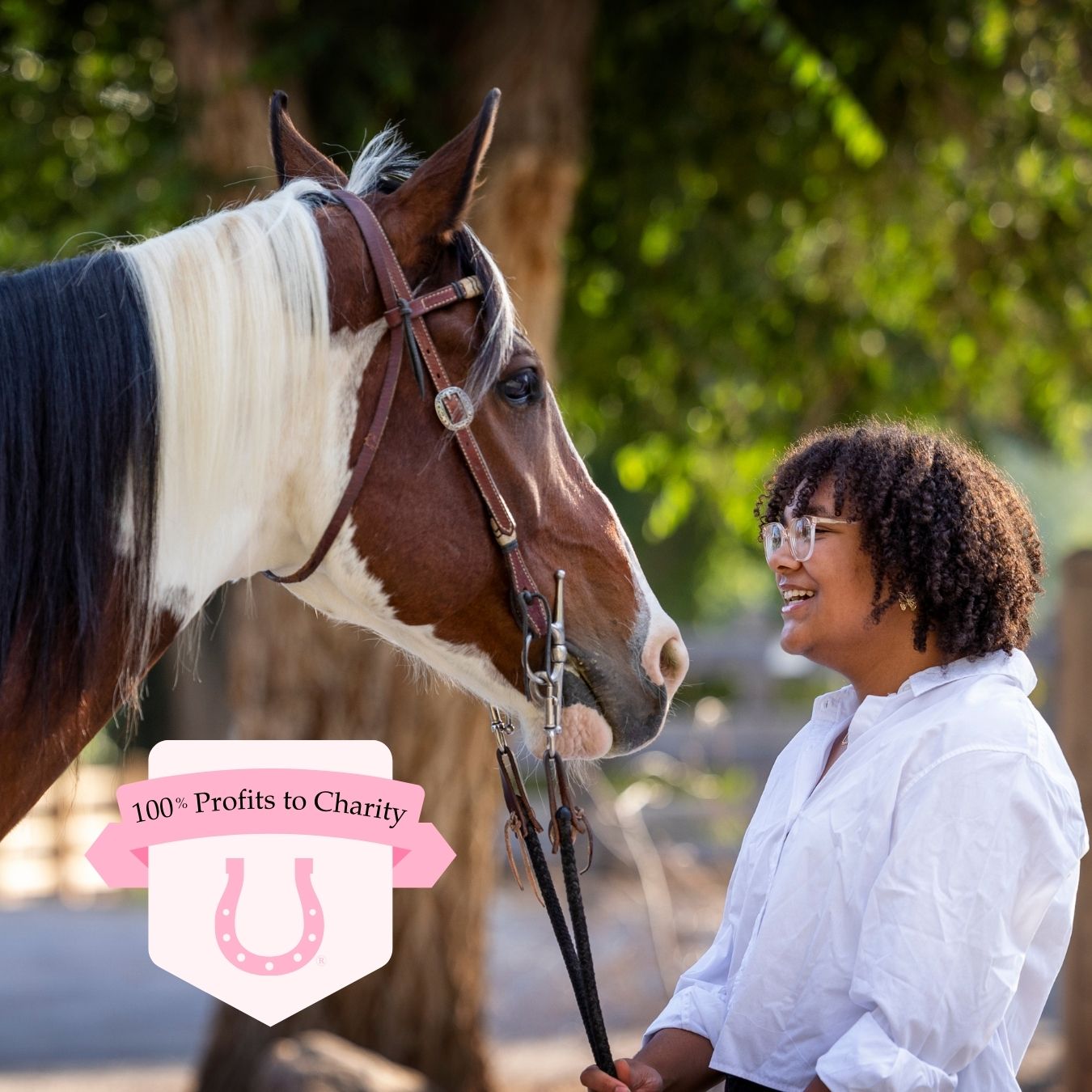
The Bridle Up Hope Shop carries women's, girls', and baby western and equestrian apparel, and 100% of annual net profits from the shop go to the Bridle Up Hope foundation. If you want western style that feels real, practical, and horse-loving without the costume energy, visit Bridle Up Hope Shop and find pieces you can wear, gift, and build around.
Leave a comment