


You're probably here because you've had at least one of these moments. Breeches that feel fine standing in the tack shop become restrictive the second you sit deep in the saddle. A waistband rolls down every posting trot. A jacket fits your shoulders but pulls at the bust, or fits the bust but turns boxy everywhere else. Boots zip halfway and stop.
That frustration is real, and it isn't because your body is the problem. A lot of horse riding clothes plus size shoppers are dealing with inconsistent labels, limited size runs, and gear that was graded up from straight sizes without reworking the actual fit. The result is clothing that technically “goes on” but doesn't ride well.
There's good reason to expect better. The global plus-size clothing market was valued at $579.8 billion in 2023 and is projected to reach $964.9 billion by 2033 according to Allied Market Research's plus-size clothing market analysis. That demand has pushed more brands to expand size ranges, including in equestrian wear.
The useful question isn't “What size am I?” It's “How is this brand built, and will this garment work for my body in motion?” That's the lens that makes shopping easier. Labels matter less than measurements, fabric behavior, rise, seam placement, and closure design.
Table of Contents
- Your Guide to Confident Plus Size Riding
- The Perfect Fit Starts with Your Measurements
- Choosing Your Core Gear Plus Size Breeches and Tights
- Building Your Upper Body Wardrobe Shirts and Jackets
- English vs Western A Plus Size Style Guide
- Essential Accessories Chaps Boots and Helmets
- Smart Shopping Where to Find Inclusive Brands
Your Guide to Confident Plus Size Riding
Finding riding clothes that fit a plus-size body often means sorting through mixed messages. One brand calls US 14 plus size. Another doesn't start there until US 18. One chart runs to extended sizes in breeches but stops short in coats. Another offers a generous label with a narrow calf or a low rise that slips the second you mount.
That confusion can make you feel like you're guessing. A better approach is to shop like a rider, not like a number on a tag. Riders need clothes that stay put through transitions, don't pinch at the hip crease, don't bunch under boots, and let the shoulders move freely when you shorten reins or open a gate.
You don't need your riding clothes to make you look smaller. You need them to let you ride better, breathe easier, and stop distracting you.
Plus-size riding wear has improved because riders kept asking for more accurate fits, more thoughtful grading, and gear that treats larger bodies as performance bodies. Historically, the equestrian industry often capped availability around XL or 2X, but newer ranges now extend much further in some lines, with some brands offering 4X to 5X and broader sizing charts for core pieces like breeches and tops, as noted by Dataintelo's horse riding clothing market report.
What confidence looks like in practice
Confidence in the saddle doesn't come from squeezing into the smallest size you can fasten. It comes from fit choices that work.
- A waistband that stays anchored: You shouldn't spend the ride tugging upward.
- Fabric that stretches and recovers: Soft is nice. Supportive is better when it still lets you move.
- Real proportion changes: A plus-size cut should account for hip, thigh, rise, bust, and calf, not just add width everywhere.
- A size chart you can trust: If a brand hides measurements, that's useful information too.
Horse riding clothes plus size shopping gets easier once you stop asking, “What size do I wear everywhere?” and start asking, “What are my must-haves for this garment?”
The Perfect Fit Starts with Your Measurements
Why the label keeps failing you
The biggest shopping mistake I see is trusting the label before the chart. In equestrian wear, that's how riders end up with breeches that fit in the waist but cut into the thigh, or jackets that button but restrict rein contact.
The underlying issue is simple. There isn't a standard definition of plus size across equestrian brands. It can start at US 14 in one label and US 18 in another, which is why Equifactory's overview of plus-size equestrian brands makes the case for relying on personal measurements rather than the size name alone.
That's even more important for technical garments. Breeches, tights, show coats, and boots all have pressure points. If the garment is wrong at one key point, it usually feels much worse once you ride.

How to measure for riding clothes
Use a soft tape measure, wear close-fitting clothes, and stand naturally. Don't suck in, and don't pull the tape tight enough to distort the number. If you want a refresher on getting clean numbers, this TryThisFit measurement hack is a practical walkthrough.
For riding clothes, these are the measurements worth having on hand:
-
Bust or chest
Measure around the fullest part. This matters most for sun shirts, base layers, and jackets that need room across the front without dragging at the buttons. -
Natural waist
Find the smallest part of your waist or the point where your body naturally bends. This is the anchor point for breeches and tights. -
Hips
Measure the fullest part of the seat and hips. This often decides whether breeches will glide over the hips comfortably or strain at the zipper. -
Inseam
Measure from the crotch to the ankle bone. Even with stretchy sock bottoms, inseam gives you a clue about where knee patches and grip panels will land. -
Thigh and calf
These are the measurements riders often skip, then regret skipping. They matter for breeches, half chaps, and boots more than many product pages admit.
Practical rule: If your waist and hip land in different sizes, start with the size that respects the larger pressure point. A too-small waist or thigh usually rides worse than a slightly roomier seat.
Essential Measurements for Riding Apparel
| Measurement | How to Measure | Why It Matters for Riders |
|---|---|---|
| Bust | Around the fullest part of the bust or chest | Prevents pulling in shirts, jackets, and show coats |
| Waist | Around the natural waistline | Helps breeches stay up and reduces rolling |
| Hips | Around the widest part of the hips and seat | Affects breech fit through the zipper, seat, and upper thigh |
| Inseam | From crotch to ankle bone | Helps estimate leg length and grip placement |
| Thigh | Around the fullest part of the upper thigh | Reduces binding in breeches and tights |
| Calf | Around the widest part of the calf | Critical for tall boots and half chaps |
A product example can help show how to use this information. The Perfection Jean Breeches are described as faux jean breeches with all-day flexibility, subtle compression, a full-seat snaffle design, and a western fit. The product guidance says that if you're between sizes, size up for comfort. That kind of note is useful because it tells you how the cut behaves, not just what number sits on the tag.
Choosing Your Core Gear Plus Size Breeches and Tights
Breeches and tights do the hardest job in your riding wardrobe. They have to flex through the hip, stay secure at the waist, sit smoothly under boots, and give enough grip without locking you into one position.

What fabric and rise actually do in the saddle
Not all stretch feels the same. Some fabrics feel soft in the dressing room and then bag out after twenty minutes. Others feel firm at first but settle into a secure fit once you start moving.
For plus-size breeches, the useful benchmark is engineered stretch with recovery. Breeches.com's guide to body-inclusive equestrian clothing notes that technical plus-size breeches require 20 to 30% stretch ratios to accommodate measurements up to 54 inches in the bust and 46 inches at the waist while maintaining flexibility and saddle grip. That's the sweet spot many riders are looking for. Enough give to move, enough structure to hold shape.
The rise matters just as much:
- High-rise styles usually work well if you want more coverage and less waistband roll.
- Mid-rise styles often feel balanced and are easier for riders who don't like pressure high on the torso.
- Low-rise cuts can work, but they're more likely to slide or dig when you sit fully or ride in two-point.
If you want more examples of how different riding cuts behave across styles, Bridle Up Hope has a useful article on riding clothes for women.
Full seat versus knee patch
This choice isn't about right or wrong. It's about what bothers you less and supports you more.
Full-seat breeches give more grip through the seat. Many dressage riders and riders who want a more anchored feel prefer them. The downside is that some full-seat designs create extra warmth, and lower-quality grip can feel sticky in a way that fights your position.
Knee-patch breeches leave the seat smoother and often feel easier for riders who post a lot, jump, or just hate the sensation of a tacky seat panel. The trade-off is less security if you like being a little more “held” in the saddle.
A good pair of breeches should feel quiet once you're mounted. If you're thinking about the waistband, seams, or grip every few minutes, they aren't doing their job.
A few construction details are worth checking before you buy:
- Waistband width: A broader waistband often spreads pressure better and feels less diggy.
- Pocket placement: Deep side pockets can be useful, but badly placed seams can add bulk at the hip.
- Ankle finish: Sock bottoms or low-profile ankle panels usually reduce bunching under boots.
- Seat seams: Thick seams can become surprisingly irritating on long rides.
A visual walkthrough can help you spot these differences in real garments:
What to check before you buy
When I'm helping someone think through horse riding clothes plus size options, I tell them to ignore the model photo for a moment and read the product like a piece of equipment.
Ask these questions:
- Does the brand mention recovery, compression, or supportive stretch? If not, the fabric may feel softer than it performs.
- Is the waistband described clearly? “Comfort fit” is vague. High-rise, contoured, pull-on, or belt-loop construction tells you more.
- Are there real body measurements in the chart? A chart with only generic size names is a warning sign.
- Is there guidance for in-between sizes? Size up or size down notes save returns.
- Do the seams and grip areas match your discipline? A jumper rider and a dressage rider won't always want the same feel.
Building Your Upper Body Wardrobe Shirts and Jackets
A lot of plus-size riders can find a shirt that fits standing still. The harder part is finding one that still fits when you reach forward, shorten your reins, zip a vest over it, or put on a show coat. Upper-body fit is about mobility first, polish second.
Schooling tops that move with you
For everyday riding, the best tops usually share a few traits. They have stretch through the shoulders, enough room through the bust, and a hem that stays put without becoming tunic-length bulk around the hip.
Good schooling shirts tend to work because of cut, not decoration.
- Shoulder room matters: If the shirt tugs across the upper back when you reach, it's too small or too narrowly cut.
- Breathable fabric earns its keep: Barn days run hot, even in cool weather layers.
- A little length helps: Too short and it rides up. Too long and it bunches under your waistband.
If you want a custom team look or a polished layer for clinics and casual barn events, embroidered shirts can be a practical option, especially when you're trying to balance a neat appearance with a fit that doesn't feel overly formal.
A shirt that fits your bust but locks your shoulders isn't a riding shirt. It's just a shirt you happen to be wearing near a horse.
Jackets and vests that look polished without fighting your body
Jackets raise the stakes because poor fit gets obvious fast. The shoulder seam, bust closure, sleeve mobility, and hip line all have to cooperate. If one area is off, the whole garment looks and feels wrong.
When trying jackets, pay attention to these points:
-
Button strain
If the front pulls into diagonal lines, the jacket is too small through the bust or midsection, even if it technically closes. -
Shoulder restriction
Lift your arms as if you're adjusting reins. If the whole coat hikes up, you don't have enough mobility. -
Bulk at the waist
Oversizing to get bust room often creates a boxy middle. In many cases, it's better to fit the largest point and tailor the rest. -
Hem behavior in the saddle
The jacket shouldn't catch awkwardly or flare in a way that distracts you.
Vests can be easier because they remove sleeve restriction, but they still need room at the bust and a clean line over the hip. For many riders, a fitted vest over a breathable long-sleeve base layer gives a more comfortable silhouette than a stiff jacket for everyday riding.
English vs Western A Plus Size Style Guide
English and Western riding ask different things from clothing. Both can look sharp on plus-size riders. The key is respecting the discipline without forcing your body into cuts that don't suit how you move.

English riding fit priorities
English turnout usually asks for a cleaner, closer line. That doesn't mean tight everywhere. It means intentional fit.
For English riding, focus on:
- Breeches that sit smoothly: Wrinkling at the knee, sagging at the seat, or a rolling waistband stands out fast.
- A technical top with shoulder freedom: You need reach without extra fabric bunching under layers.
- A jacket that shapes without squeezing: The neatest look comes from correct proportion, not from sizing down.
- Boot systems that stay sleek: Paddock boots and half chaps can be easier to fit than rigid tall boots, especially if your calf fit is hard to match.
English riders often do best when they keep the lower body sleek and let the garment engineering provide support. Too much compression everywhere can leave you feeling armored instead of comfortable.
Western riding fit priorities
Western style gives you a little more visual flexibility, but fit still matters. Riding jeans that twist, gap, or sag are just as distracting as poorly fitting breeches.
Western riders often look and feel best in:
- Structured stretch jeans or faux jean breeches: You want the look of denim with enough flexibility to ride comfortably.
- Shirts with room across the back and bust: Snap-front styles can work beautifully if they don't strain.
- Layers that define shape without adding stiffness: Vests and lighter jackets usually outperform bulky outerwear in the saddle.
- Boots with practical shaft and ankle fit: A great-looking boot still has to let you move and mount safely.
For a discipline-specific visual reference, Bridle Up Hope's guide to Western riding apparel is a helpful starting point.
A common mistake in Western wear is buying up for comfort and ending up with too much fabric through the leg and seat. Western can be relaxed, but it still rides better when the clothes follow your shape cleanly.
The most flattering riding outfit usually isn't the loosest one. It's the one that stays where it belongs and lets your position look natural.
Essential Accessories Chaps Boots and Helmets
Accessories are where many plus-size riders hit the wall. Breeches might fit. Shirts might work. Then the half chaps won't close, the boots pinch at the ankle, or the helmet creates pressure spots before you even reach the arena.

Half chaps and boots without the calf battle
Proportional design matters. Some inclusive equestrian brands offer extended ranges up to 4X and 5X and include wide-calf half-chaps designed for calf circumferences up to 23 inches, which helps avoid the common “bigger everywhere” problem, according to Run Equestrian's plus-size apparel brand guide.
That matters because calf fit is not the same as overall body size. A rider can need a wider calf with a smaller foot, or a roomier ankle with a standard shaft height.
When choosing boots or half chaps, check these points:
- Calf measurement first: Measure at the widest point, preferably while wearing the breech or sock thickness you'll ride in.
- Ankle shape next: Some boots fit the calf but bunch badly at the ankle.
- Closure style matters: Stretch panels and lace systems can offer more forgiveness than rigid zips alone.
- Height still counts: A chap that fits in width but hits the back of the knee wrong will still be miserable.
If you're between two calf options, don't assume the larger one is automatically better. Too much extra space can rub, slip, and look untidy.
Helmet fit still matters even when clothing is the main headache
Helmets are a different category, but the shopping mindset is the same. Ignore the labeled size until you know your actual measurement and head shape. A helmet can be technically the right circumference and still feel wrong if the shape doesn't match you.
A good helmet fit should feel even all around. Not crushing at the forehead, not loose at the sides, not shifting when you move your head. Pressure points don't improve with wishful thinking.
Three quick checks help:
-
Wear it long enough to notice hotspots
A quick try-on isn't enough. -
Adjust the harness after the shell fit is right
Straps don't fix a wrong shell. -
Check stability, not tightness alone
A helmet that only feels secure because it's painfully tight is not a good fit.
Smart Shopping Where to Find Inclusive Brands
You find a pair of breeches in your usual size, add them to cart, then notice the chart uses a different waist measurement than the last brand you tried. That kind of inconsistency frustrates a lot of plus-size riders. The fix is not chasing one perfect label. It is learning how to read each product page like a fit checklist.
More brands now offer extended sizing, but the label alone still tells you very little. A good plus-size range usually shows up in the details: fuller rise options, realistic hip and thigh proportions, better stretch recovery, and clear notes about calf fit or compression. Brands that add bigger numbers without changing the pattern often create the same old problems, just in a larger tag size.
A better shopping approach is to compare charts, fabric notes, and cut descriptions before you compare brand names.
Use this checklist before you buy:
- Start with the chart, not the model photo: Check your measurements against that specific item. Brand sizing is inconsistent enough that your best fit may be a different labeled size from one retailer to the next.
- Read the fit notes carefully: “High rise,” “firm waistband,” “compressive,” and “relaxed through the thigh” are useful clues if you know where breeches usually fail on your body.
- Look for signs of real grading: Product pages that mention rise depth, inseam, calf width, or body-shape feedback usually come from brands that have thought harder about fit.
- Check fabric behavior, not just stretch: A soft fabric can still sag after an hour in the saddle. Terms like recovery, structure, and midweight knit matter.
- Read the return policy before checkout: Online trial and error is part of the process. Flexible returns make it easier to test new cuts without wasting money.
- Use retailers that sort by riding use and fit needs: Clear filters and honest descriptions save time, especially when you are comparing tights, schooling breeches, and show pieces side by side.
If you want a starting point for comparing labels, this roundup of equestrian apparel brands for different riding styles and needs helps narrow the field without pretending every brand fits every body the same way.
Multi-brand shops can also be useful because they let you compare cuts in one place instead of committing to a single brand's sizing logic. Bridle Up Hope Shop is one example of a retailer that carries equestrian apparel within a broader horse-focused catalog and offers an optional Redo add-on for unlimited free 30-day returns with shipping protection. That policy gives riders more room to test fit thoughtfully, especially while figuring out which rise, fabric, and cut actually work for their body.
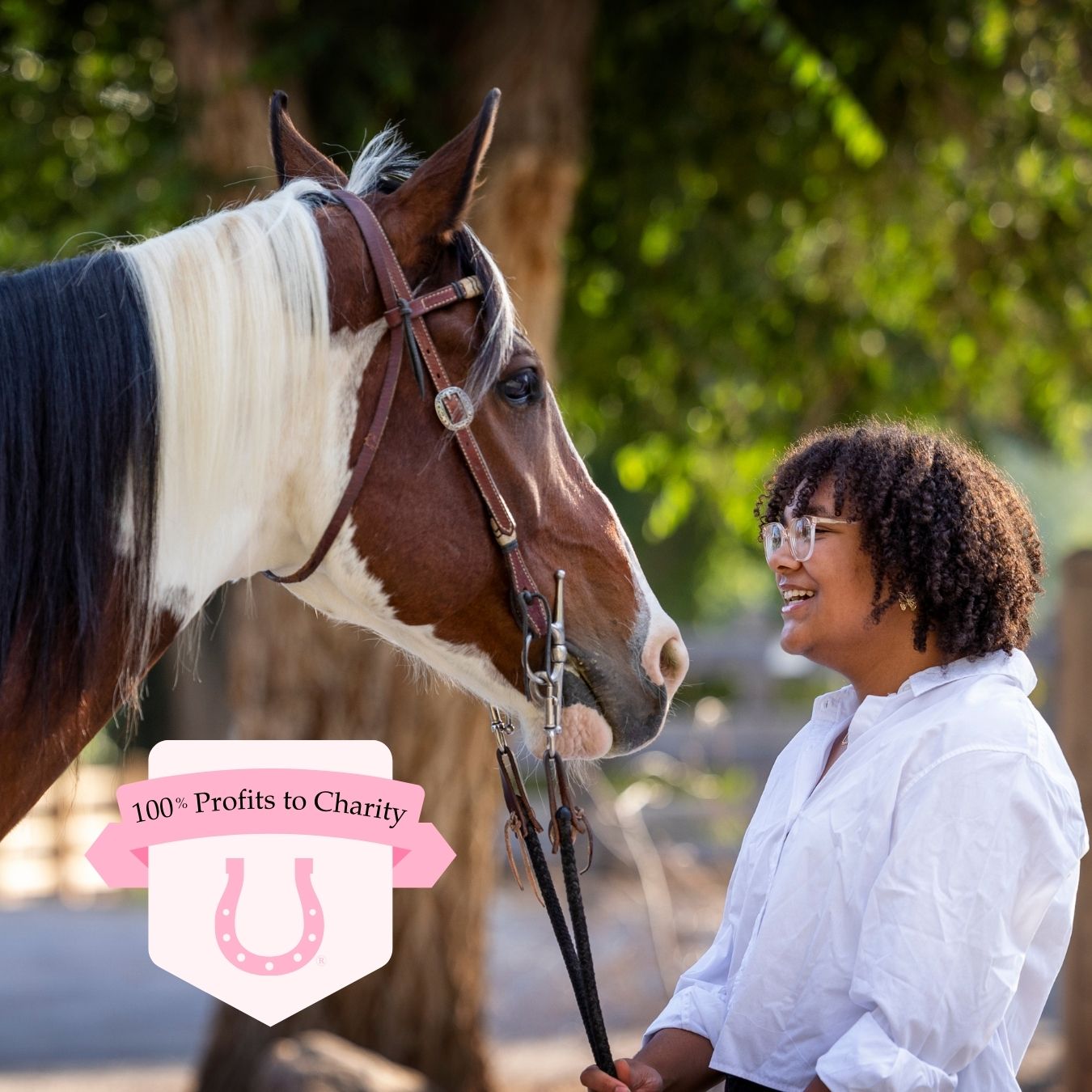
If you want a place to start browsing thoughtfully selected equestrian apparel and horse-themed goods, visit the Bridle Up Hope Shop. Purchases support the Bridle Up Hope foundation through its charitable model, so you can shop with fit and purpose in mind.
Leave a comment