


You might be reading this with two pictures in your mind at once. In one, a horse walks between rows of vines, the late light turns everything gold, and someone hands you a glass of wine after a lovely ride. In the other, you're wondering whether you'll feel awkward on the horse, whether the wine part will feel rushed, and whether this is the kind of outing that sounds better online than it feels in real life.
That mix of romance and uncertainty is completely normal. A horse riding winery tour can be one of the most memorable ways to spend a day, but it's best when you choose it with clear eyes. The right tour feels relaxed, safe, and beautifully paced. The wrong one can leave a beginner flustered, a serious rider underwhelmed, or a wine lover wishing there were more time to linger.
I've always thought of these outings as less like a riding lesson and more like a guided country afternoon with a saddle involved. If you know what the day asks of you, physically and emotionally, you're much more likely to come home happy, dusty, and already planning the next one.
Table of Contents
- What to Expect on a Vineyard Trail Ride
- Finding Your Perfect Tour Destination
- How to Choose and Book Your Tour
- Safety Etiquette and What to Pack
- Gifting the Equestrian Wine Experience
- Frequently Asked Questions
What to Expect on a Vineyard Trail Ride
The best way to think about a horse riding winery tour is this. It's a guided nature walk on horseback, set in wine country. You're not there to post the trot of your life or prove your riding skill. You're there to settle into the rhythm of the horse, look out over vines and hills, and enjoy a day that moves slower than most vacations do.

How the day usually unfolds
Most tours begin gently. You arrive, sign the waivers, meet your guide, and get paired with a horse. For first-timers, this is often the moment nerves show up. That's okay. A good guide notices it immediately and gives clear, calm instructions on mounting, holding the reins, and sitting in balance.
The ride itself is usually the easiest part. Horseback riding wine tours in North America typically last between 60 and 90 minutes, follow a walking pace, and are designed to be accessible to all skill levels. Riders can often join the trail from age 12, while the tasting portion is reserved for guests 21 and over, according to Wine & Country Life's overview of vineyard horse tours.
That walking pace matters more than people realize. It means you can breathe, look around, chat a little, and get used to the movement without feeling like the horse is making decisions faster than your body can follow.
What it feels like for beginners
If you've never ridden before, expect two sensations at once. The first is delight. Horses feel alive in a way no bike, car, or wagon ever does. The second is a little stiffness in your hips and legs as your body learns a new seat.
Practical rule: If you can comfortably sit upright, follow simple directions, and stay relaxed, you can usually enjoy this type of ride even without previous experience.
A beginner-friendly tour often has a sweet emotional arc. You start out slightly self-conscious. Then you notice the leather creak, the sound of hooves on the trail, the scent of dust and leaves, and the fact that your horse seems far less worried than you are. By the halfway point, you soften into the ride.
A few things surprise guests:
- It's calmer than expected. People often picture something dramatic, but most tours feel gentle and measured.
- You use more core and leg than arm. New riders tend to think steering is all hands. Good riding is more about posture and softness.
- The wine comes after the horse work. Even on an easy trail, you've been outdoors, often in sun and fresh air, so you'll feel the ride in your body.
That last point is part of the charm. You've earned the quiet sit-down afterward. The tasting often feels more grounded because you've already spent time moving through the vineyard where the grapes grow.
Finding Your Perfect Tour Destination
Where you go shapes the mood of the whole outing. Some places feel polished and iconic. Others feel intimate, green, and tucked away. If you choose your destination the way you choose a horse, based on temperament rather than looks alone, you'll be much happier.
A quick visual can help if you're still dreaming your way through the options.

Match the region to your travel style
Across North America, the idea is well established. Popular hubs include Napa Valley in California, Dundee Hills in Oregon, and Red Mountain in Washington. Some operators in Oregon visit as many as three wineries in one ride, as noted by Wine Enthusiast's guide to horseback wine destinations.
Here's how I'd think about a few classic styles:
| Region style | What it tends to feel like | Best for |
|---|---|---|
| Napa Valley | Iconic, scenic, polished | Travelers who want a classic wine-country trip |
| Oregon's Dundee Hills | Lush, relaxed, more boutique | Riders who like variety and multiple winery stops |
| Washington's Red Mountain | Open landscapes, growing portfolio of ride options | Travelers who want something a bit less expected |
| Virginia and similar regions | Charming, countryside energy | Guests who want a softer, more rustic day |
If your heart pulls toward Europe, the same dream translates beautifully there, just in a different key. For readers sketching out an Italian version of this kind of trip, Explore Effortlessly on Tuscany's best towns is a useful planning companion because the setting matters as much as the tasting.
Later, if you want to see the idea in motion, this short video gives a feel for the atmosphere many travelers are after.
A simple way to narrow your choice
Don't start by asking, “Where is the prettiest?” Start with these three filters:
-
Your trip style
If you want a celebratory weekend, choose a famous wine region with strong hospitality. If you want a slower, quieter outing, look for smaller wine areas and boutique operators. -
Your wine style
Some guests want one thoughtful tasting and time to savor it. Others enjoy a moving itinerary with more than one stop. Neither is better. They just create different days. -
Your comfort with crowds
Big-name wine areas come with bragging rights and infrastructure. They can also feel busier. Smaller regions may offer more breathing room.
Some tours are memorable because of the wine. Some because of the horse. The best ones give both enough space.
A good destination isn't the one everyone else posts. It's the one that fits how you want to feel overall.
How to Choose and Book Your Tour
Booking the right horse riding winery tour is a little like fitting a saddle. If one part is off, the whole experience feels wrong. A tour might be beautiful on paper and still be a poor match for your confidence level, your budget, or the kind of wine outing you enjoy.
Start with your rider profile
Be honest about who you are on a horse, not who you wish you were.
If you're a true beginner, look for words like “walk-only,” “no prior riding required,” and “guided trail.” You want a steady horse, a patient guide, and no pressure to perform. If you ride occasionally, ask whether the outing still suits someone who wants a little more responsiveness from the horse, even at a calm pace.
If you're a more experienced rider, don't assume a wine-country ride will scratch the same itch as a schooling ride or a mountain trail day. It may still be wonderful, but for different reasons. Think scenery, companionship, and atmosphere rather than technical riding.
Know what you're paying for
This category sits firmly in premium territory. Some vineyard trail rides in markets like Sonoma are priced at $200 to $250 per rider, and pricing reflects horse transport, limited vineyard access days, reservation coordination, and the need for experienced guides. The same source also notes that 42% of wine tourists prioritize eco-verified activities, while few tours publish soil-impact data, according to Dark Springs Stables trail ride information.
That pricing makes more sense when you remember what the operator is balancing at once:
- Horse care: Sound horses, tack, staffing, and rest schedules
- Land access: Vineyard routes often require careful timing and coordination
- Guest management: The guide is watching both people and horses the entire time
- Hospitality logistics: Tasting reservations, pace, and transitions all need to line up
If you want a broader comparison point for trip budgeting, this guide to horse riding costs and what shapes them helps explain why horseback experiences vary so much.
Questions worth asking before you book
This is how a smart guest protects her own day. Ask direct questions and listen for direct answers.
- What kind of rider is this best for? If the answer is vague, keep asking.
- How much time is spent riding versus tasting? A wine-first guest and a horse-first guest may want different ratios.
- How large are the groups? A small group feels very different from a busy line of riders.
- What happens if weather changes? Ask about rain, heat, and cancellation terms.
- What are your sustainability practices on vineyard land? Since many operators don't publish this information, it's worth asking how they manage trail routes and protect the growing area.
Booking insight: The best operators answer practical questions without sounding defensive. Clear answers usually signal a well-run day.
For travelers who are deciding between wine-country formats, not just destinations, it can be helpful to compare horseback outings with more traditional private tastings. This overview of exclusive Spanish wine experiences is a good contrast because it highlights how different the pacing can feel when horses aren't part of the plan.
Safety Etiquette and What to Pack
A horse riding winery tour should feel easy, but easy doesn't mean casual about safety. Horses are generous animals, not machines. The most relaxed rides happen when guests follow the small etiquette rules that keep the whole group steady.

Trail manners that make everyone safer
One concern doesn't get enough plain-language discussion. Most tours are walk-only, but dehydration combined with alcohol in a sunny, uneven environment can be a real risk. The same source notes that 68% of first-time trail riders report anxiety about safety, which makes it wise to ask about liability policies and hydrate before tasting, based on California Ranch Company's private tour page.
That sounds serious because it is. It doesn't mean these tours are unsafe. It means riders should treat the day like an outdoor activity first and a tasting second.
A few etiquette habits matter every time:
- Keep space between horses. Horses often prefer a little room, especially on narrow trails or when stopping.
- Listen the first time. Guides usually give short, practical instructions. Follow them even if they seem obvious.
- Move calmly around the horse. Fast, erratic motion can make any horse uneasy.
- Wait for mounting and dismounting cues. This is when beginners often feel wobbly.
Stay hydrated before the tasting starts, not after you already feel thirsty.
Your practical packing list
Packing for this day is half comfort, half good sense. You want to look nice enough for a winery, but not so dressed-up that you can't swing a leg over a saddle.
Here's my favorite simple checklist:
- Closed-toe shoes: A small heel is helpful. Skip sandals entirely.
- Comfortable pants: Choose something with stretch so you can sit easily in the saddle.
- Sun protection: Hat, sunscreen, and sunglasses matter more than people expect.
- Water: Bring it even if the operator also has some available.
- A light layer: Mornings can feel cool, and tasting rooms sometimes do too.
- A small crossbody or compact bag: Keep your hands free when needed.
If you want help picking clothes that feel polished but still ride-friendly, this guide to riding clothes for women is a useful starting point.
A few things to leave behind:
| Leave it at home | Why it causes trouble |
|---|---|
| Loose flowing scarves | They can flap and distract horse or rider |
| Brand-new stiff boots | They often rub before the ride ends |
| Heavy tote bags | Awkward for mounting and handling personal items |
| Too much perfume | Strong scents can be unpleasant in close quarters |
You don't need to look like a professional rider. You just need to look like someone ready for a comfortable day outdoors.
Gifting the Equestrian Wine Experience
Some outings end when you get back to the car. A horse riding winery tour usually lingers. People keep talking about the horse's name, the smell of the vines in the heat, the bottle they brought home, the moment they stopped feeling nervous. That's why it makes such a lovely theme for gifting.

Gifts before the trip
Before the outing, the best gifts are practical with a little charm built in.
A journal is a thoughtful choice for the friend who likes to remember details. Horse people are often sentimental about places, horses, and small moments, and a winery ride gives plenty to write down. A cozy sweater also makes sense for cool evenings, especially if the trip includes dinner or a firepit after the tasting.
If the person loves dressing for the occasion, a snaffle bit necklace or another subtle equestrian piece works well because it nods to the riding half of the day without feeling costume-like.
Gifts that keep the memory alive
After the trip, I like gifts that move the memory into everyday life. Horse-themed tea towels are perfect for someone who came home with a few bottles and is still reliving the whole weekend in the kitchen. A framed horse print, a mug, or a home piece with English or Western styling can do the same thing in a gentler way.
For a bigger gifting moment, a curated equestrian gift collection gives you more room to match the person's style. Some people want jewelry. Others want a throw blanket, a book, or something for the house. This roundup of equestrian gift ideas for horse lovers is helpful when you're trying to choose something that feels personal rather than generic.
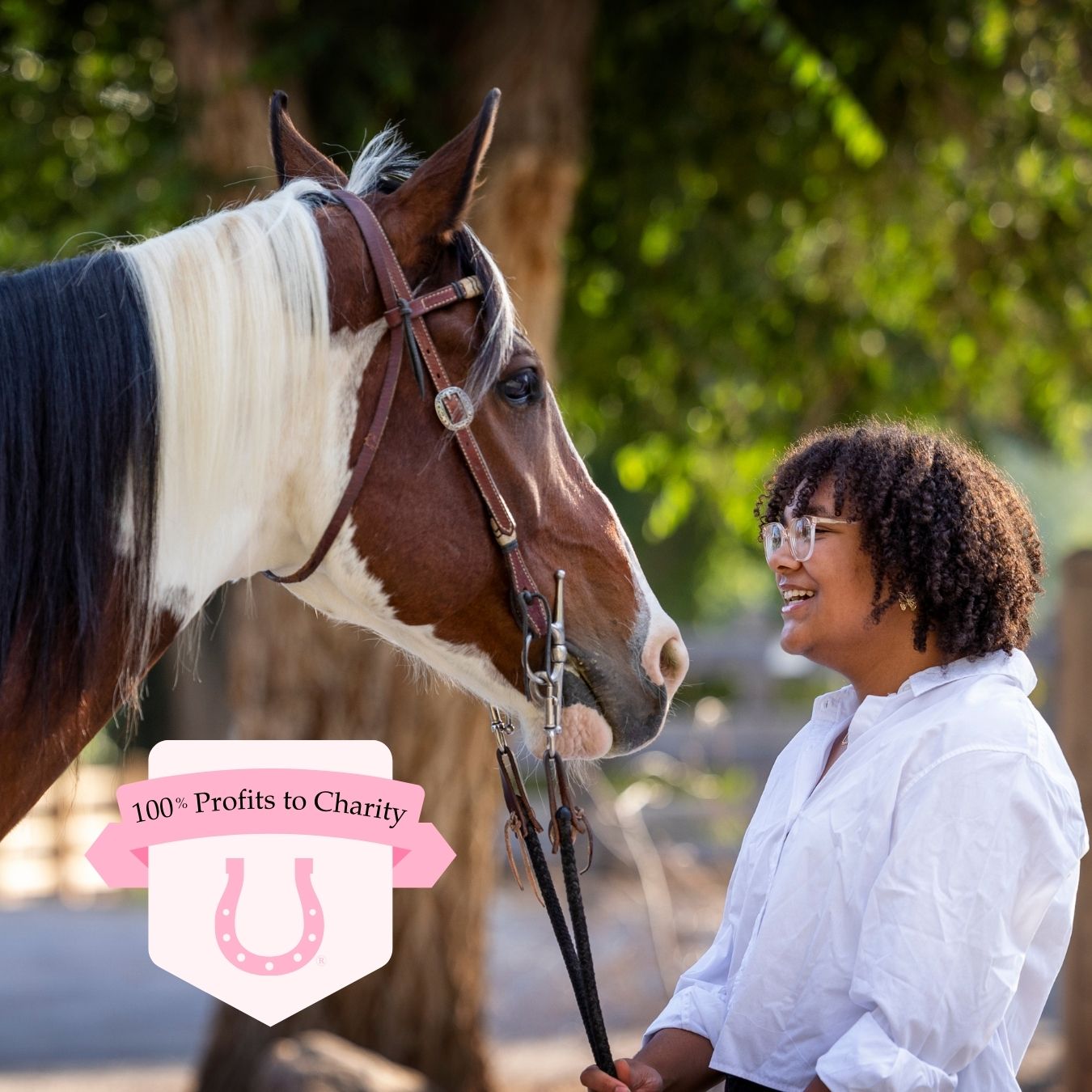
One reason gifts in this category can feel especially good to give is when the shop itself has a mission behind it. Bridle Up Hope Shop states that 100% of annual net profits support the Bridle Up Hope foundation, which serves girls and women through horses and habits. That kind of model fits the spirit of the experience nicely. It turns a pretty present into something with a second layer of meaning.
A good gift doesn't try to copy the trip. It gives the feeling of the trip a place to stay.
Frequently Asked Questions
A few questions always come up once the idea shifts from dreamy to real. These are the practical ones I hear most often.
Can I choose my own horse
Usually, not fully. Most reputable operators match horses to riders based on size, confidence, and experience. That's a good thing. The calm horse you need for a vineyard ride may not be the flashy one you'd pick from a photo.
If you have a strong preference, ask politely. You can mention that you prefer a very quiet horse, or that you've ridden enough to enjoy one that feels a bit more forward. But the guide's match should carry more weight than your first impression.
What if the weather turns
Policies vary. Some operators ride in light weather and cancel in conditions that make footing unpleasant or visibility poor. The key is to ask this before booking, especially if your trip depends on one specific day.
If the weather looks mixed, dress in layers and avoid anything that becomes miserable when damp. A lightly cool day can still be lovely on horseback. A sloppy, slippery one is another matter.
What about non-riders in my group
Often, yes, there are ways to make the day work for mixed groups. Some people skip the ride and meet the group at the winery. Others book a separate tasting, lunch, spa visit, or scenic drive nearby while the riders are out on the trail.
This is worth coordinating in advance rather than improvising. Winery reservations tend to run more smoothly when everyone's plan is clear.
Will I be sore afterward
You might be, especially if you're new to riding. Most soreness is mild and shows up in your hips, inner thighs, and lower back. Think “I tried something new” sore, not “I need a recovery week” sore.
The easiest way to reduce it is to relax in the saddle, wear the right clothes, and avoid gripping with your knees the whole time.
Is it better for horse lovers or wine lovers
It can suit both, but the happiest guests usually enjoy at least a little of each. A devoted rider who expects a sporty ride may find it too gentle. A devoted wine lover who dislikes animals up close may feel tense during the horse portion.
The sweet spot is someone who likes outdoor experiences, doesn't mind slowing down, and enjoys a sense of place.
What if I feel nervous right before mounting
Tell the guide. Don't hide it. Good guides have heard it all before, and they'd rather support you early than discover your fear halfway down the trail. Many nervous riders end up loving the day once they settle into the horse's walk.
Sometimes the bravest part of the whole outing is just putting your foot in the stirrup.
If you'd like to bring a bit of that horse-and-wine-country feeling home, Bridle Up Hope Shop offers equestrian-inspired apparel, jewelry, home goods, books, and gifts for horse lovers of all ages. It's a lovely place to find something meaningful, and each purchase supports a bigger purpose through the shop's charitable model.
Deje un comentario