


Most horse people have the same problem. We have hundreds of photos we love, and almost none of them leave the phone.
There's the horse standing in fog at first light. The blue ribbon photo that still makes your chest tighten a little. The grainy but priceless snapshot of a child's first ride, helmet crooked and grin enormous. Those aren't just pretty images. They're markers of a life built around horses, and they deserve better than getting lost between screenshots and grocery lists.
That's why horse photo frames matter more than people sometimes think. A frame turns a passing image into part of your home. It gives one moment a place of honor. It also makes a horse memory easier to revisit, especially when the photo carries more feeling than any caption ever could.
Plenty of riders and gift buyers already treat this as a real category, not a novelty. One Etsy listing for a Running Horses Metal Art Photo Frame in 5x7 is priced at $34.50 and has 779 five-star reviews, which tells you there's a steady market for horse-themed framed décor. It also sits close to that shop's $35+ free U.S. shipping threshold, which is exactly the kind of practical detail shoppers notice when buying gifts online.
Table of Contents
- Bringing Your Equestrian Memories to Life
- Finding a Style That Tells Your Story
- Understanding Frame Materials and Craftsmanship
- Getting the Perfect Fit for Your Horse Photo
- Pairing Frames with Memories and Home Decor
- How to Create a Beautiful Equestrian Display
- The Perfect Gift That Gives Back
Bringing Your Equestrian Memories to Life
A horse photo frame usually starts with a decision that feels small. You print one image. Then another. Before long, the photos that mattered most stop feeling hidden.
The strongest displays aren't always built around perfect photography. They're built around photos that hold weight. A muddy show morning. A retirement portrait taken at the gate. A black-and-white image of a horse who's gone, still standing as if he owned the whole barn. Those are the pictures people reach for when they want a room to feel personal.
Horse photo frames also sit naturally inside a much older equestrian tradition. Riders have always kept bits of a horse life close, from ribbons and tack to portraits and keepsakes. A framed photo is one of the easiest ways to do that without turning your home into a tack room.
A good horse photo frame doesn't just decorate a shelf. It tells everyone who walks by that this memory still matters.
That's one reason the category stays active year after year. Buyers aren't only shopping for an object. They're looking for a way to preserve a bond, mark an achievement, or give someone a gift that feels specific to their life with horses.
When a frame works, the room changes a little. It feels warmer. More lived in. More honest.
Finding a Style That Tells Your Story
Some horse photo frames feel right immediately. Others may be attractive on their own, but they tell the wrong story once the photo is inside them. That difference matters.
Retailers in equestrian décor describe horse-themed picture frames as a natural way to preserve memories and even call them “a welcomed gift” for horse lovers on All Things Equine's picture frame collection. That language fits what many riders already know. A frame isn't separate from the memory. It becomes part of how that memory is presented.

Start with the mood of the photo
A windswept pasture shot wants something different from a formal show portrait.
If the image feels earthy, relaxed, or a little rugged, a rustic frame usually supports it well. Distressed wood, hand-tooled details, weathered finishes, and darker stains work especially well for trail photos, ranch scenes, and candid barn moments. These frames feel grounded. They don't ask the picture to become polished if it was never meant to be.
A classic English look suits more formal images. Think clean lines, silver finishes, dark wood, mahogany tones, or a snaffle bit motif. This style works beautifully with hunter portraits, braids, prize-day photography, and memorial photos where you want quiet dignity instead of visual chatter.
Modern frames help when the photo itself carries strong composition. A sharply cropped close-up of an eye, a silhouette at sunset, or a dramatic action shot often looks better in a simple frame with less ornament. Minimalist metal or narrow dark wood lets the image speak first.
Choose the style family that fits your life
You don't need to copy one decorating label exactly. Most homes mix influences anyway. What helps is knowing the role each style plays.
- Rustic and Western: Best when you want warmth, texture, and a sense of barn life. These frames pair well with leather, iron, natural wood, and spaces that already include woven textiles or antique finds.
- Classic and English: Useful when the photo is formal or sentimental. They bring order and restraint, which is often what a treasured portrait needs.
- Modern and minimalist: Strong for contemporary homes and bold photography. They prevent busy images from feeling crowded.
- Vintage-inspired: Good for old family prints, sepia-toned horse photos, or spaces where patina already appears in mirrors, lamps, or furniture.
Practical rule: If the frame is the first thing you notice, it may be too loud for the photo.
The safest choice isn't always the plainest one. It's the one that supports the feeling of the picture without competing with it.
Understanding Frame Materials and Craftsmanship
Material changes everything. Two horse photo frames can look similar in a product photo and behave very differently in a real room. Weight, texture, durability, and finish all shape whether a frame still looks good after years on a shelf, desk, or mantel.
What each material does well
Wood is still the easiest material to live with. It works in rustic homes, traditional rooms, and many English-style spaces. It also softens a horse photo, which helps when the image has a lot of motion or contrast. The trade-off is that lower-quality wood or engineered wood can feel light, flat, or overly artificial if the finish is rushed.
Metal brings crisp edges and a cleaner silhouette. It often suits show portraits, black-and-white prints, and contemporary interiors. It can also hold up well when the frame gets moved often. The downside is that some metal-look frames feel cold if the photograph is tender or nostalgic.
Leather and leather-look frames bring tactility. They're especially good in offices, studies, and rooms with saddle, trunk, or library influences. A hand-tooled leather frame can echo tack in a subtle way that feels personal rather than themed. One example is the Magnolia Rise handtooled leather photo frame in deep mahogany, which shows how leather can bridge Western warmth and polished home décor.
Silver-toned frames tend to flatter formal portraits and gift giving. They feel ceremonial. That can be beautiful for wedding photos with horses, awards, or memorial images, but too much shine can overwhelm a casual barn snapshot.
| Material | Common Styles | Durability | Best For |
|---|---|---|---|
| Wood | Rustic, farmhouse, classic | Good when construction is solid | Barn scenes, family portraits, cozy rooms |
| Metal | Modern, English-inspired, minimalist | Strong for everyday handling | Show photos, desks, clean-lined spaces |
| Leather or leatherette | Western, library, transitional | Varies by stitching and base structure | Offices, gift frames, tack-inspired décor |
| Silver-toned finishes | Classic, formal, memorial | Best when finish is well applied | Keepsake portraits, milestone gifts |
How to spot quality before you buy
Craftsmanship often shows up in the details first. Corners should meet cleanly. Easels should feel stable. Backings shouldn't flex too easily. Decorative accents should look integrated, not glued on as an afterthought.
On the more decorative side, dimensional elements can add real value when they're done well. ArtoCiti's horse frame collection describes frames with 3D relief murals and metal horse bit accents, and the benchmark data attached to that collection states a 15% increase in customer retention for frames with metal accents versus standard plastic alternatives and a 20% higher perceived value rating for frames with tactile depth. Those figures line up with what many decorators see in practice. Texture tends to read as more substantial, and metal details often age better than faux finishes.
That doesn't mean every frame needs ornament.
Sometimes the best-made frame in a room is the quietest one. But when a horse-bit detail, relief panel, or carved motif is present, it should feel structural and intentional. If it looks flimsy in the listing photo, it usually looks worse in person.
Getting the Perfect Fit for Your Horse Photo
Sizing is where many good intentions go wrong. The photo is beautiful. The frame is beautiful. Then the print arrives, and nothing lines up.
This is especially common with horse photography because the way a horse is photographed often affects the crop. Guidance on Nutrena's horse photo tips recommends stepping back and using longer focal lengths to avoid distortion. That improves the image, but it can also produce compositions that don't drop neatly into standard frame openings. The practical question, “what size frame do I need for my horse photo?”, comes up constantly for a reason.

Know the three sizes that matter
People often use “frame size” to mean several different things. That creates confusion fast.
You need to separate these three measurements:
-
Photo size
The actual print dimensions. This is the first number to know before you shop. -
Mat opening
The visible window cut into the mat. This is usually a little smaller than the print so the photo stays in place. -
Outer frame size
The overall dimensions of the frame itself, including borders.
A phone photo may print beautifully but still need cropping if you're forcing it into a standard opening. A panoramic arena shot may lose too much if you try to squeeze it into a conventional rectangle. A vertical horse-and-rider portrait may need extra breathing room above the helmet or ears to avoid feeling cramped.
For simple gifting, standard openings are easiest. A horseshoe photo frame works well when your chosen print already fits the intended size and you don't want the recipient dealing with custom inserts or trimming.
When mats solve the problem
Mats do more than make a frame look formal. They solve fit problems and improve presentation.
Use a mat when:
- Your print is smaller than the frame opening: A mat lets a smaller photo sit neatly in a larger frame.
- The image has visual intensity: Action shots benefit from empty space around them. That pause helps the eye settle.
- You need to protect the print visually: A mat keeps the photo from feeling pressed against the edge of the frame.
Leave room around a horse's ears, stride, or rider position. Tight crops can feel accidental, even when the image itself is strong.
If the crop matters a lot, don't force the photo into a frame just because the frame is on sale. Print to the proportions you want first. Then buy the frame that supports that decision. Horse photos often look more polished when the framing respects the composition instead of correcting it after the fact.
Pairing Frames with Memories and Home Decor
The most memorable horse photo frames answer one question clearly. What kind of memory is this frame meant to preserve?
That question gets missed all the time. Equestrian imagery on social platforms often shows people craving more creative, story-driven presentation, yet most shopping advice still treats frames like generic merchandise. The better approach is to start with the emotional tone of the photograph, as reflected in this equestrian visual inspiration post, and then make design choices from there.
Match the frame to the memory first
An action shot from a barrel race or cross-country round usually benefits from a frame that feels energetic but not fussy. Dark wood, matte black metal, or a frame with a slightly bolder edge can hold that motion without making the whole piece feel frantic.
A quiet portrait asks for something else. Memorial photos, retirement portraits, and horse-and-rider close-ups often look best in frames with restraint. Soft wood tones, pewter, brushed silver, or a simple equestrian motif can support tenderness without sliding into sentimentality.
Some pairings work especially well:
- First ride or youth-show memories: Choose frames that feel warm and approachable, not overly formal. A child's horse memory should still feel joyful.
- Competition milestones: Cleaner lines and stronger finishes often suit ribbons, braids, and posed winner-circle images.
- Barn friendship photos: Wood and leather details usually feel more natural than anything glossy.
- Wedding or engagement photos with horses: Keep the frame elegant and let the image carry the romance.
Then match it to the room
Once the memory is right, bring the room into the decision.
A farmhouse kitchen can carry distressed wood, antique brass, and more visible texture. A modern living room usually looks better with narrower profiles and fewer decorative motifs. A traditional office can handle richer tones, leather, or classic bit-inspired metal details.
If the room already has a lot going on, simplify the frame. If the room is plain, a bit of equestrian character can help the photo hold its own.
The frame should belong to both the memory and the room. If it only fits one of them, something will feel off.
Often, many horse lovers over-theme their décor. One horseshoe detail is charming. Several horse motifs, loud finishes, and a dramatic photo all in one frame can tip into clutter. Let one element lead. Usually, that should be the picture.
How to Create a Beautiful Equestrian Display
A single framed photo can be lovely. A small collection can tell a life story.
The key is editing. Most equestrian displays look better when they focus on one thread instead of every horse memory at once. You might build around one horse, one season, one discipline, or one family story.

Build one focal point
Start with the anchor image. This is the frame people notice first.
On a mantel, that might be the largest portrait of a beloved horse. On a gallery wall, it could be the most formal image in the group. On a bookshelf, it may be the frame placed at eye level with the strongest contrast behind it.
Then support it with smaller pieces.
- Use companions, not duplicates: Pair the hero image with one or two quieter photos that expand the story.
- Add one object with meaning: A small ribbon, ceramic horse, brass nameplate, or stable token can deepen the display.
- Repeat one finish: If one frame has dark metal, repeat dark metal somewhere else so the arrangement feels intentional.
Three to five pieces often feel more collected than crowded. If you have many photos, rotate them seasonally instead of trying to display everything at once.
Mix sizes without making it messy
Mixed sizing works when there's one consistent thread. That thread might be color, frame material, or tone of photography.
For example, you can mix a formal portrait, a candid barn photo, and an action shot if the frames share a similar finish. You can also mix wood, metal, and leather if the color palette stays restrained.
A short styling demo can help spark ideas for arrangement and layering:
A few display habits consistently work better than others:
- Keep spacing steady: Uneven gaps make even beautiful frames look accidental.
- Lean first, then hang: Test an arrangement on a mantel or floor before you commit to nails.
- Let negative space breathe: Horse images often contain movement. They need visual rest around them.
- Avoid lining everything to the same top edge: Staggered heights usually feel more natural in home décor.
A good equestrian display doesn't need to shout. It just needs to feel like someone who loves horses lives there.
The Perfect Gift That Gives Back
A thoughtful horse photo frame does more than fill a shelf. It preserves a story, suits a room, and gives a horse memory a lasting form. The best choices come from matching the frame to the photograph itself, paying attention to fit, and choosing materials that feel right in the hand as well as in the home.
That's also why horse photo frames work so well as gifts. They're personal without being overly complicated. A frame can hold a show portrait, a family snapshot, a memorial image, or a favorite candid from the barn. It gives the recipient a way to keep that moment visible every day.
For gift-givers who want that purchase tied to a broader purpose, the gift ideas for horse lovers from Bridle Up Hope Shop offer a helpful starting point within a wider equestrian collection.

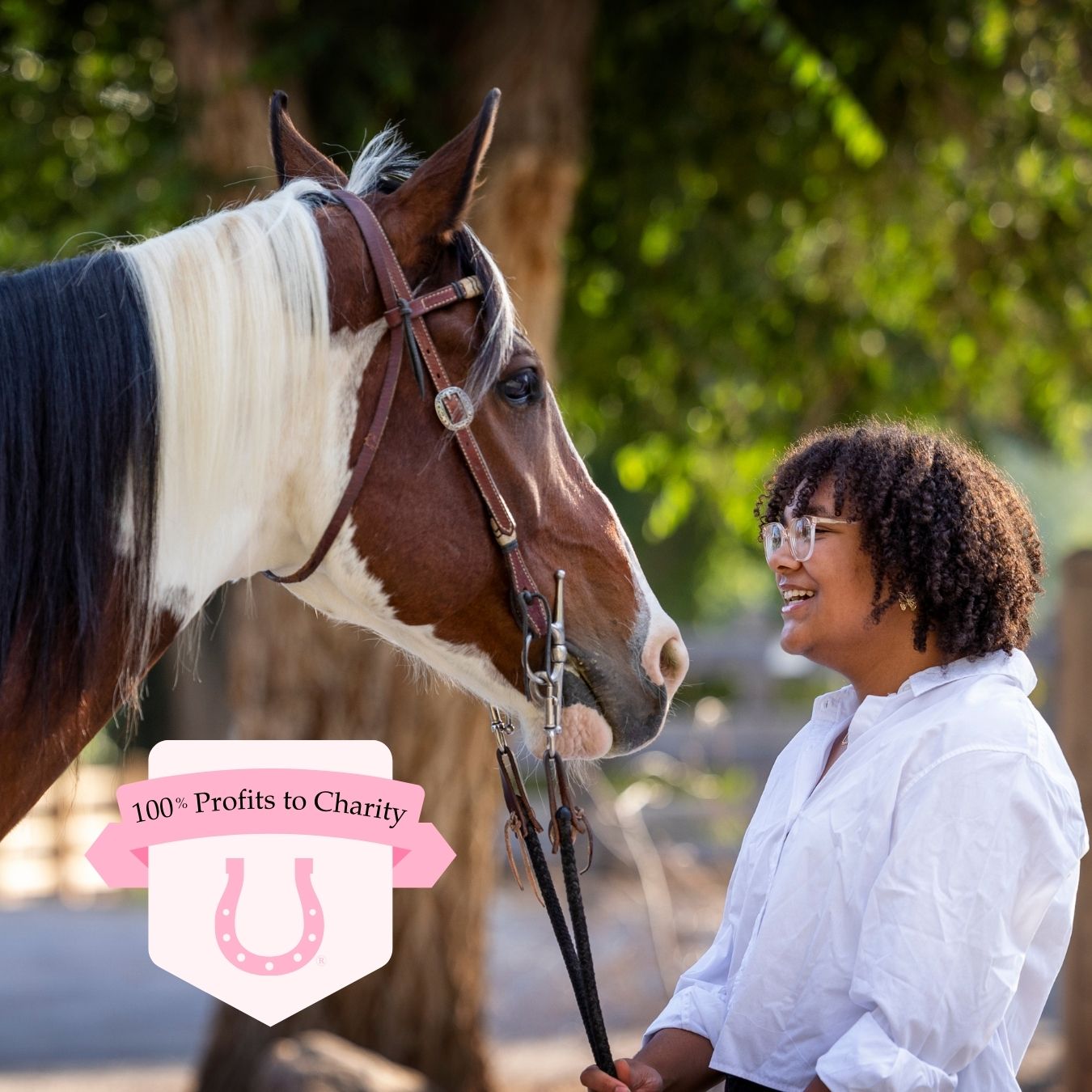
The mission behind the shop is what makes that especially meaningful. According to the publisher information provided for this article, 100% of profits support the Bridle Up Hope foundation, which serves girls and women through horses and habits. That makes a frame feel like more than a decorative purchase. It becomes part of a larger act of care.
A good gift should feel useful, personal, and lasting. Horse photo frames do that well when you choose them with the memory in mind.
If you're ready to turn a favorite horse photo into something you can see and enjoy every day, browse the Bridle Up Hope Shop for equestrian gifts and home décor that also support hope and healing through the Bridle Up Hope foundation.
Deje un comentario