


You're probably here because you've seen a rider walk by in tall boots, a fitted jacket, or a perfect Western belt and thought, “Why does that look so good, and how do I wear it without looking like I'm headed straight to the barn?”
That's the sweet spot of equestrian style clothing. It has polish, purpose, and heart. It comes from real work, real sport, and a real love of horses. When you build it into an everyday wardrobe, you're not just copying a look. You're wearing pieces shaped by tradition, movement, and the kind of confidence that comes from time spent around horses.
I love this world because it welcomes both sides of equestrian style. English looks bring structure and refinement. Western looks bring grit, ease, and character. In real life, individuals often don't live at only one end of that spectrum. They want clothing that feels authentic, wearable, and connected to the joy horses bring.
Table of Contents
- What Is Equestrian Style Clothing
- English Versus Western Riding Styles
- Essential Equestrian Wardrobe Pieces
- How to Wear Equestrian Pieces Beyond the Barn
- A Buyer's Guide to Fit and Fabric Care
- Gifts for Horse Lovers With a Purpose
What Is Equestrian Style Clothing
Equestrian style clothing is fashion shaped by horseback riding. It stems from garments designed to help riders sit well, move safely, stay comfortable outdoors, and look put together in a formal sporting tradition.
That practical beginning is what makes the style so lasting. A quilted vest isn't just cute. It comes from the need for warmth without bulky sleeves. A fitted jacket isn't only elegant. It reflects the long history of well-cut riding clothes that had to work in motion. Boots, structured shirts, sturdy belts, wool layers, and technical breeches all started with a job to do.
Its roots are ancient. The history of riding apparel reaches back to about 1900 BC, and by the 17th century the women's riding habit had become a distinct costume. By the second decade of the 19th century, female dressmakers were designing these garments, showing how significantly equestrian dress had already developed as its own category of clothing (history of equestrian fashion).
Two style families
Equestrian style is often encountered through one of two aesthetics:
- English style leans structured, refined, and traditional. Think fitted blazers, crisp shirts, slim trousers, tall boots, and a neat, polished finish.
- Western style leans rugged, expressive, and grounded. Think denim, leather, cowboy boots, snap-front shirts, statement belts, and practical layers with personality.
Neither one is more “real” than the other. They come from different riding cultures and different kinds of work with horses.
Practical rule: If a piece looks good because it's useful first and stylish second, it probably belongs in the equestrian family.
That's also why equestrian style clothing doesn't feel like a passing costume trend. It carries history, but it still makes sense today. You can wear one equestrian piece with modern basics and get a look that feels strong, calm, and intentional.
English Versus Western Riding Styles
The easiest way to understand equestrian style is to separate the English and Western branches. They share a horse-centered heritage, but they speak very different style languages.
The category itself is far from tiny. One market report valued the global equestrian apparel market at USD 6.6 billion in 2024 and projected growth of over 5.5% annually from 2025 to 2034, with female riders making up the largest consumer share and demand shaped by participation in the sport plus interest in performance fabrics such as moisture-wicking and breathable materials (global equestrian apparel market analysis).

The English look
English style is about restraint. The lines are cleaner, the fit is closer, and the impression is polished. Even casual English-inspired outfits usually look tidy.
You'll notice a few recurring elements:
- Fitted jackets that skim the body rather than hang loose
- Tall boots or paddock boots with a sleek silhouette
- Breeches or slim trousers that keep the line long and smooth
- Crisp shirts and knits in classic, understated colors
- Quilted layers that feel sporty without looking bulky
This is the side of equestrian dressing that often overlaps with countryside style, prep, and classic sportswear. It works beautifully for commuting, lunch, travel, or smart-casual offices because it already has structure built in.
The Western look
Western style starts in utility too, but it feels more relaxed and expressive. It has more texture, more visible hardware, and more room for personality.
Common markers include:
- Denim in sturdy, easy-wearing cuts
- Cowboy boots with shape, stitch detail, and attitude
- Leather belts that read as part accessory, part identity
- Snap shirts or work shirts with a practical feel
- Fringe, suede, conchos, and hats used with varying levels of boldness
Western dressing doesn't have to mean full rodeo. In everyday life, it can be as simple as straight-leg jeans, a clean white shirt, a leather belt, and a good pair of boots.
| Element | English Style | Western Style |
|---|---|---|
| Overall mood | Polished and tailored | Rugged and expressive |
| Key footwear | Tall boots, paddock boots | Cowboy boots |
| Typical layers | Blazers, quilted vests, fitted knits | Denim jackets, suede, leather, work shirts |
| Bottoms | Breeches, slim trousers, fitted pants | Jeans, bootcut trousers, denim |
| Finish | Neat and understated | Relaxed with visible character |
The difference isn't only about clothes. English style usually says precision and formality. Western style usually says independence and durability.
If you're deciding which direction fits you, ask yourself one question: do you want your outfit to feel cleaner and sharper, or warmer and more lived-in? That answer usually points you toward English or Western first. After that, you can mix them in a way that feels personal.
Essential Equestrian Wardrobe Pieces
A strong equestrian wardrobe doesn't need to be huge. It needs the right anchors. Start with pieces that have clear shape, sturdy materials, and enough versatility that you can wear them with clothes you already own.

Start with the pieces that do the most work
Think in categories rather than chasing a full look all at once.
-
Tops
For English dressing, a fitted button-down, fine knit, or tidy quarter-zip gives you that stable-to-street feel. For Western dressing, a chambray shirt, pearl-snap top, or simple graphic horse tee keeps things grounded and easy. - Outerwear English wardrobes shine with quilted vests, fitted blazers, and trim jackets. Western wardrobes do well with denim jackets, suede layers, or a sturdy overshirt that works over basics.
-
Bottoms
Slim trousers, breeches-inspired pants, and dark denim all carry an equestrian line well. Western style can handle straighter or boot-friendly shapes more naturally, while English style usually looks best with a cleaner leg. -
Footwear
This is often the make-or-break category. Tall riding-inspired boots, paddock boots, and sleek leather ankle boots support English looks. Cowboy boots anchor Western outfits immediately and can add character even to simple clothing. -
Accessories
A leather belt, silk scarf, understated horsebit detail, or a practical crossbody can finish the outfit without making it feel themed.
If you want to browse riding-focused apparel as a starting point, one example is the women's riding attire collection, which centers on horse-inspired clothing rather than generic basics.
Why quality matters more here
Equestrian pieces tend to ask more of construction than ordinary casual clothes. They need to move, hold shape, and often handle weather, friction, or repeated wear. That's one reason authentic pieces can feel more substantial in the hand.
A custom equestrian manufacturing guide notes sample costs of $120 to $200 for breeches and $200 to $350 for fitted riding jackets, with lead times of 4 to 6 weeks and 6 to 8 weeks respectively. It also notes minimums of 50 to 100 pieces for more complex garments such as jackets and 100 to 500 pieces for simpler items (custom equestrian clothing production guide).
That doesn't mean every equestrian-inspired item has to be expensive. It does mean you should look closely at:
- Seams and structure. A jacket should hold its line without puckering.
- Fabric recovery. Stretch fabrics should bounce back rather than bag out.
- Boot leather and finish. Good boots improve with wear. Cheap ones often crease badly and lose shape fast.
Buy fewer horse-style pieces, but make them count. One excellent pair of boots will do more for your wardrobe than five novelty items.
A smart starter closet might be one fitted shirt, one layering vest or jacket, one pair of excellent boots, one belt, and one bottom that balances the silhouette you like best.
How to Wear Equestrian Pieces Beyond the Barn
A common challenge for enthusiasts of equestrian style clothing is avoiding the appearance of having just dismounted from a lesson. That's a real concern, and it's part of why shoppers keep looking for better guidance on wearing heritage equestrian pieces in everyday settings such as commuting or casual dressing (everyday equestrian trend guidance).

Keep one piece horsey, not the whole outfit
The secret is balance. Choose one clear equestrian signal, maybe boots, a quilted vest, a structured jacket, or a Western belt, then let the rest of the outfit stay modern and simple.
That keeps the look inspired rather than theatrical. It also makes the horse connection feel more personal. You're wearing your passion. You're not dressing for a costume party.
A dress can do this beautifully too. A horse-print piece styled with plain boots and a clean bag feels charming and wearable. For example, a vintage horse toile printed summer midi dress can read polished for lunch, travel, or a casual event when the rest of the styling stays restrained.
Three outfit formulas that work
Here are three combinations I come back to again and again.
1. The polished work look
Start with a fitted blazer or structured knit jacket. Add slim ankle trousers or dark straight-leg pants. Finish with paddock boots or sleek knee-high boots.
Why it works: the silhouette nods to English tailoring, but the office-friendly separates keep it current. If you add a silk scarf, keep the jewelry quiet.
A good everyday equestrian outfit should still make sense if no one knows you ride.
2. The relaxed weekend look
Choose a cozy sweater, a quilted vest, and well-cut jeans. Add ankle boots for an English-country feel or cowboy boots for a Western turn.
Why it works: the vest brings equestrian DNA, but denim makes the outfit approachable. This is the formula I suggest for errands, fall markets, coffee runs, and sideline spectating.
To see how movement and proportion play into these outfits, this quick styling video is useful:
3. The soft Western city look
Take a simple blouse or knit tank, tuck it into straight-leg jeans or a midi skirt, and add cowboy boots plus a strong belt. Keep the color palette calm so the boots carry the personality.
Why it works: Western pieces can overwhelm an outfit when everything competes. If your boots have stitch detail or shape, let them lead and keep the rest of the clothing clean.
Small details that keep the look modern
- Watch proportion. Tall boots need slimmer bottoms or shorter hemlines to avoid heaviness.
- Edit the horse motifs. One horse-print or horsebit element is enough.
- Mix old and new. Pair heritage textures like leather, wool, or quilting with contemporary denim, tees, or minimal bags.
If an outfit feels too costume-like, remove one obvious riding element. Usually that fixes it immediately.
A Buyer's Guide to Fit and Fabric Care
Equestrian clothing only looks elegant when it fits correctly. Too tight, and it feels fussy. Too loose, and you lose the clean, capable line that makes the style so appealing.
Fit rules that make a difference
For breeches or riding-inspired pants, aim for a close fit without pinching. You want support through the seat and thigh, but you should still be able to walk, sit, and bend comfortably. If the fabric wrinkles heavily behind the knee or slides at the waist, the fit is off.
For jackets, check the shoulder first. If the shoulder line is wrong, nothing else will sit well. A good equestrian-style jacket should skim the body, layer over a shirt or light knit, and button without strain.
Boots confuse people most, especially tall ones. They should feel structured at first, not floppy. Leather often softens with wear, so don't judge the final fit by the first minute you try them on. At the same time, pain isn't a break-in strategy. Pressure points usually stay pressure points.
Buying check: Walk, sit, and stand in every key piece. Equestrian style comes from movement. If the garment only works while you're standing still, it's the wrong piece.
Simple fabric care habits
These clothes last longer when you treat materials according to what they are.
- Leather needs regular wiping and occasional conditioning. Keep it away from direct heat when wet.
- Suede should be brushed gently and protected from deep saturation whenever possible.
- Wool benefits from airing out between wears. It often needs less washing than people think.
- Technical fabrics usually prefer cool washing and low heat. Fabric softener can interfere with performance finishes.
Store structured jackets on proper hangers. Let boots dry before putting them away. Fold heavy knits so the shoulders don't stretch.
The reward for basic care is simple. Your clothes keep their shape, your boots age better, and your equestrian style clothing stays handsome season after season.
Gifts for Horse Lovers With a Purpose
Horse lovers usually don't want random gifts. They want something that reflects the life they care about. That might be something useful to wear, something beautiful for home, or something that reminds them of the confidence and calm horses bring.
A thoughtful equestrian gift works on two levels. It celebrates a real passion, and it says, “I see this part of you.” That's why horse-themed apparel, jewelry, books, and home pieces tend to mean more than generic presents.

If you want gift ideas that match different ages and tastes, this roundup of unique gifts for horse lovers is a helpful place to start.
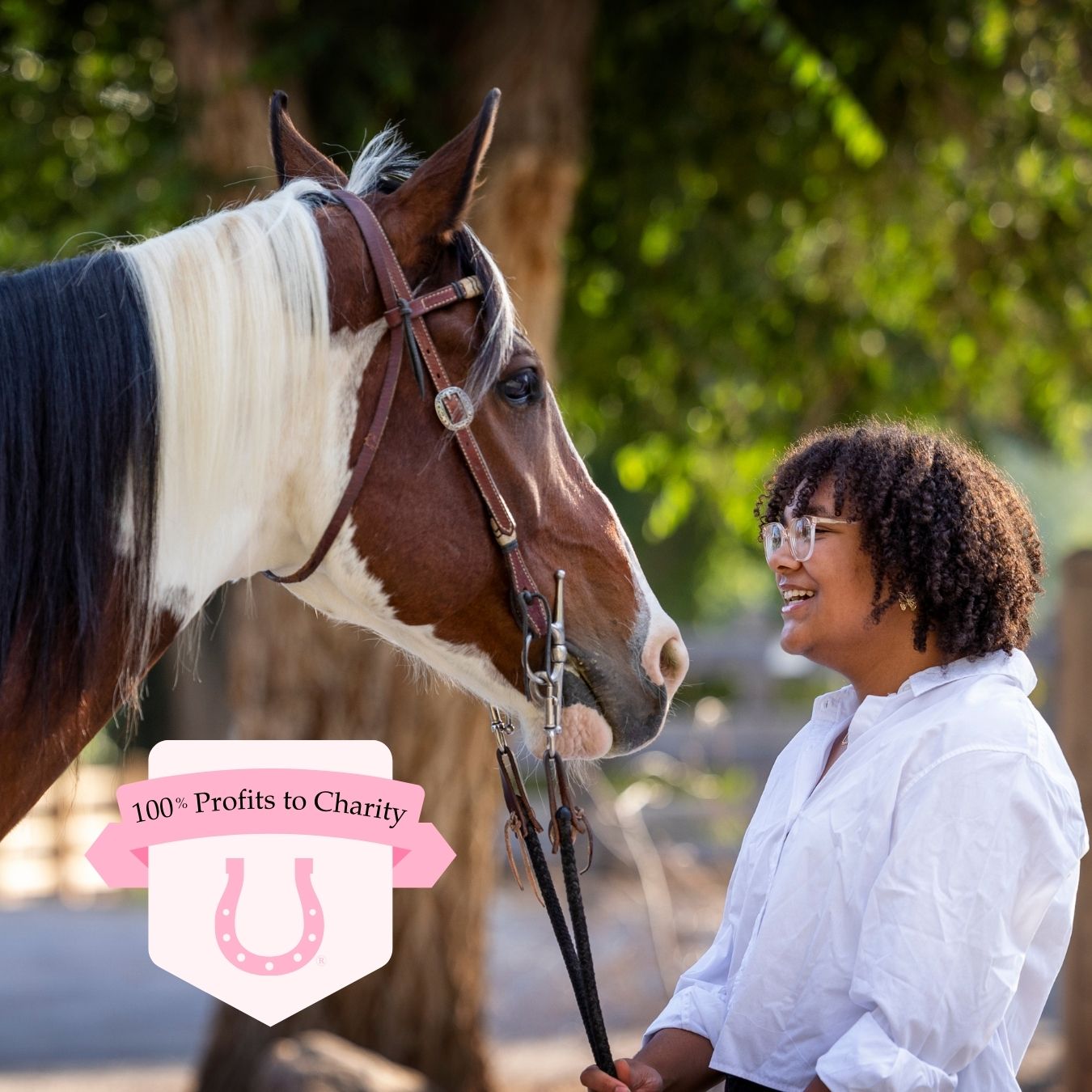
Here's why purpose matters too. When equestrian style connects back to the horse world in a meaningful way, the purchase feels deeper than fashion alone. Bridle Up Hope's mission is centered on changing the lives of girls and women through horses and habits, and the shop donates 100% of its profits to that foundation. That makes a horse-themed gift feel like more than an object. It becomes part of a larger act of care.
A good gift might be a wearable piece with English polish, a Western-inspired accessory with character, a book that encourages learning, or something horse-themed for the home that keeps the spirit of the barn close by.
If you'd like your purchase to celebrate horses and support a meaningful cause, browse the Bridle Up Hope Shop for equestrian-inspired apparel, gifts, and home pieces that give back with every order.
Deje un comentario